
The 14th Asian Business Summit (ABS) was hosted by the Philippines-Japan Economic Cooperation Committee (PHILJEC) with the Japan Business Federation (KEIDANREN) from 3-4 July 2025 at Grand Hyatt Manila, Philippines with 12 Asian economic organisations from countries in Asia in attendance. The 14th ABS was organised with the theme, “Towards Strengthening Asian Economic Cooperation in Challenging Times”.
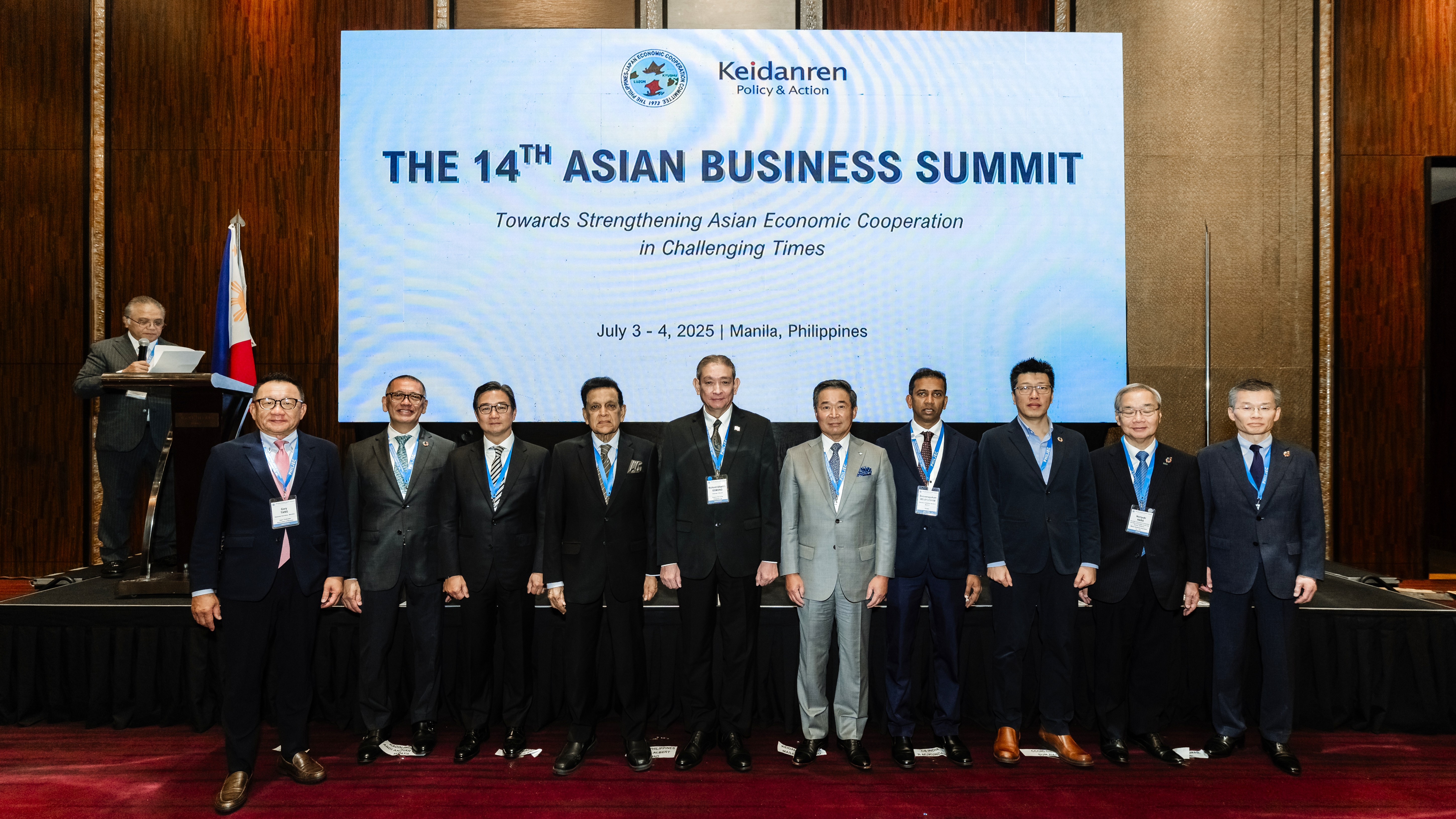
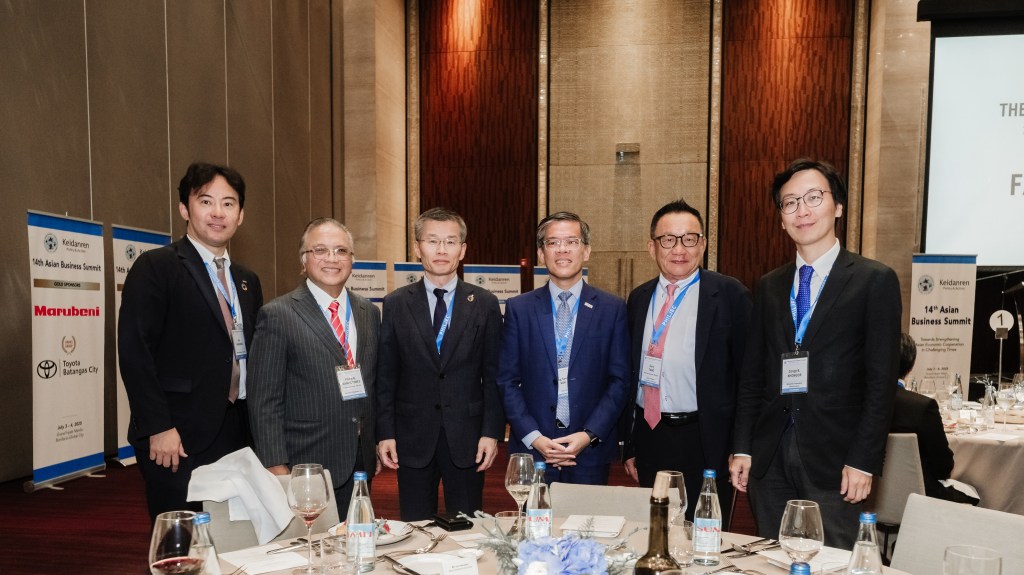
The Malaysian delegation with Mr Richard Albert I. Osmond (5th from left), Chairman, PHILJEC and Mr Masayuki Hyodo (5th from right), Vice-Chairman, KEIDANREN & Chairman of the Board of Directors, Sumitomo Corporation.
Malaysia’s delegation (pic above refers) was led by Datuk Seri Mohamed Iqbal (4th from left), Vice-President, MAJECA. The Malaysian delegation comprise Mr Gary Tang (leftmost), Hon. Secretary, MAJECA, Mr Sivavenayakam Velayutham (4th from right), EXCO, MAJECA and Mr Kong Kok King (3rd from right), Member, MAJECA.
The 14th Asian Business Summit Joint Statement
(via: https://www.keidanren.or.jp/en/policy/2025/046.html) is quoted below:
Today, the world is becoming increasingly divided and global tensions are rising. The recent restrictive trade measures are exacerbating this trend. These are undermining international cooperation significantly and casting a shadow over the future of the Asian economy, with the International Monetary Fund (IMF) forecasting a 0.6% decline[#1] in Asia’s economic growth rate in 2025.
Against this backdrop, the 14th Asian Business Summit was held today in Manila, Philippines. We, the 12 economic organizations, gathered at the summit agreed that now is the time for Asian countries and regions to stand against unilateralism and protectionism and cooperate to achieve sustainable growth through the further expansion of trade and investment within the region, acceleration of investment and innovation in various fields including green initiatives, and promotion of the development and exchange of human resources that will drive value creation.
Specifically, we will address the following four issues.
| [#1] The forecast for January 17th, which did not take into account the Trump administration’s policies, was 5.1%, but the forecast for April 22nd (reference forecast), which assumed tariff measures as of April 4th, was revised downward to 4.5%. |
1. Maintaining and strengthening the rules-based, free and open international economic order
To further expand trade and investment within Asia, it is important to expand and deepen plurilateral and bilateral economic partnership agreements (EPAs) and free trade agreements (FTAs). These agreements will play vital roles in enhancing business predictability and economic resilience. The 12 economies that make up this summit account for 30% of the global trade volume in 2024, and the expansion and deepening of EPAs and FTAs in this region will contribute to maintaining and strengthening the rules-based, free and open international economic order.
Regarding the Regional Comprehensive Economic Partnership (RCEP), steady, transparent and high-quality implementation of the agreement must be ensured. As for the tariff reduction, expansion of coverage and acceleration of the reduction schedule are required. In terms of rules, provisions addressing such as prevention of trade distortive measures and investor-state dispute settlement (ISDS) should be incorporated.
We should promote and assist with the accession to the Comprehensive and Progressive Agreement for Trans-Pacific Partnership (CPTPP) of economies deemed capable of implementing the high standards of market access and rules set forth in the Agreement based on the three principles[#2], while endeavoring to further enhance the current rules.
A possible China-Japan-Korea FTA should aim for a level of discipline that significantly exceeds that of the RCEP in terms of both trade and investment liberalization and rules.
In parallel with these efforts, the World Trade Organization (WTO), which marks its 30th anniversary this year, must be reformed to promote free trade on a global scale. We recognize the importance of maintaining and strengthening the multilateral trading system with the WTO at its core in providing predictability for businesses and supporting sustainable economic growth. To this end, we call on the WTO to be more responsive to current and future trade challenges. More specifically, the WTO must not only restore its functions through the recovery of its dispute settlement mechanism, but also revise the consensus-based decision-making process. In addition, we call for the earliest incorporation of the Agreement on Investment Facilitation for Development and the Agreement on Electronic Commerce into the WTO legal framework.
| [#2] Decisions on accession are made based on the following criteria: (1) preparedness to meet the Agreement’s high standard; (2) a demonstrated pattern of complying with trade commitments; and (3) recognition that decisions are dependent on the consensus of Parties (Auckland Principles). |
2. Promoting Green Transformation through Diverse Pathways
CO2 emissions are expected to increase as energy demand further expands with digital transformation and the development of AI. We must address the difficult issues of securing a stable supply of affordable energy while achieving carbon neutrality.
Asia is highly dependent on fossil fuels, and it is difficult to transition to renewable energy overnight due to geographical and geopolitical constraints. Therefore, it is necessary to promote initiatives allowing for diverse pathways that take into account the circumstances of each country and region. These initiatives include increasing the efficiency of existing thermal power generation by co-combustion of ammonia and hydrogen, utilizing LNG and biofuels, and promoting carbon capture, utilization and storage (CCUS) technologies. These should be clearly reflected in each economy’s master plan towards green transformation (GX).
Under the Asia Zero Emissions Community (AZEC), a cooperative framework for the realization of a decarbonized society in Asia, not only individual projects but also policy and institutional coordination should be promoted. The establishment of an emissions data linkage platform would contribute to these initiatives.
As natural disasters, including floods and landslides, become more severe and frequent in Asia, it is important to promote knowledge and technology sharing related to disaster prevention as a means of adapting to climate change.
3. Creating Innovation by developing AI and Start-ups
Innovation plays a major role in solving social issues such as population decline due to low birthrate and the aging population, thereby achieving sustainable economic growth. It is necessary to promote collaboration and cooperation for creating Innovative Asia.
Today, since the use of generative AI is contributing to productivity enhancement and innovation, it is necessary to build a society in which AI can be utilized in a wide range of sectors. Under the principle of “human-centered AI,” adequate discipline should be required in the use of AI, which affects human life, human rights, and social situations, etc. However, excessive restrictions should not be imposed. Striking a balance between realizing innovation and mitigating risk is the key.
Accumulating and analyzing huge amounts of data is essential for advancing AI. From the viewpoint of promoting DFFT “Data Free Flow with Trust”, we call for the development of internationally interoperable rules and a permanent moratorium on customs duties on electronic transmissions. Meanwhile, with the increasing threat of cyber-attacks, it is necessary to work on the creation of safe and secure cyberspace.
Start-ups are playing an increasingly important role in creating innovation. The governments of each economy should promote efforts to build a start-up ecosystem in the region by easing investment regulations, simplifying administrative procedures, and creating a business environment with preferential tax treatment.
4. Building Regional Strength through Human Resources Development
With a view to raising regional competitiveness, it is essential to develop human resources which can make our region self-reliant. It is necessary to create an environment throughout Asia where diverse human resources, including women and minorities, can further interact, compete, and co-create to be innovative.
To this end, respective governments should strive to design human resource exchange programs in collaboration with world-class universities in Asia, develop education models to strengthen technical skills, and provide skilled persons with opportunities to adapt to culture and lifestyle where they live. In addition, they should be encouraged to relax residency requirements of skilled persons and their dependents, promote mutual recognition of licenses and qualifications, and conclude social security agreements.
We, the business community of Asia, will strengthen coordination and cooperation among the economic organizations of each country and region, and call on each government to make concerted efforts to realize the above in order to realize a strongly growing Asia as a global economic leader.
• • Courtesy Call on President Ferdinand R. Marcos, Jr. at Malacañang Palace on 3 July 2025
On 3 July 2025, a Courtesy Call by the heads of delegation to the ABS on President Ferdinand R. Marcos, Jr. was held at Malacañang Palace. Datuk Seri Mohamed Iqbal, Vice-President, MAJECA as Head of the Malaysian delegation was in participation.
Also present at the courtesy call were PHILJEC Chairman Mr Richard Albert I. Osmond, PHILJEC Co-Chairman, Mr Alfred V. Ty, Chairman of Toyota Motor Philippines Corporation; PHILJEC Co-Chairman, Mr Ferdinand A. Ferrer, CEO of Gruppo EMS Inc.; Mr Nobuhiro ENDO, Keidanren Vice Chairman and Executive Advisor of NEC Corporation; and Mr Masayuki HYODO, Keidanren Vice chairman and Chairman of the Board of Directors of Sumitomo Corporation.
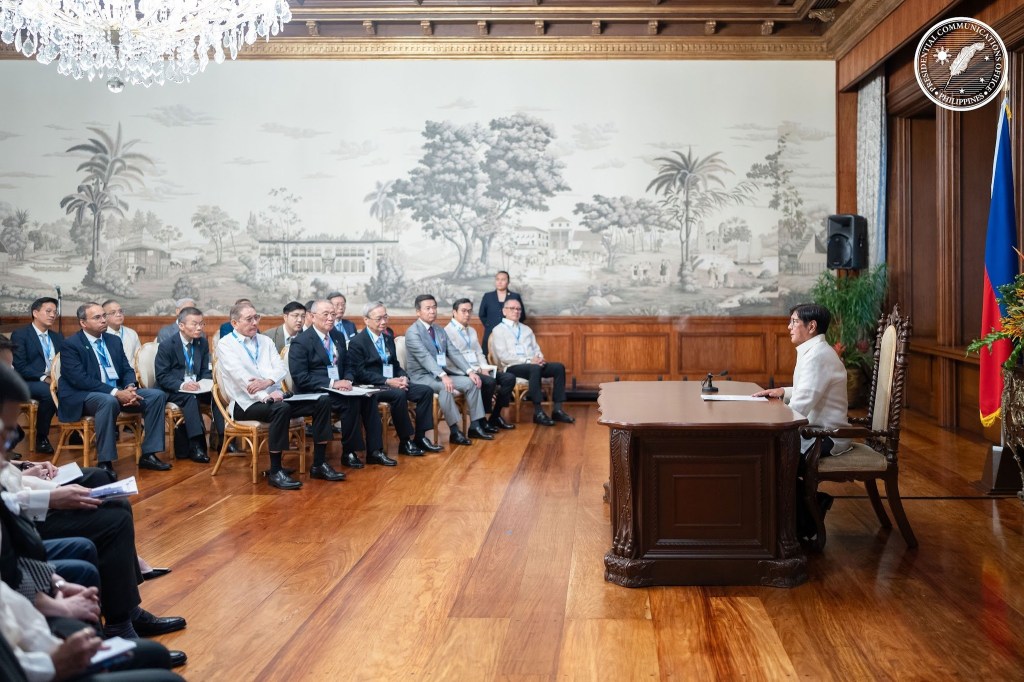
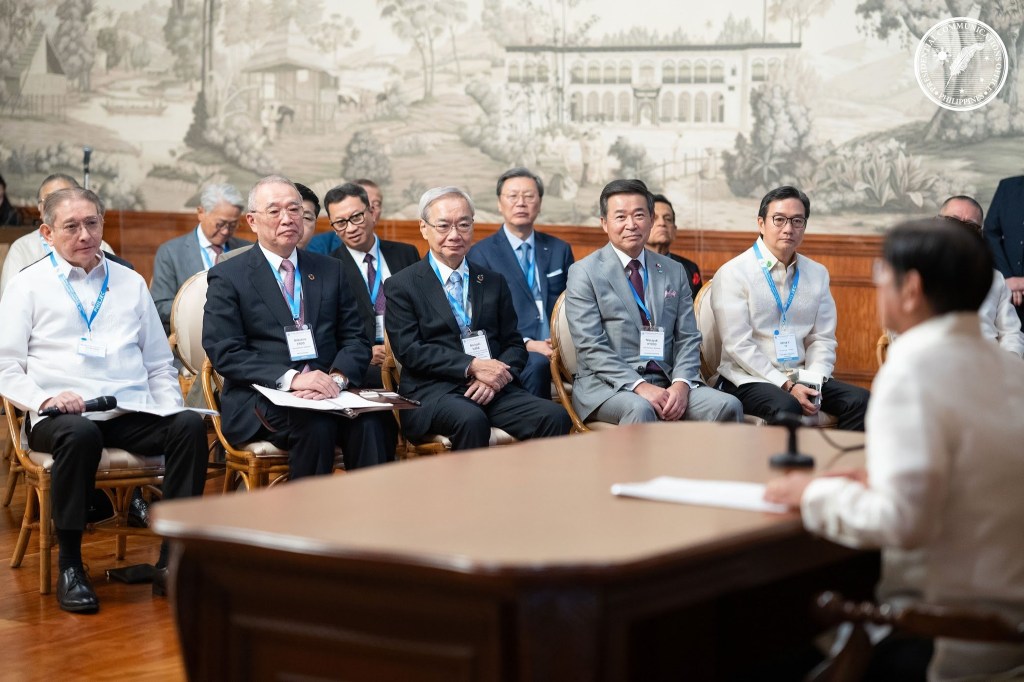

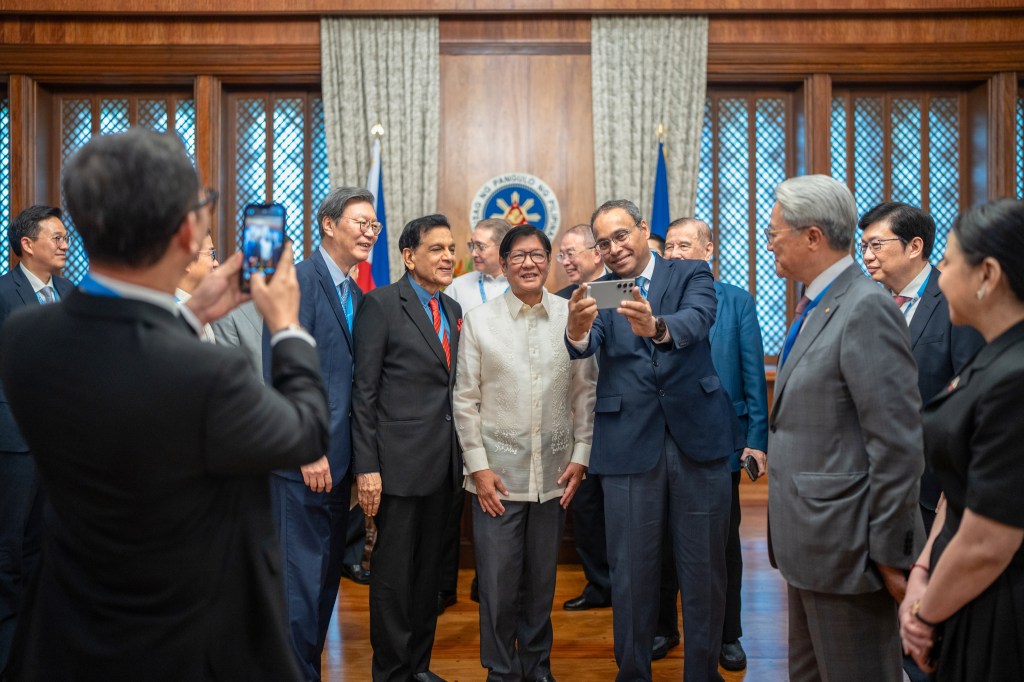
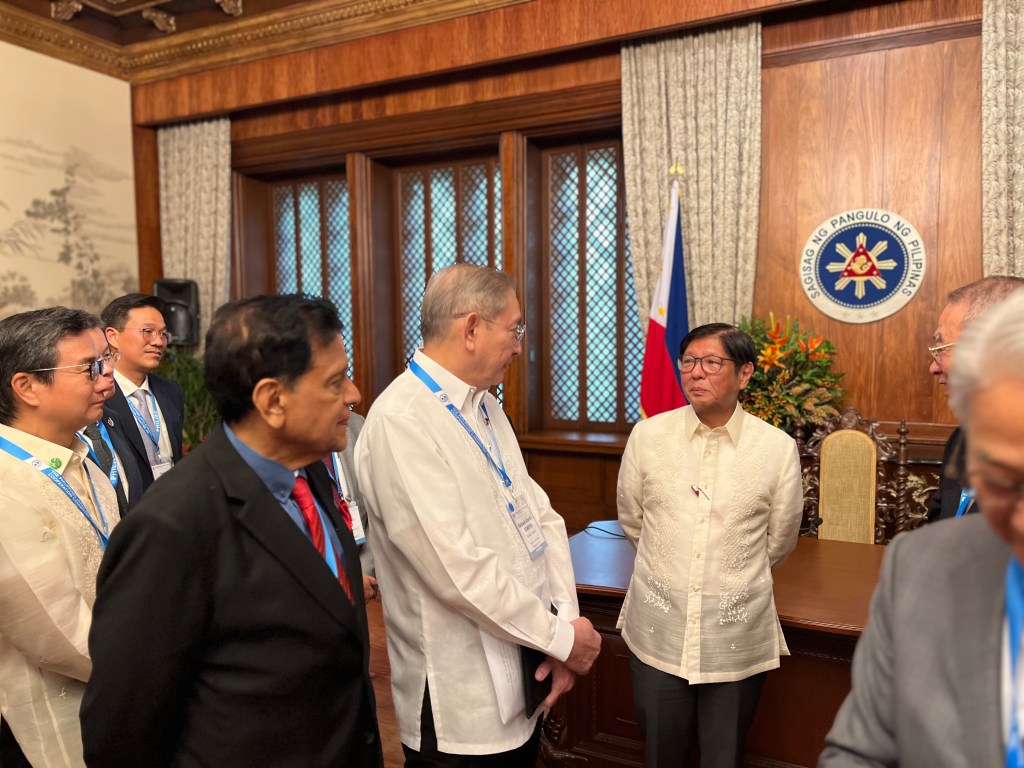
• The News Release by the President Communications Office of the Office of the President of the Philippines can be read here: https://pco.gov.ph/news_releases/pbbm-welcomes-asian-business-leaders-for-14th-asian-business-summit/.
• The video of the Courtesy Call by the Presidential Broadcast Staff – Radio Television Malacañang can be viewed here: https://www.youtube.com/watch?v=36nQPPukS_w.
• 14th Asian Business Summit on 4 July 2025 at Grand Hyatt Manila
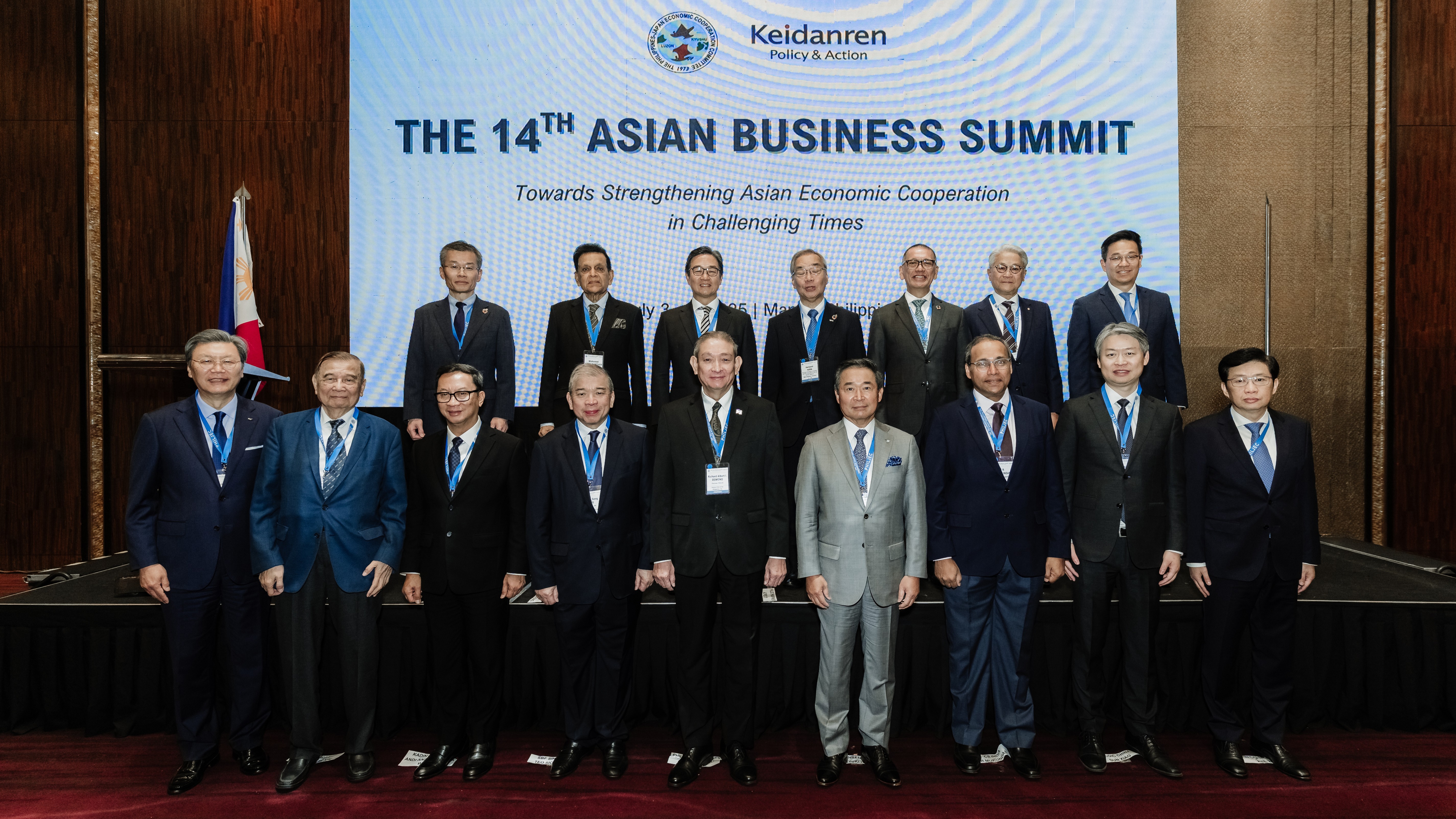
Group photo of the ABS leaders and heads of delegations.
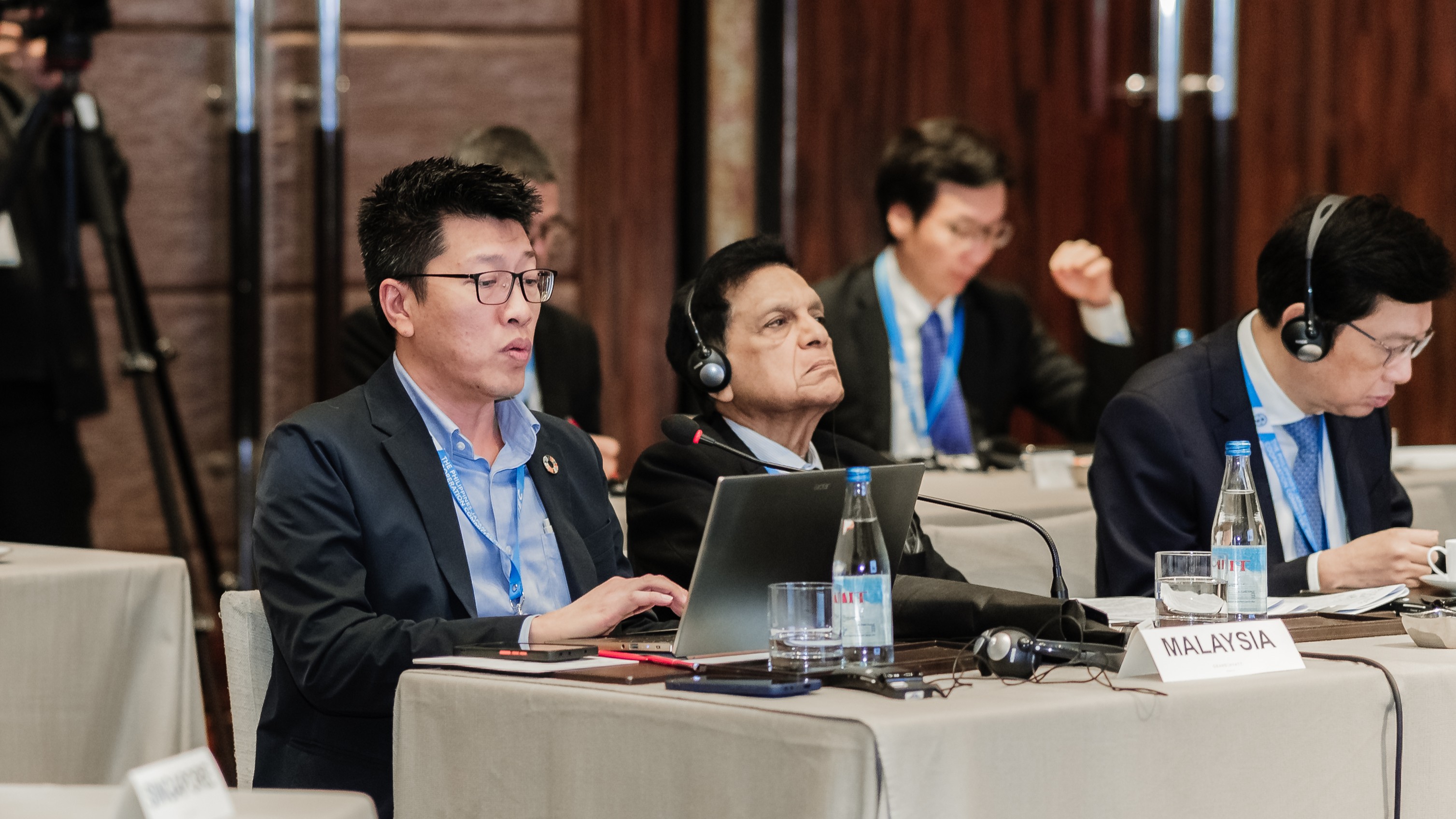
Mr Kong Kok King, Managing Director, MAQO Solar Malaysia & Member, MAJECA delivered a presentation at the Third Plenary Session titled Innovation and Green Transition.
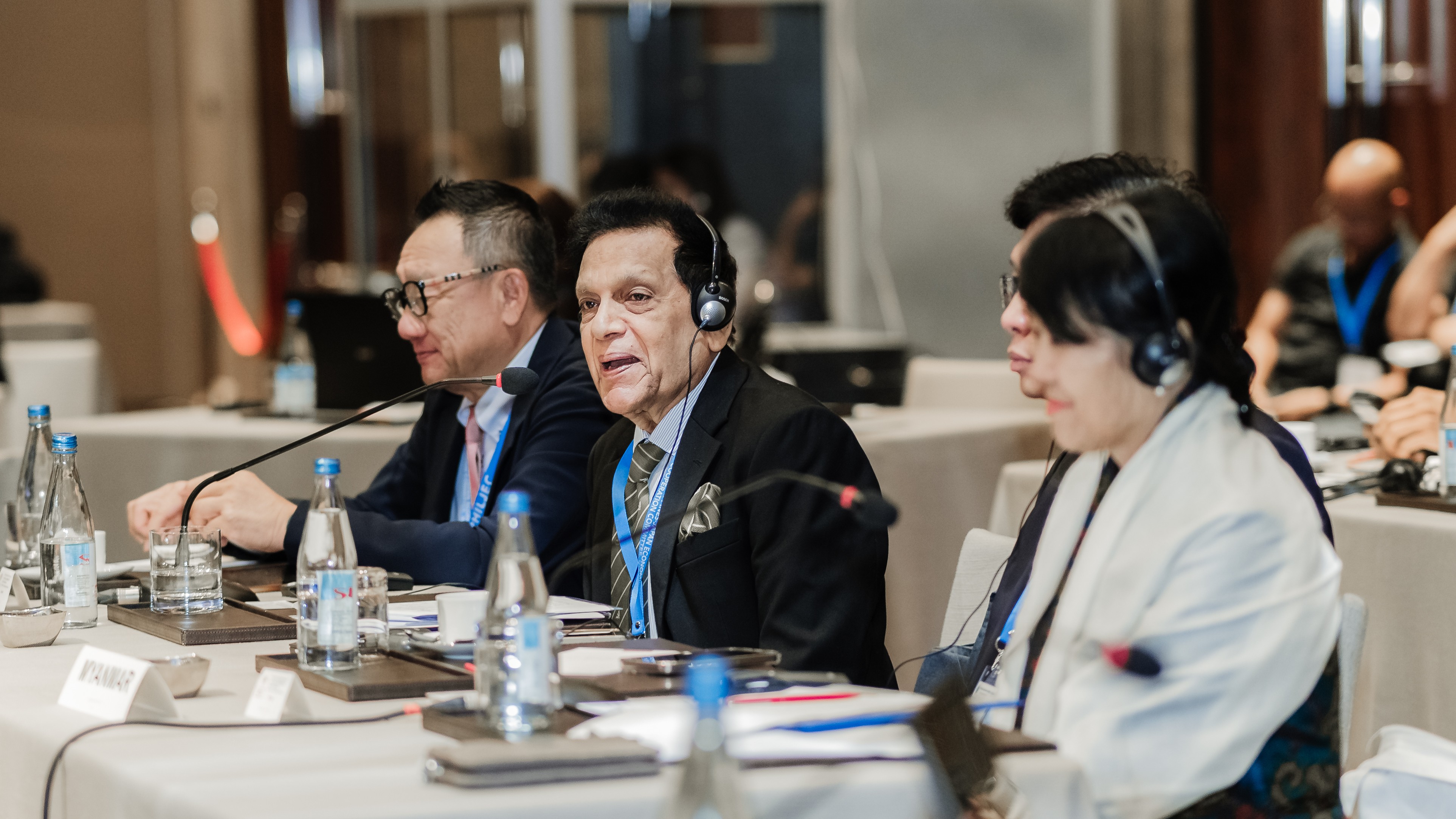
Datuk Seri Mohamed Iqbal, Vice-President, MAJECA spoke at the Fourth Plenary Session titled Development and Mobility of Human Resources.
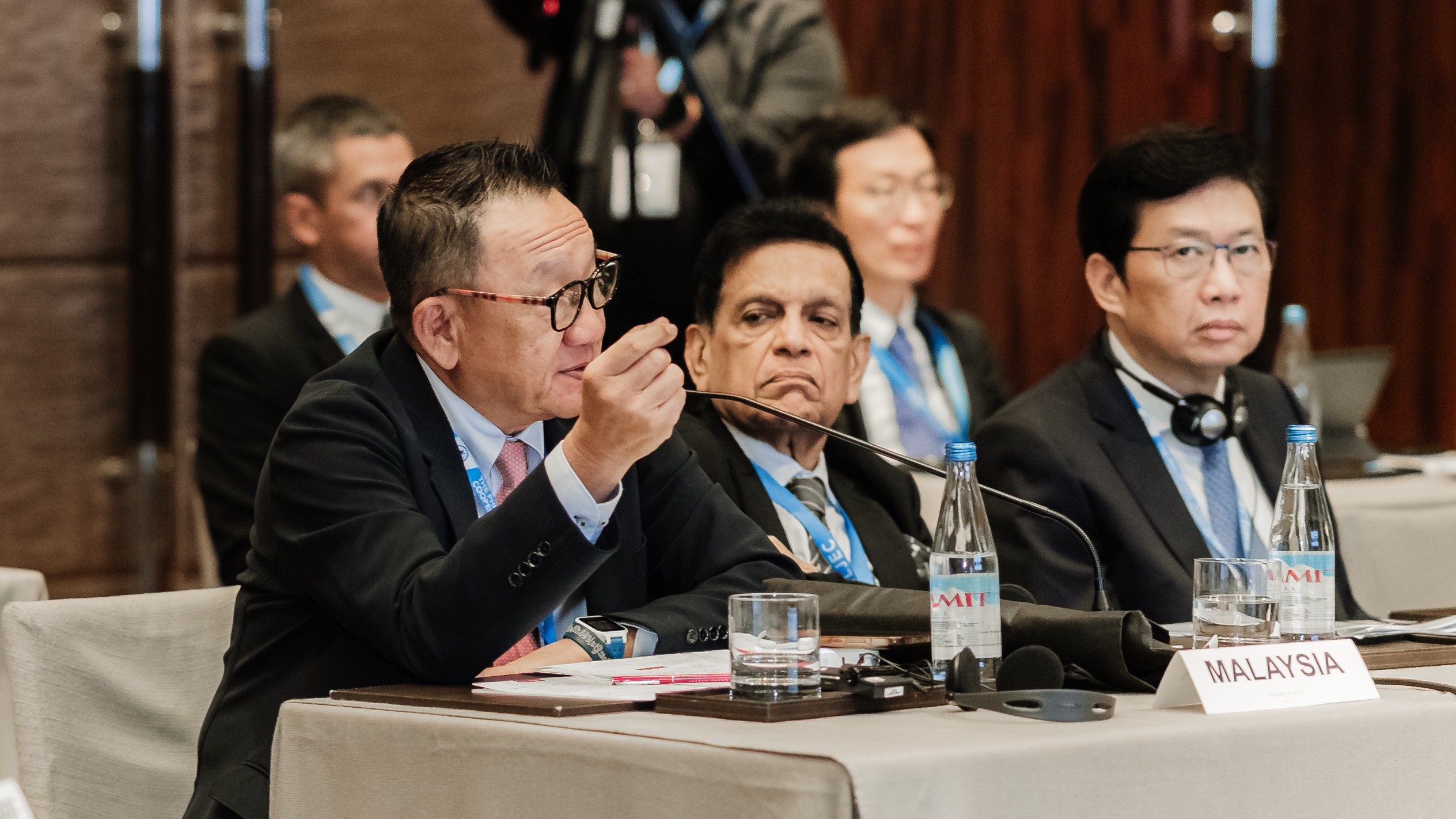
Mr Gary Tang, Hon. Secretary, MAJECA giving his comments.
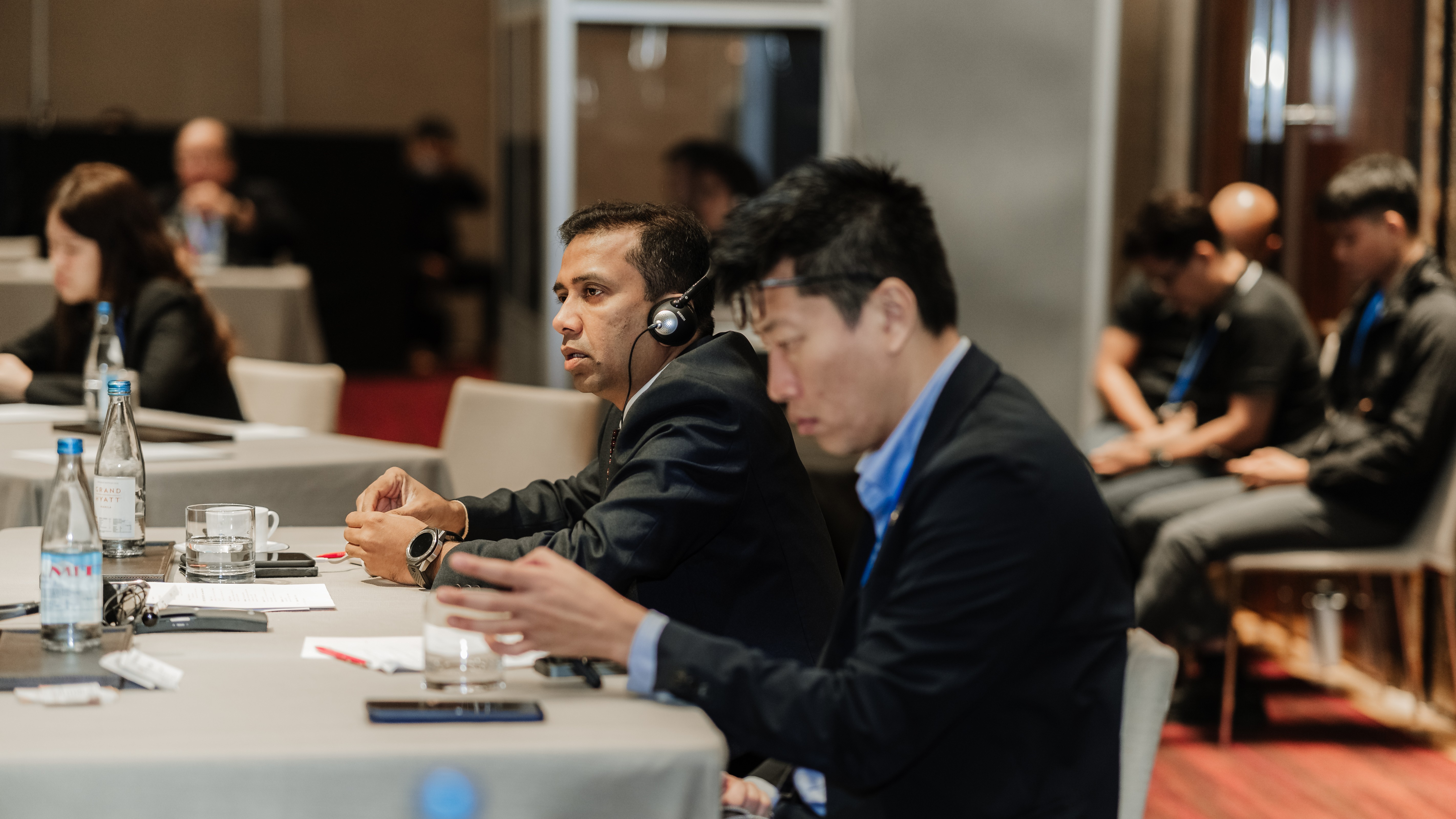
Mr Sivavenayakam Velayutham, EXCO, MAJECA and Mr Kong Kok King, Member, MAJECA.
Photo Gallery:

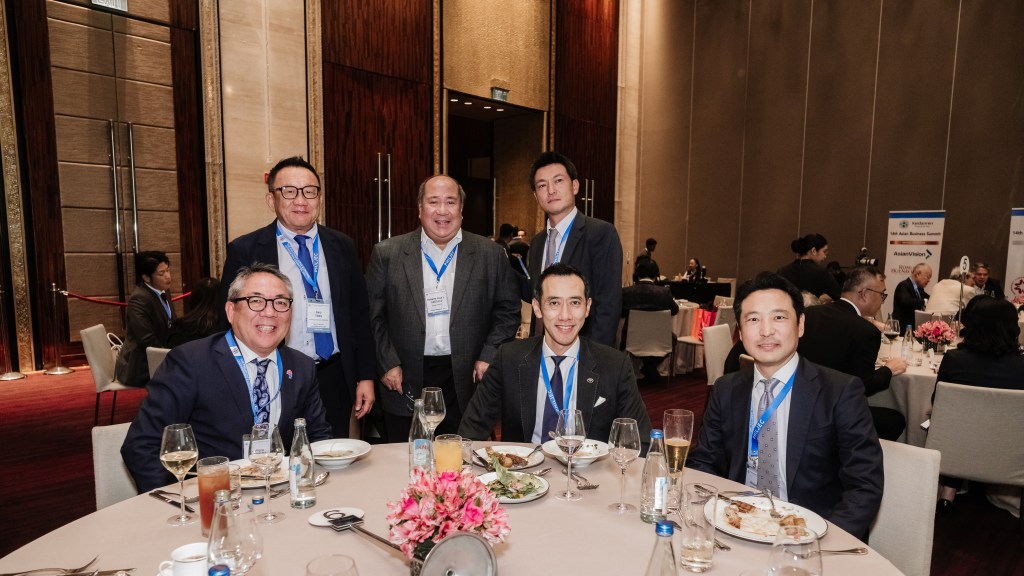
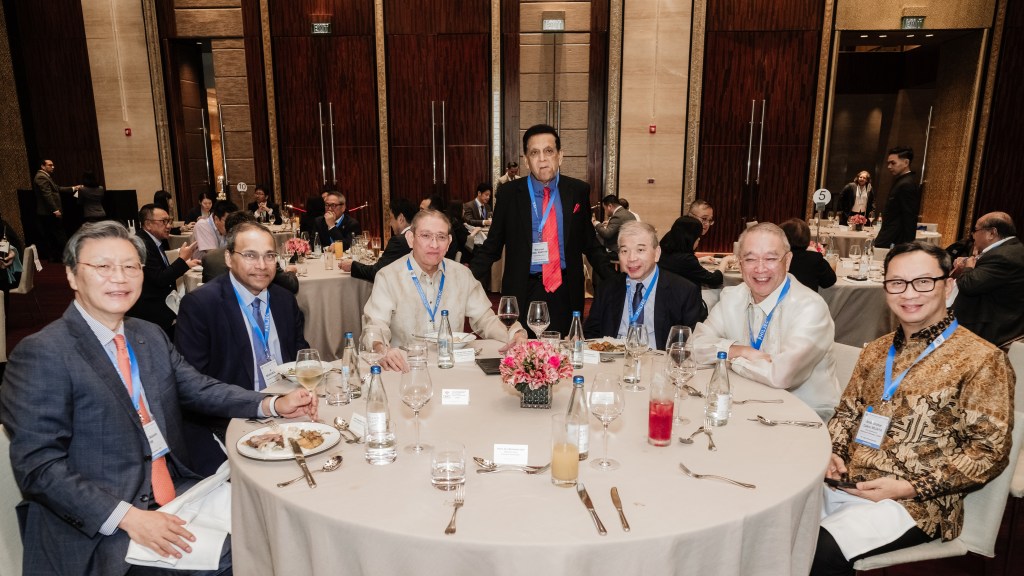



 MAJECA