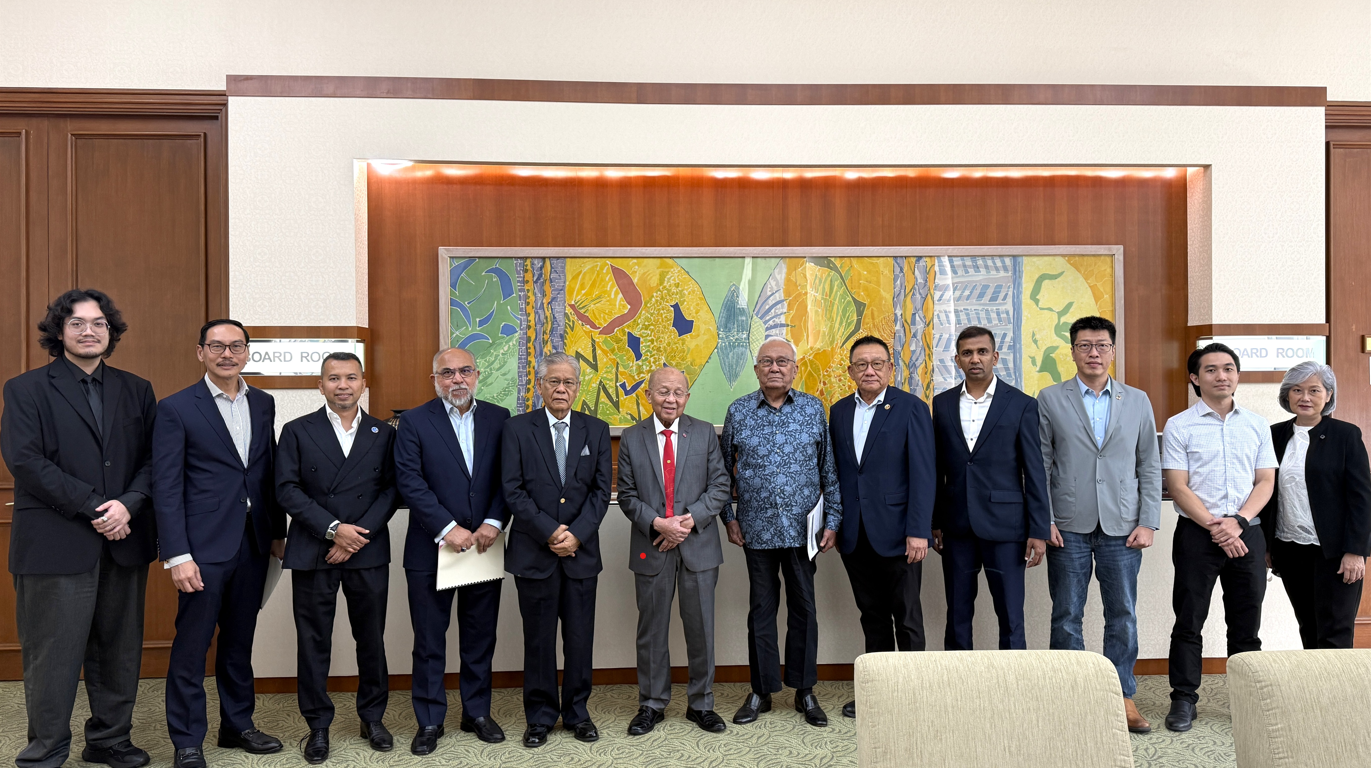
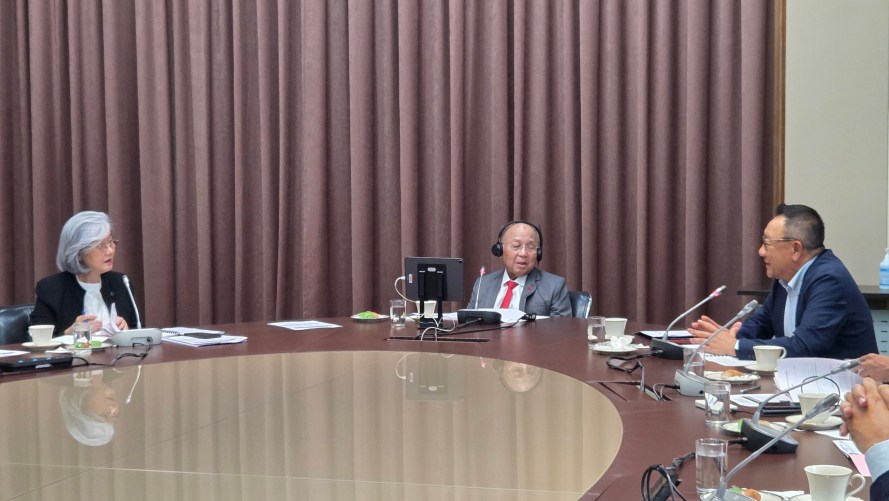
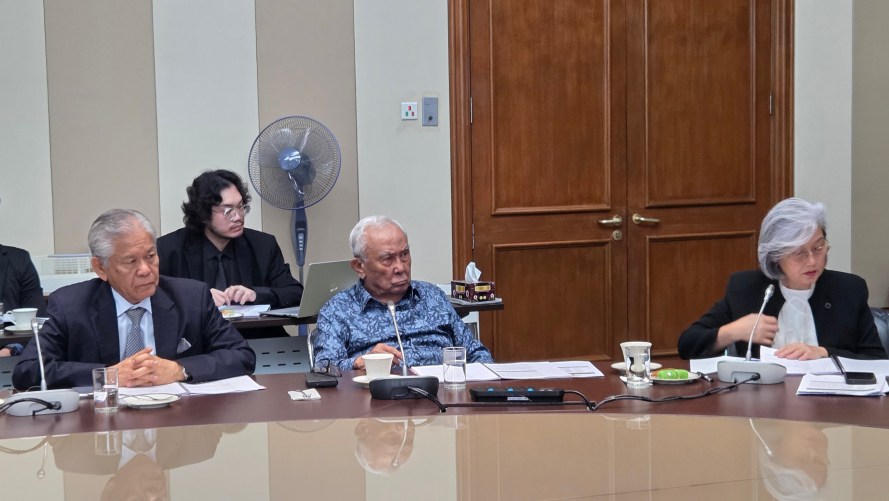
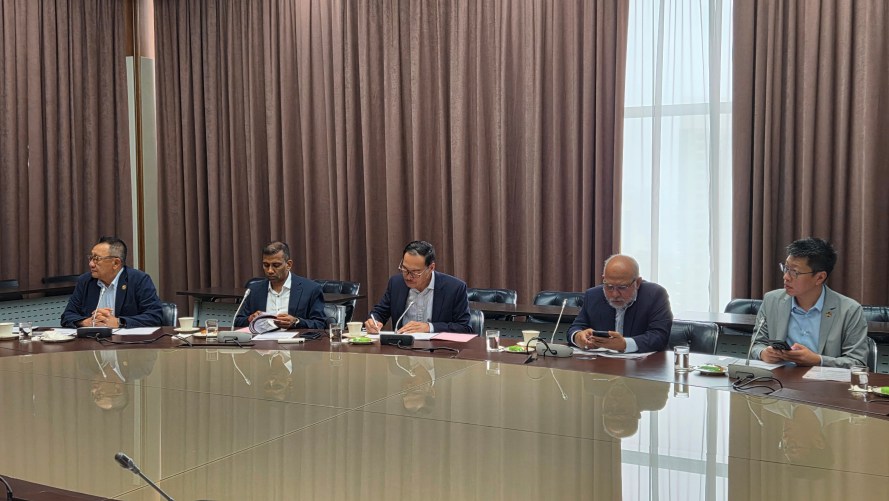
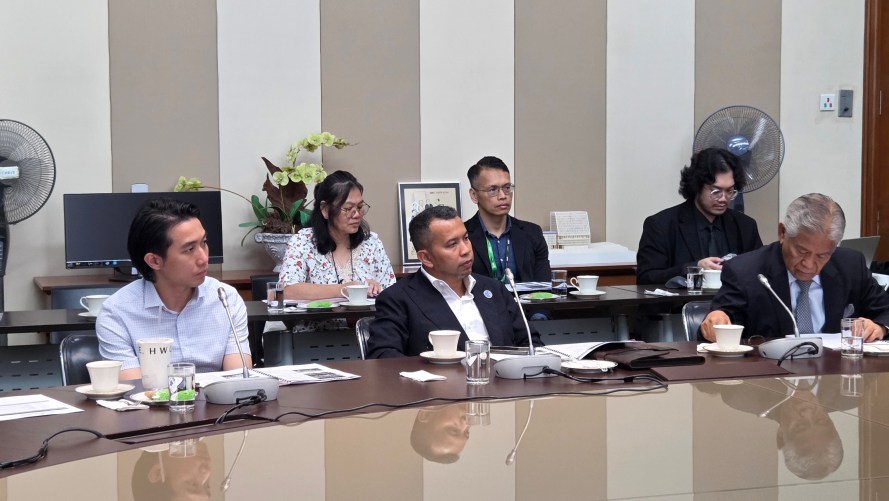
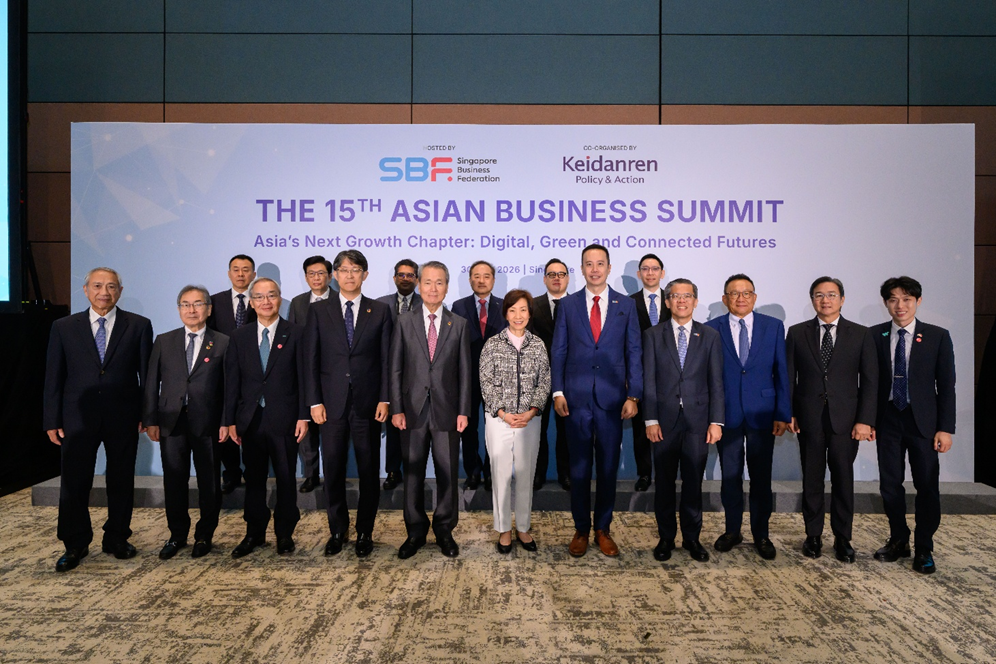
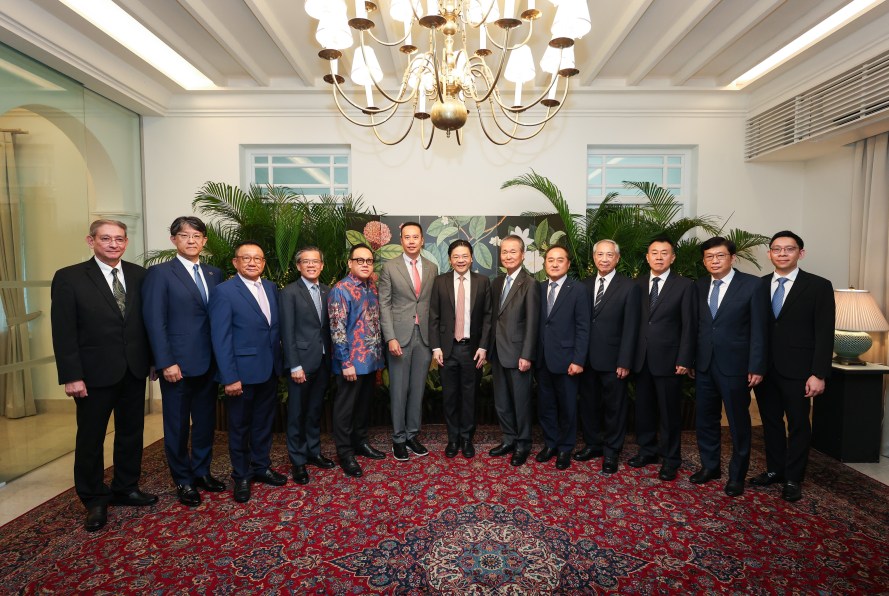
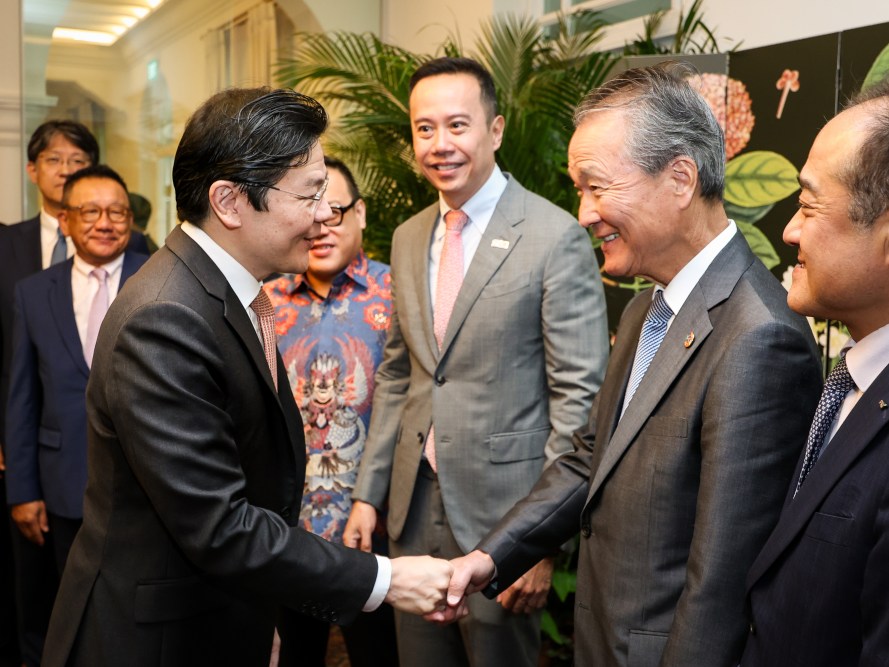
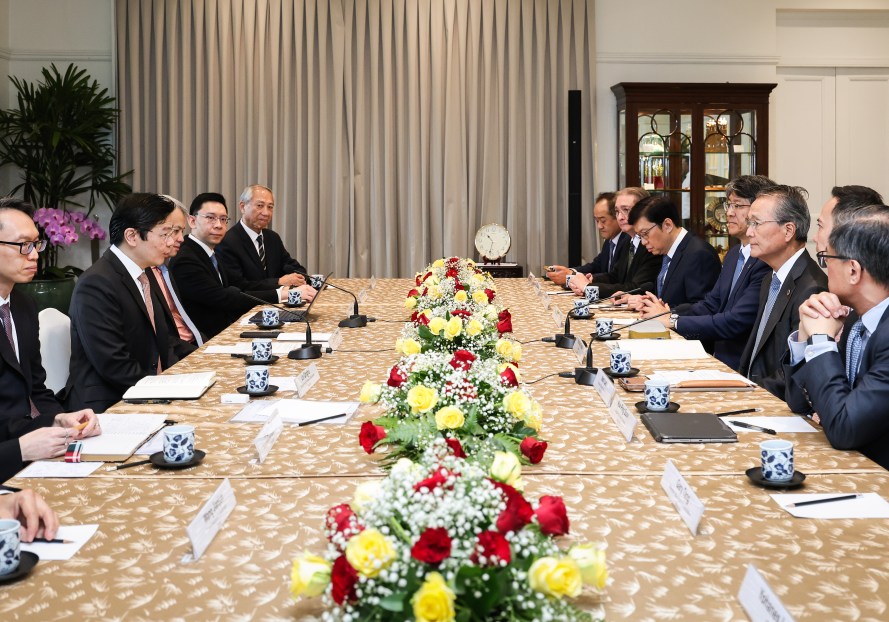
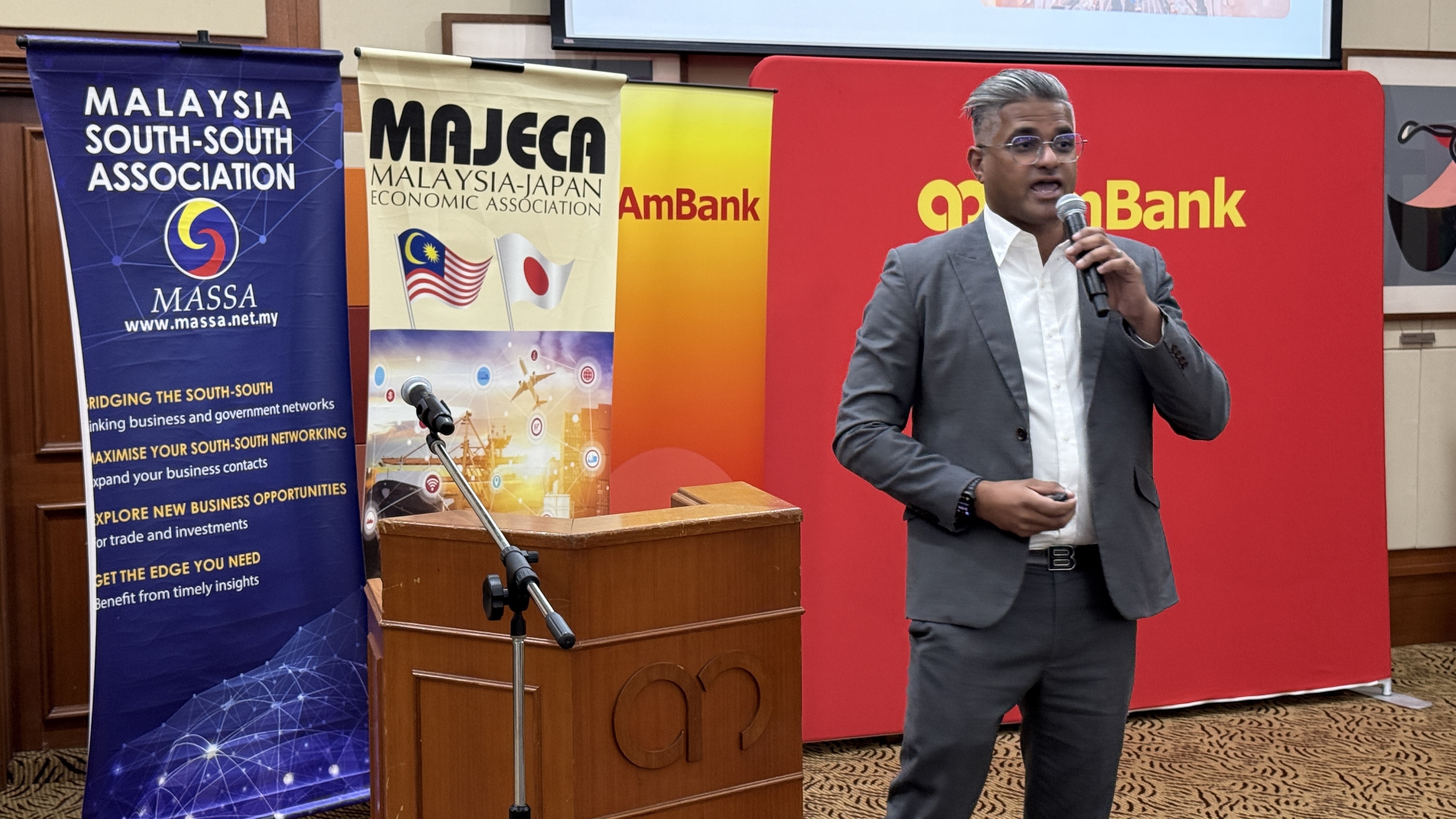
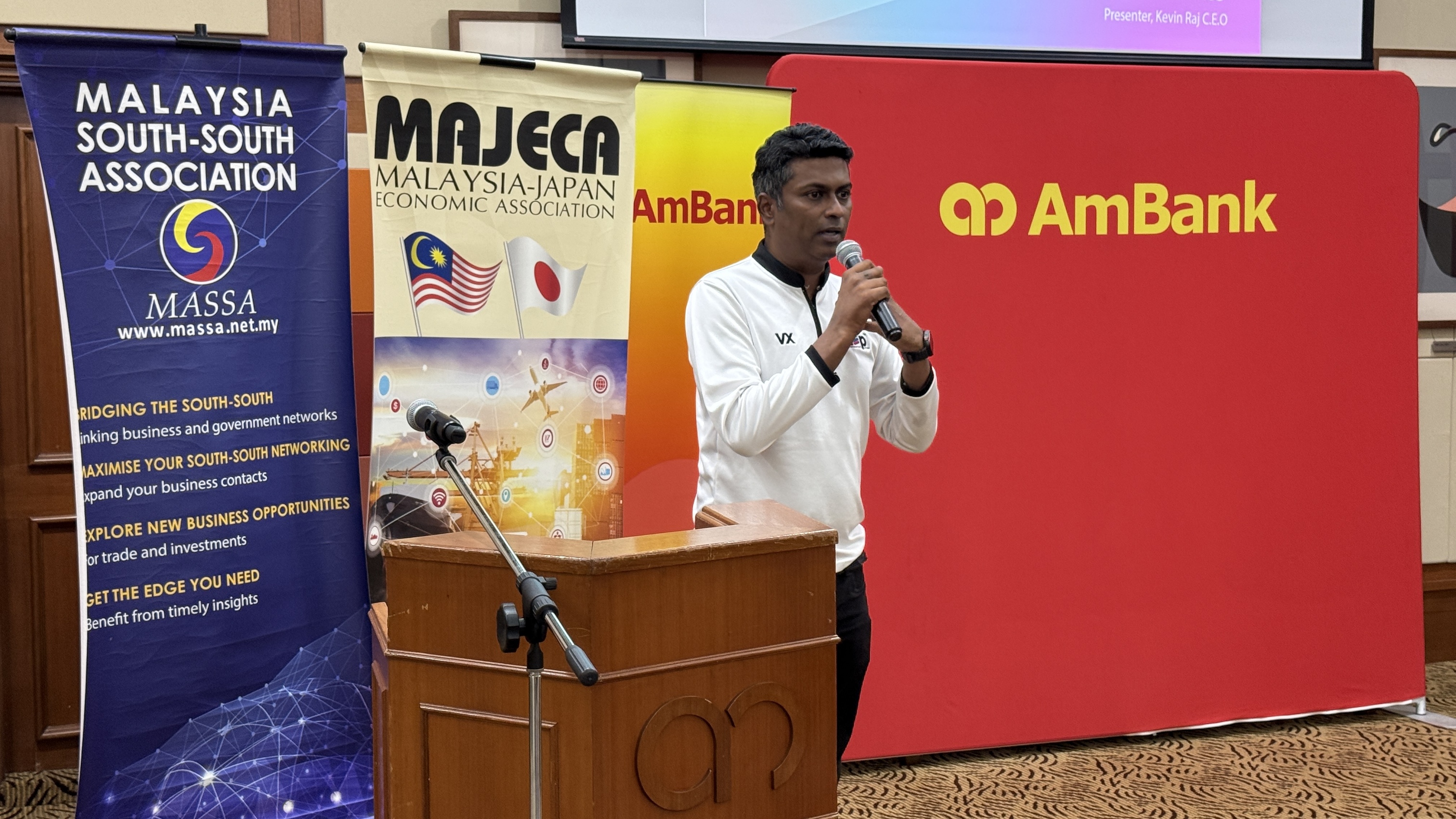
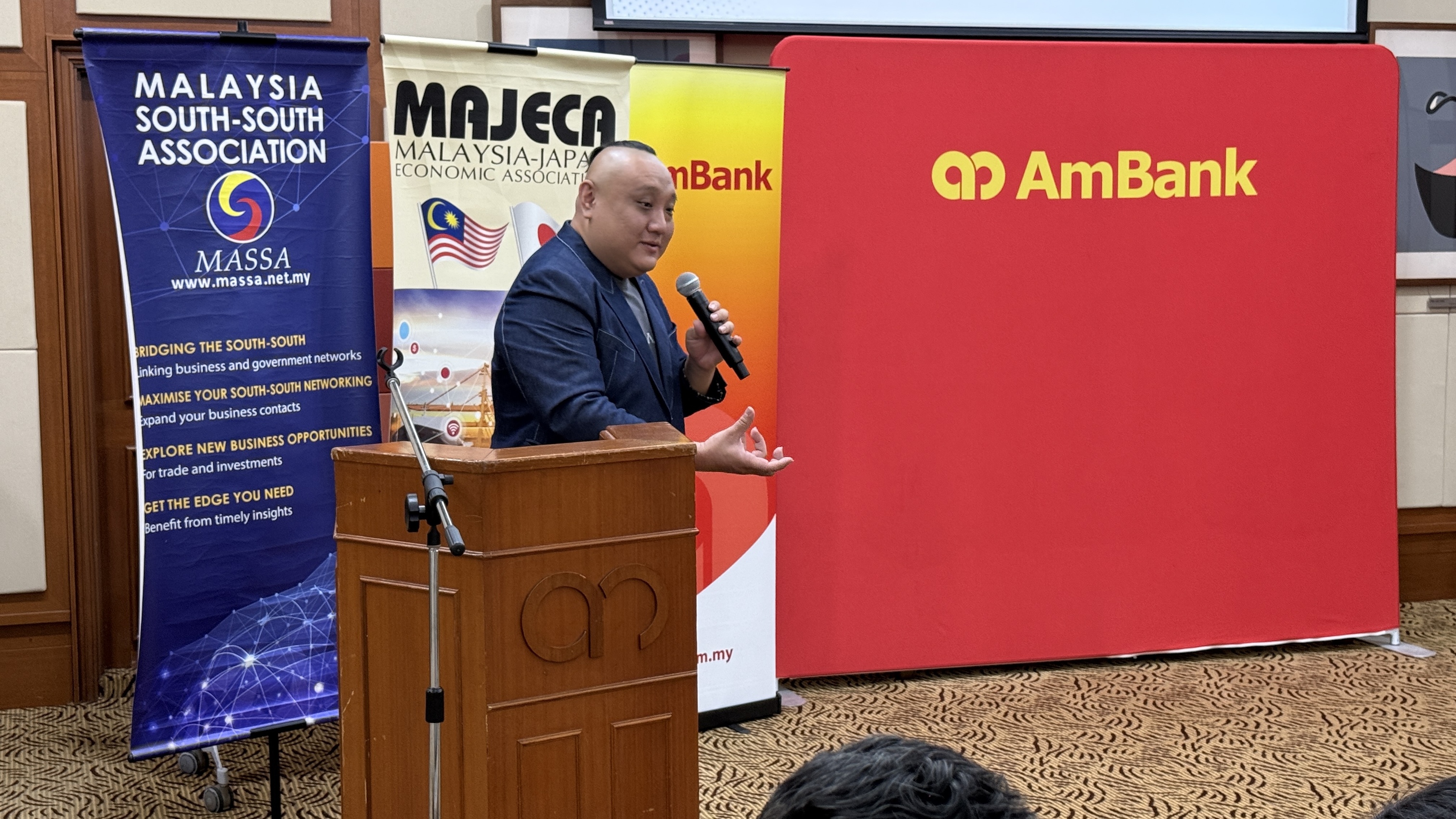
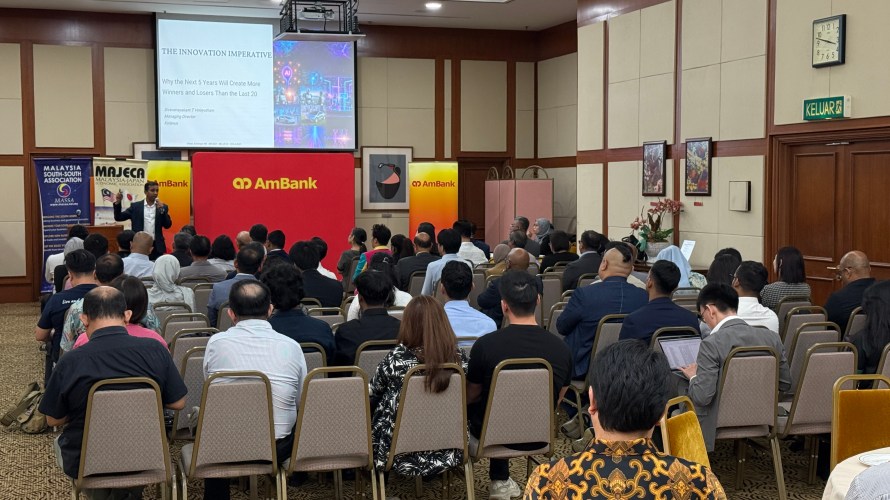
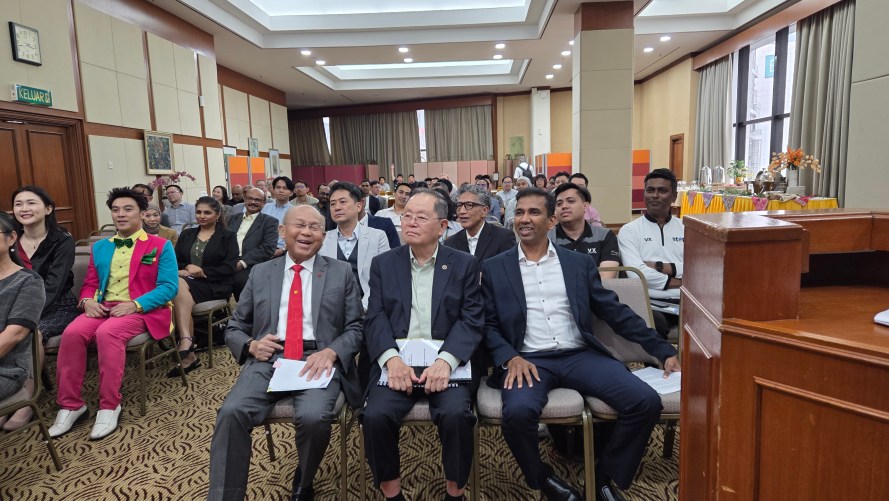
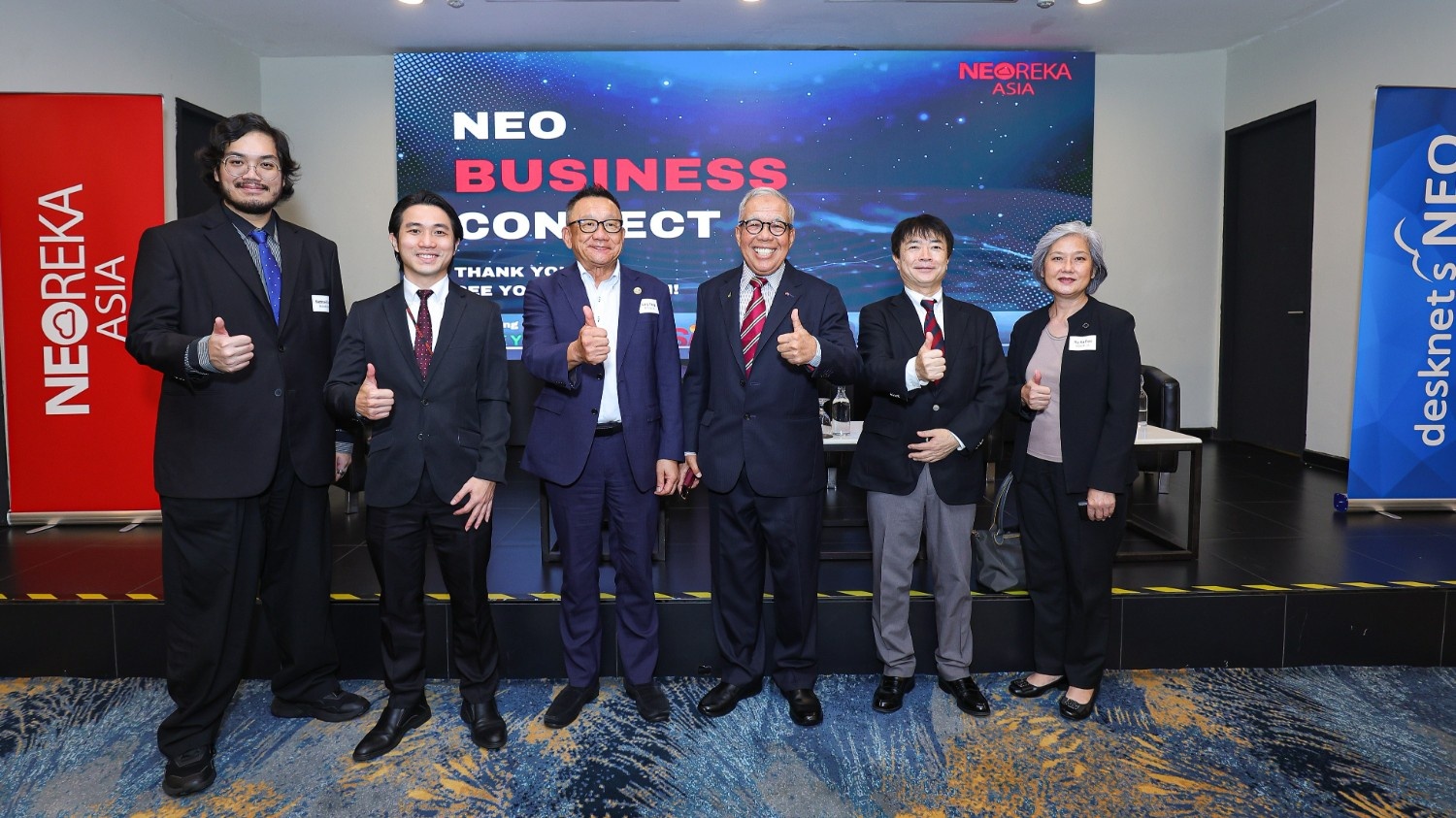
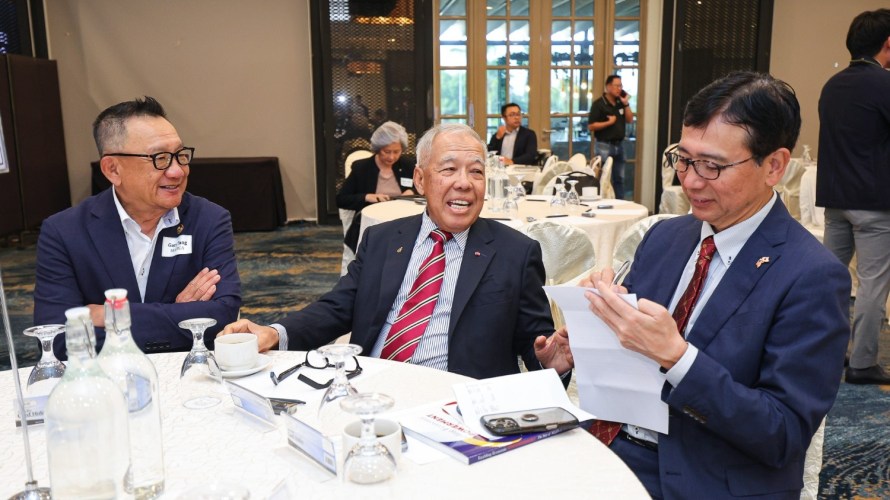
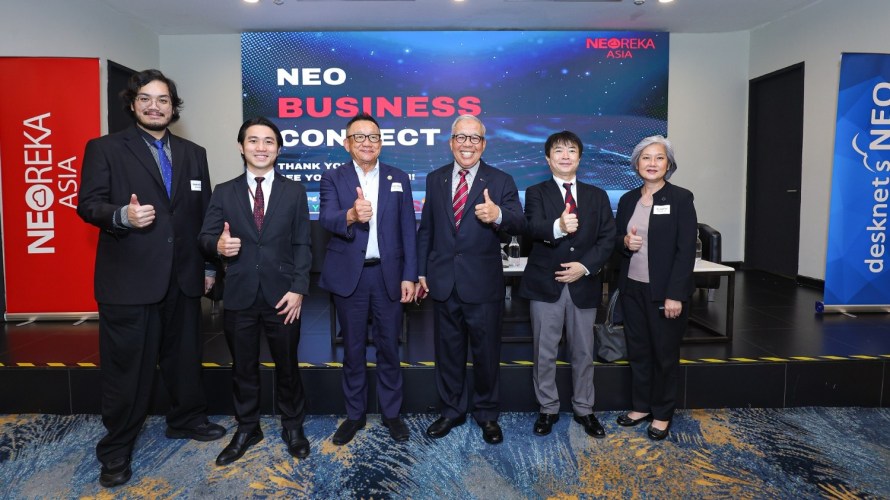
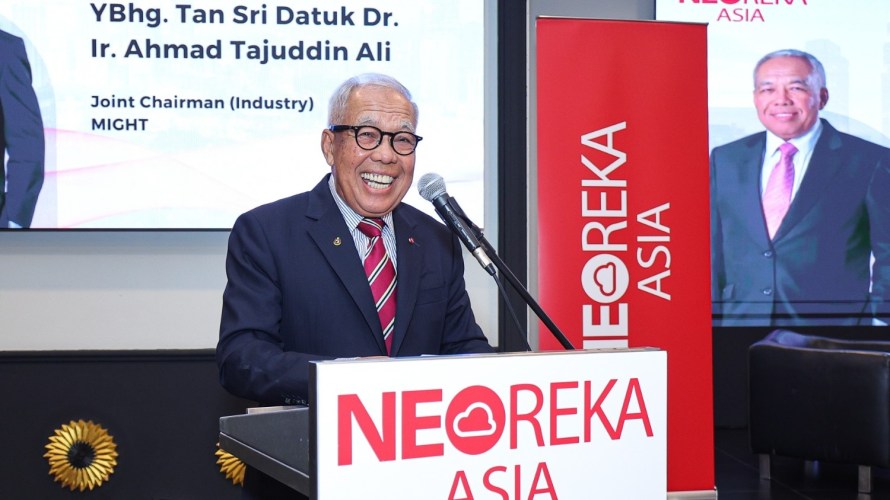
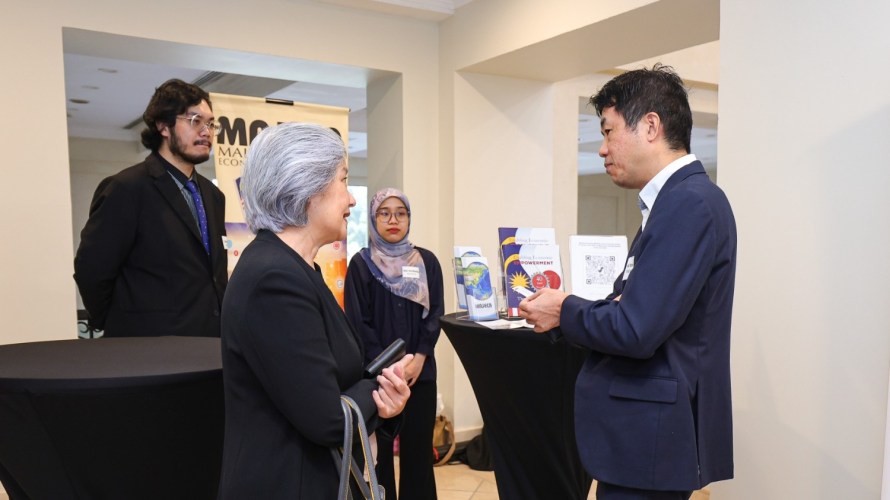
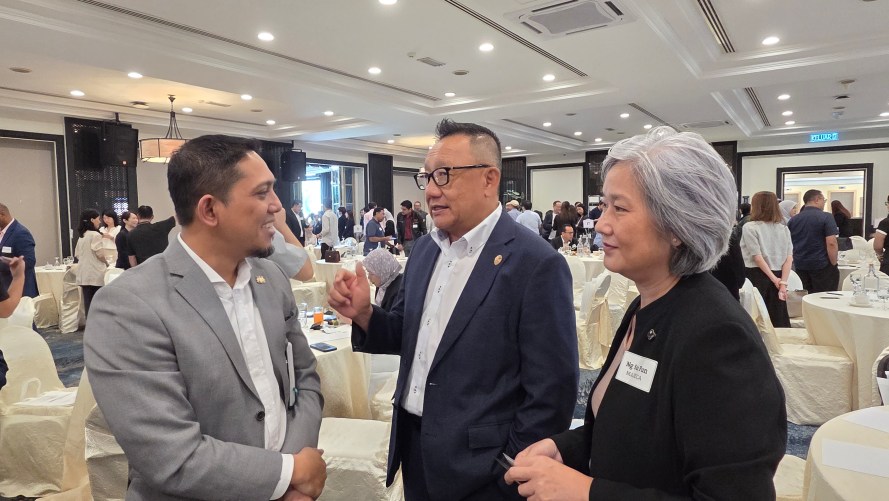
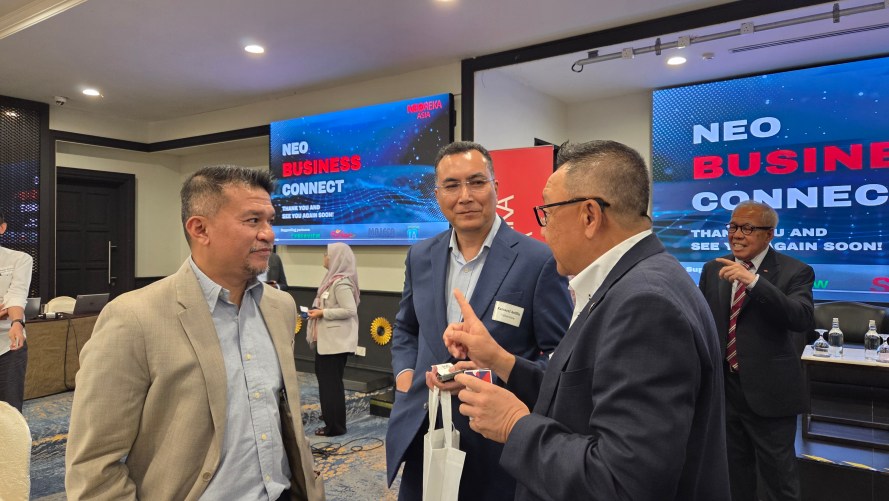
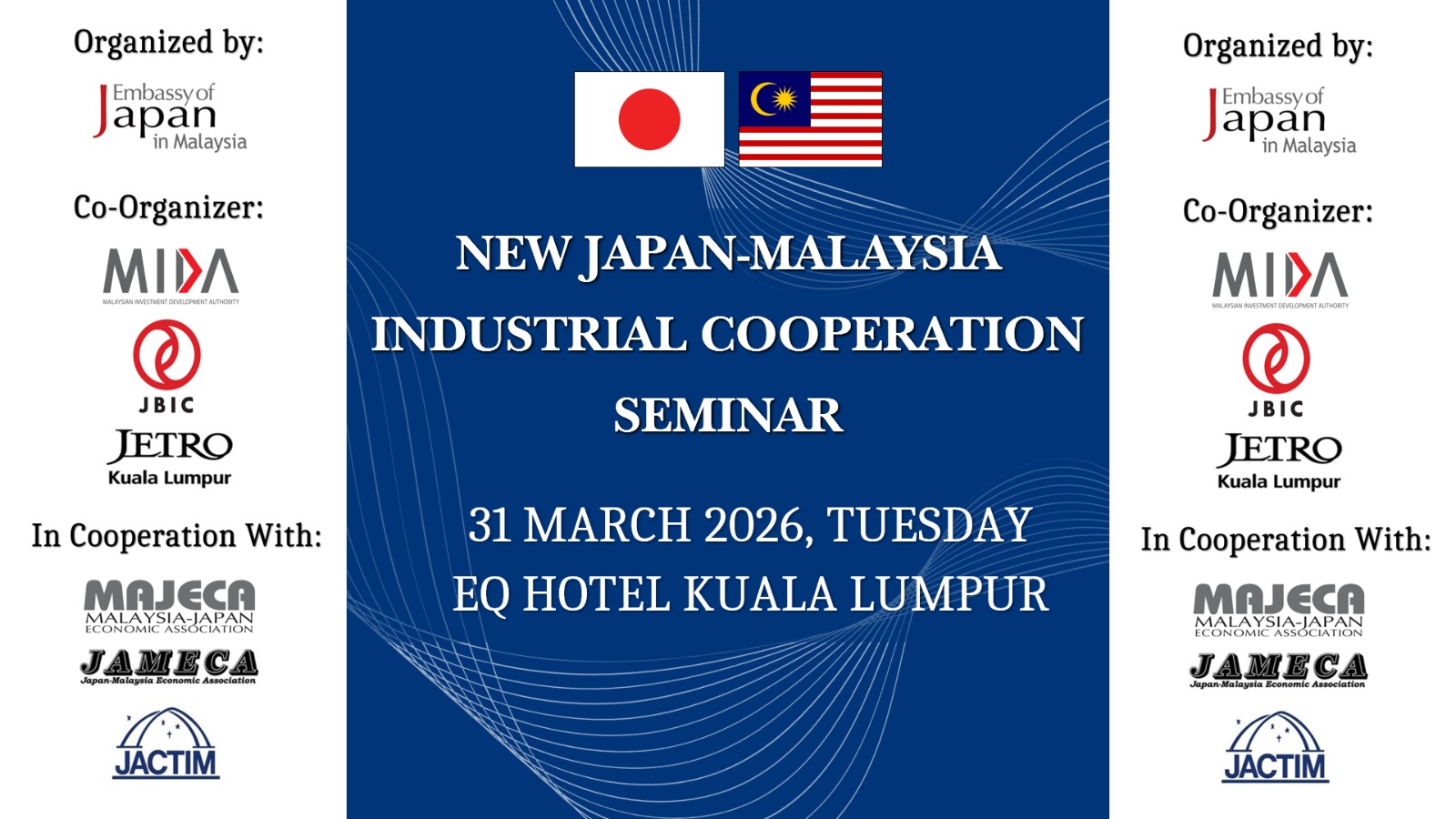
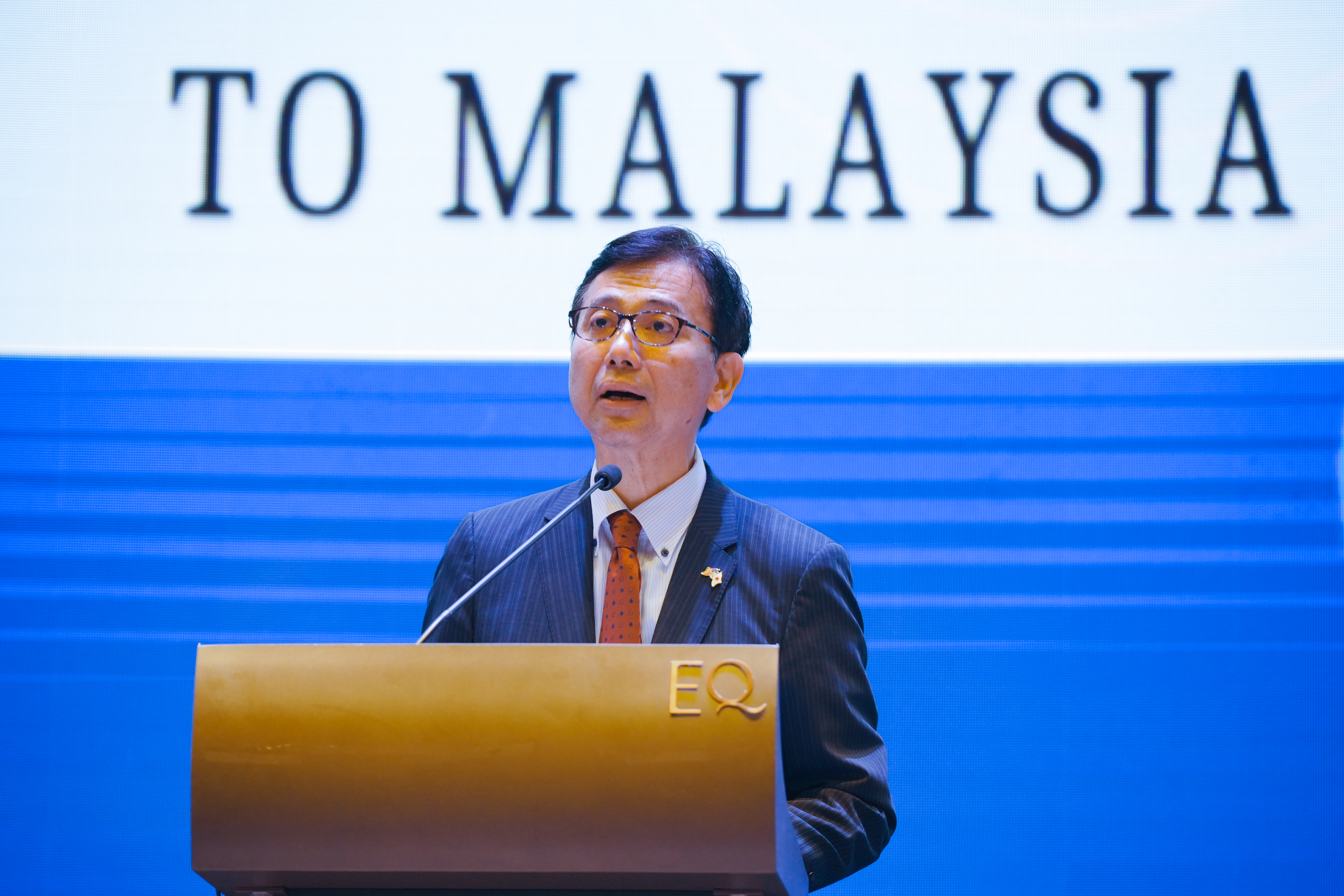
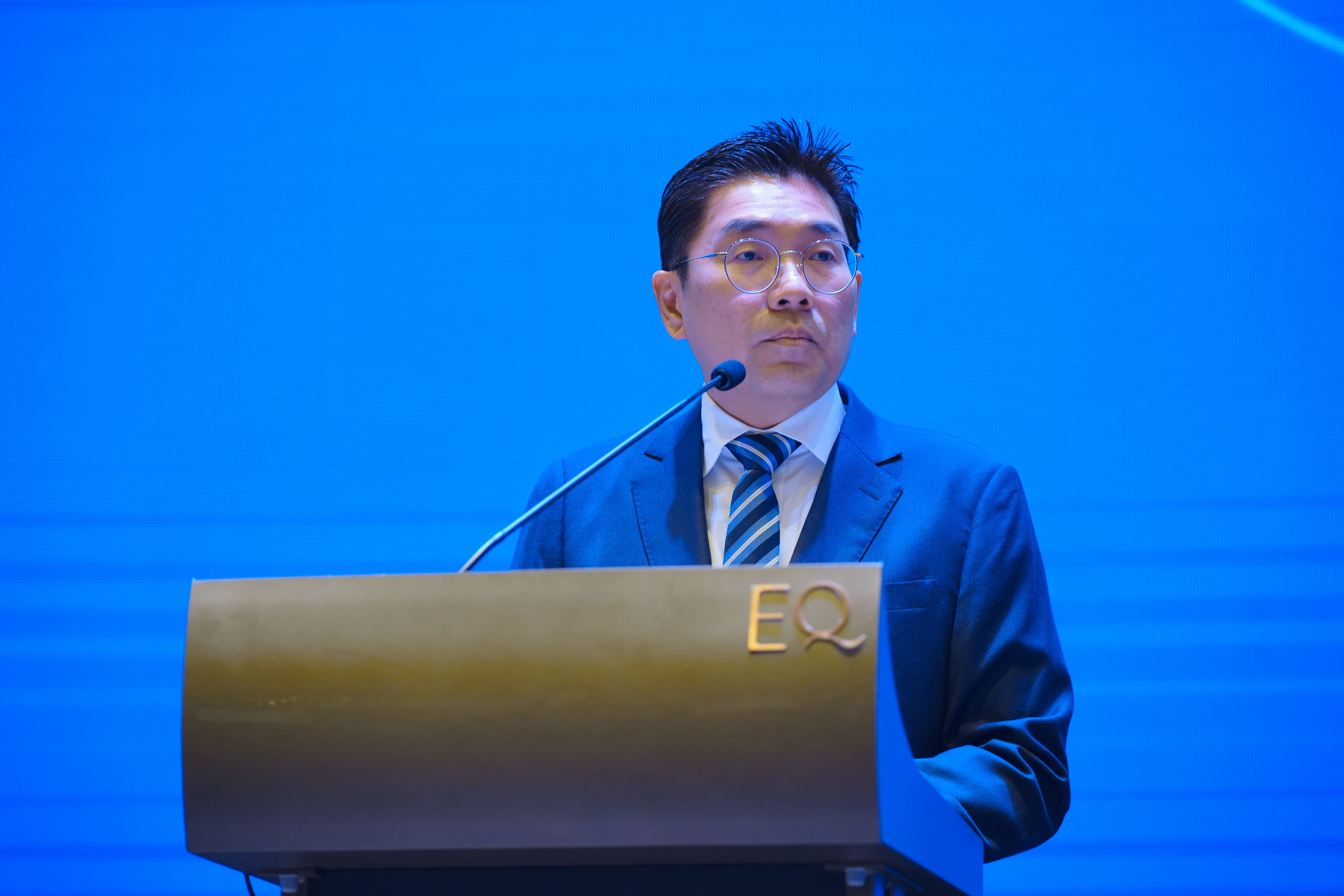
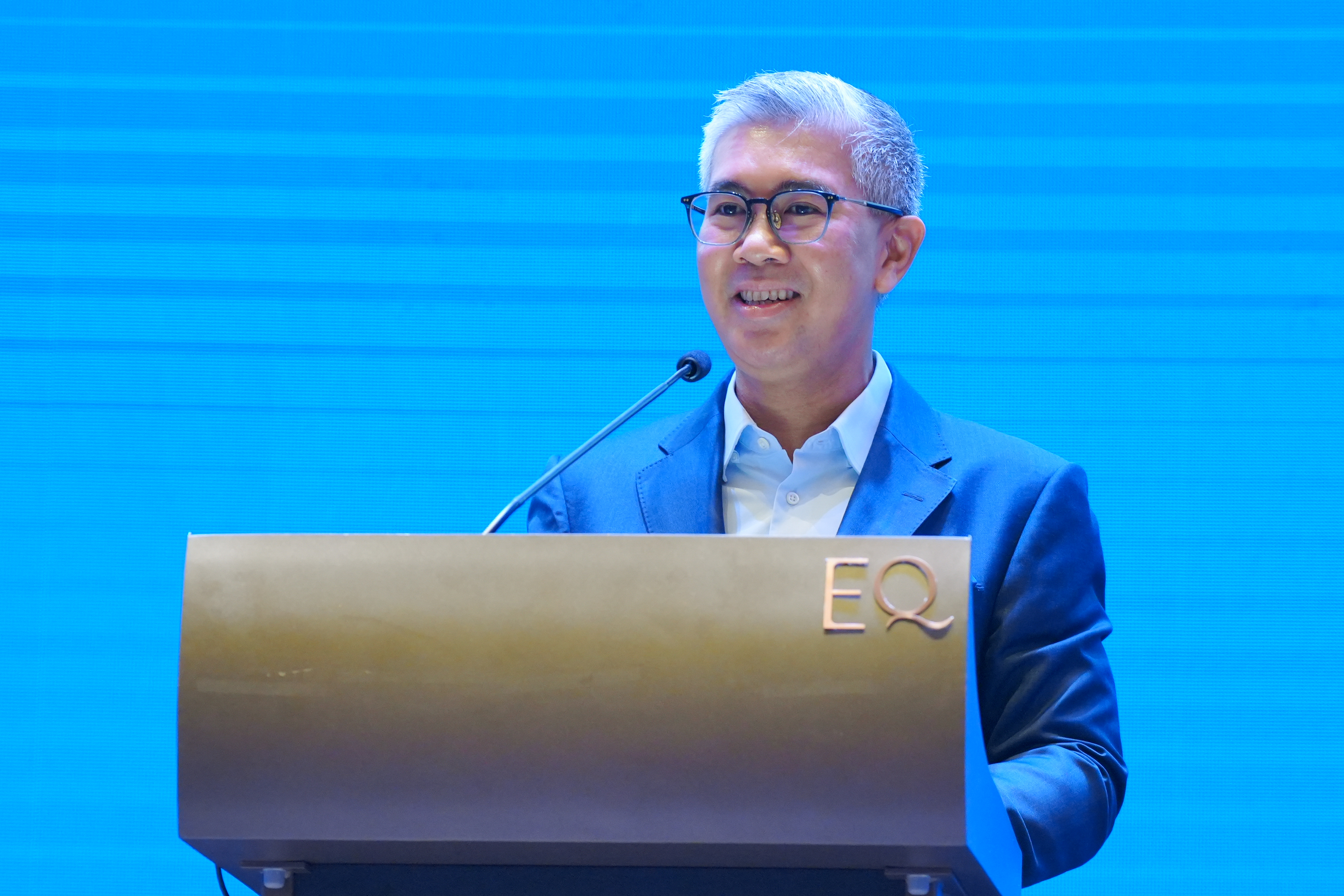
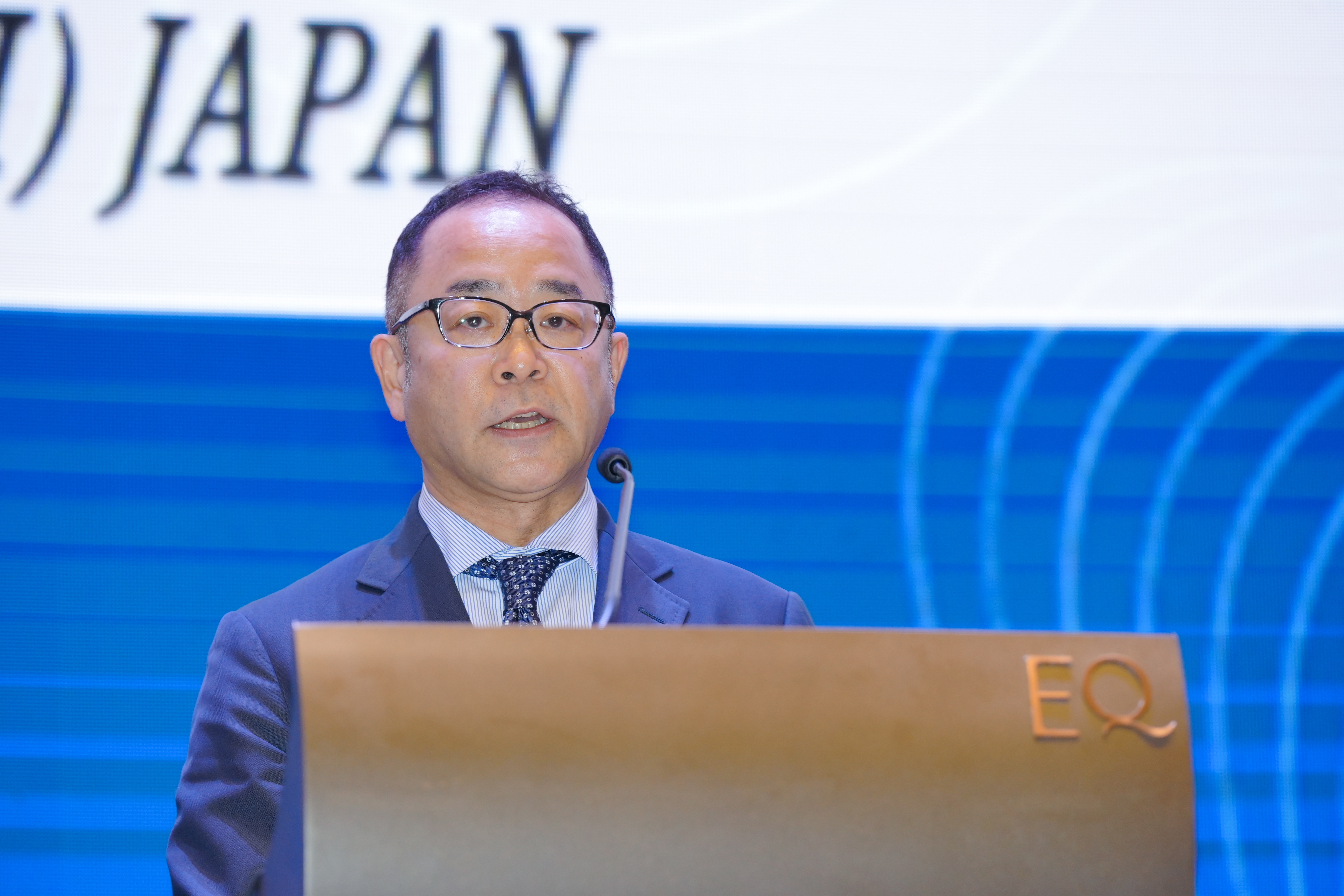
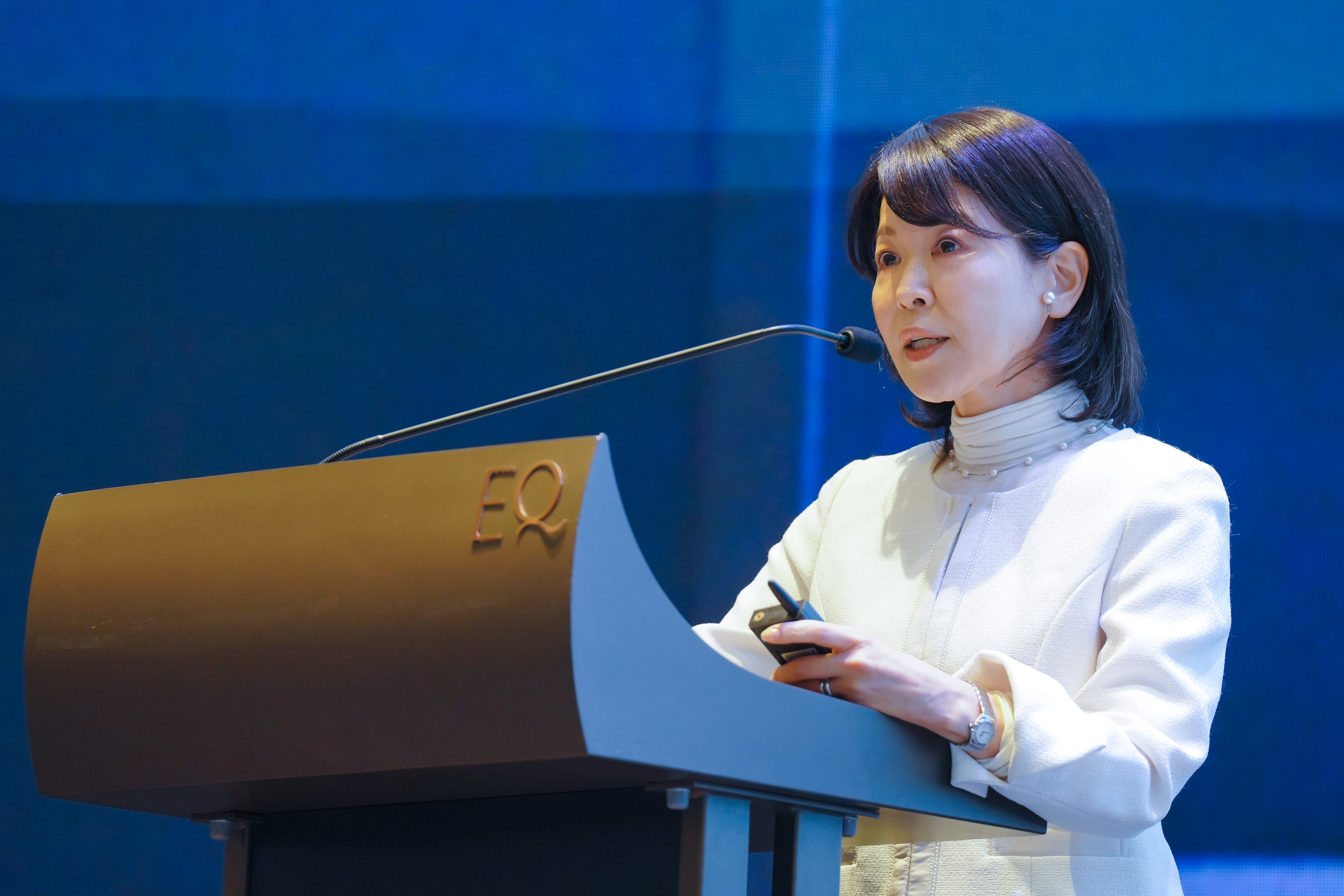
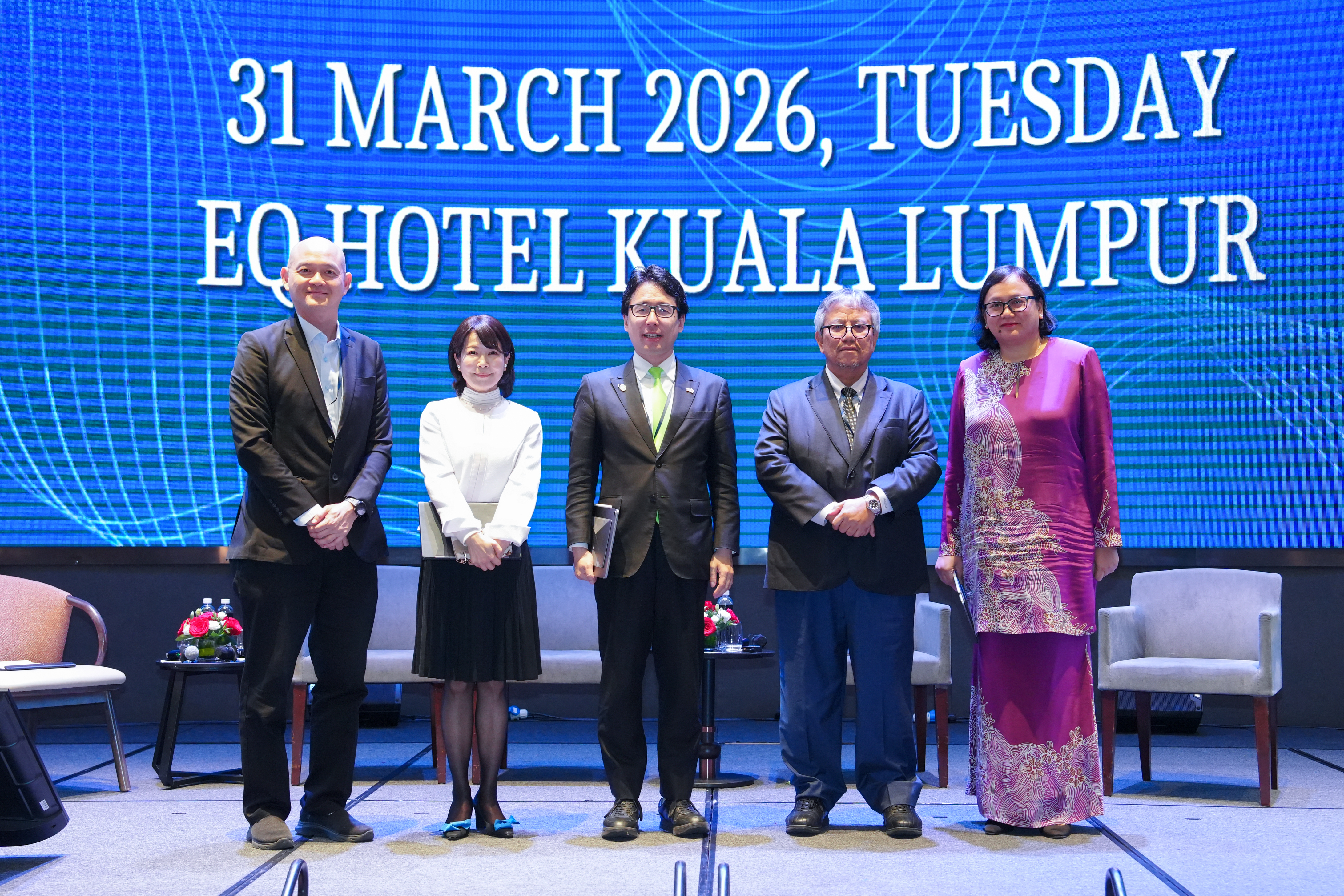
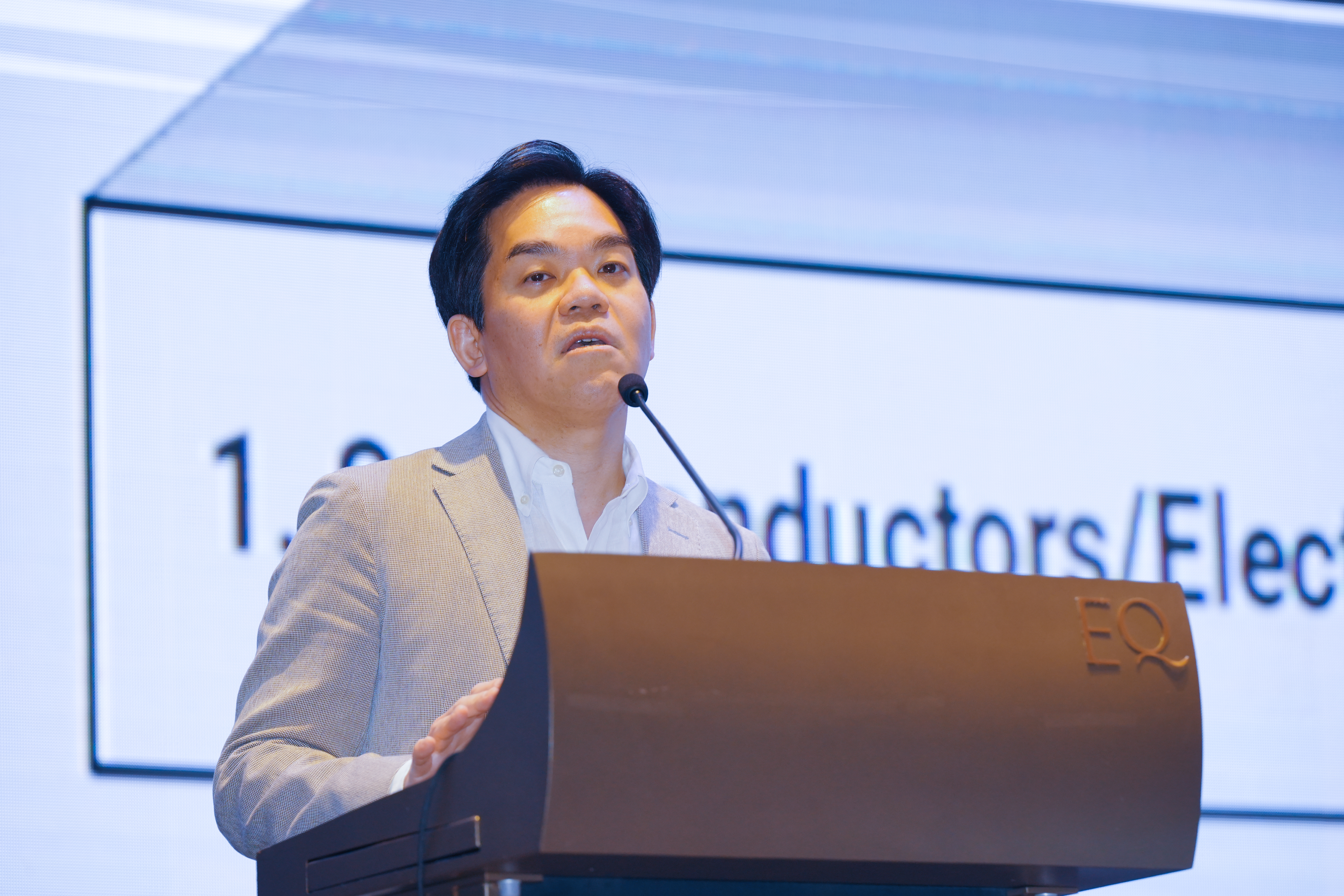
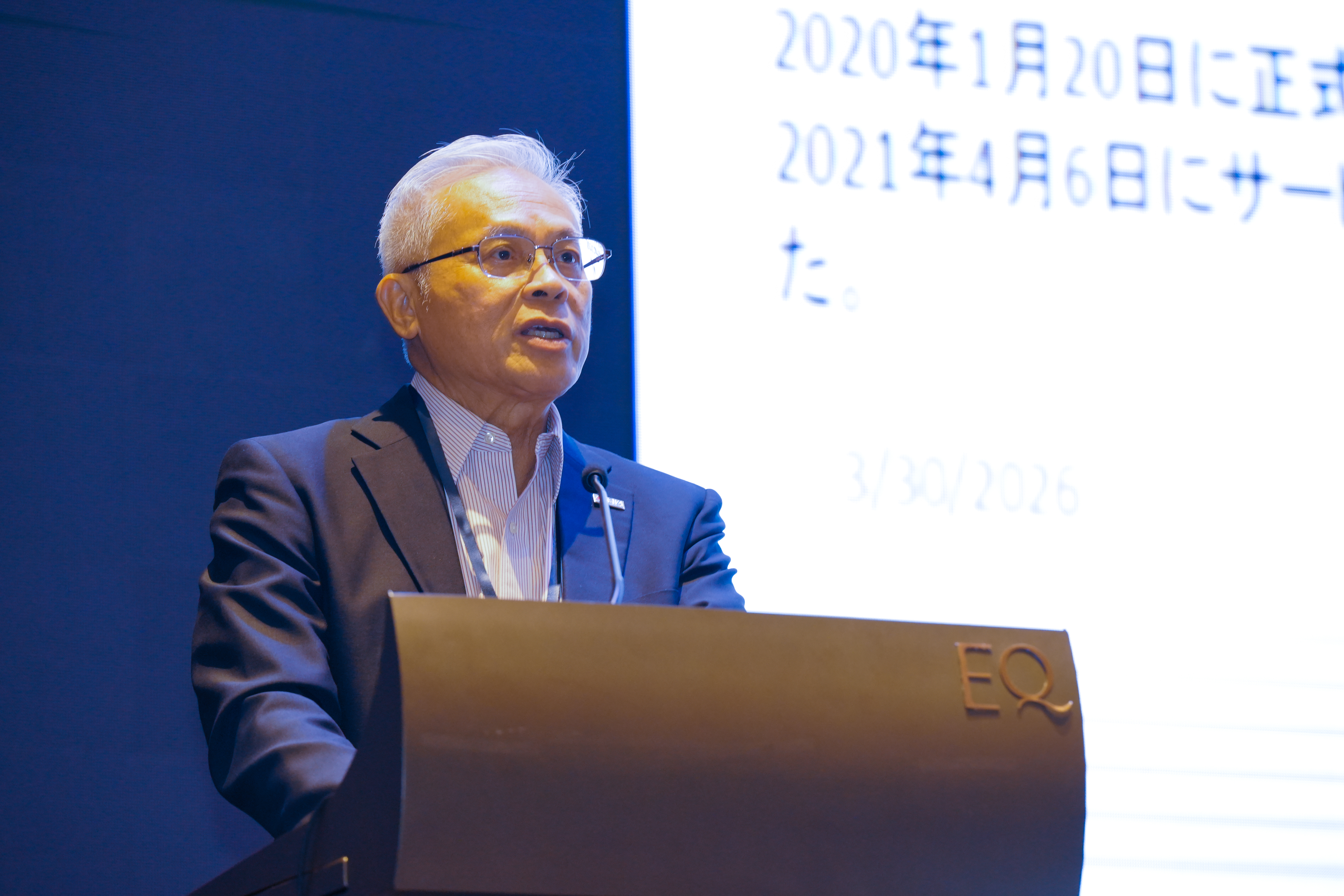
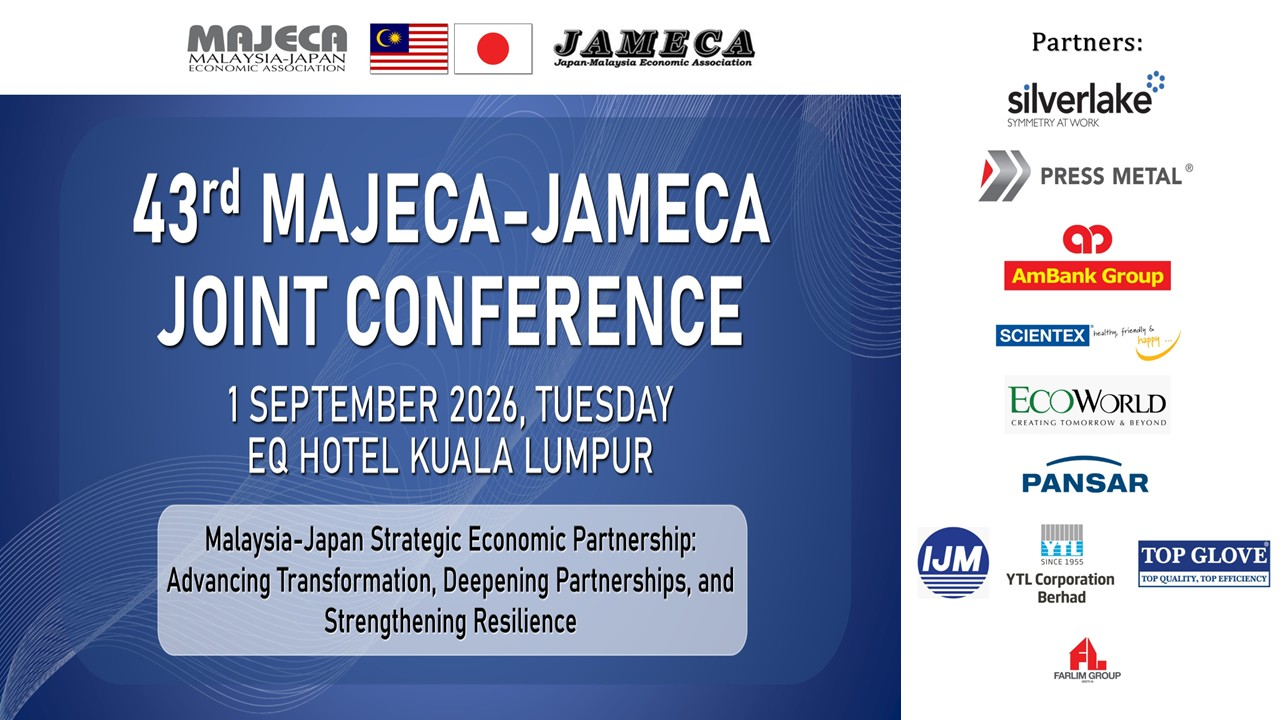
The 43rd edition of the MAJECA – JAMECA Joint Conference was held at EQ Hotel Kuala Lumpur on Tuesday, 1 September 2026. This edition of the Joint Conference, hosted by MAJECA and co-hosted by Japan-Malaysia Economic Association (JAMECA) was themed “Malaysia–Japan Strategic Economic Partnership: Advancing Transformation, Deepening Partnerships, and Strengthening Resilience”.
The Joint Conference was graced by:
- YB Datuk Seri Johari Abdul Ghani, Minister, Ministry of Investment, Trade and Industry (MITI) Malaysia
- Mr Masuo Kuremura, Special Advisor to the Minister, Ministry of Economy, Trade and Industry (METI) Japan, Regional Head, Asia-Pacific
- H.E. Noriyuki Shikata, Ambassador of Japan to Malaysia
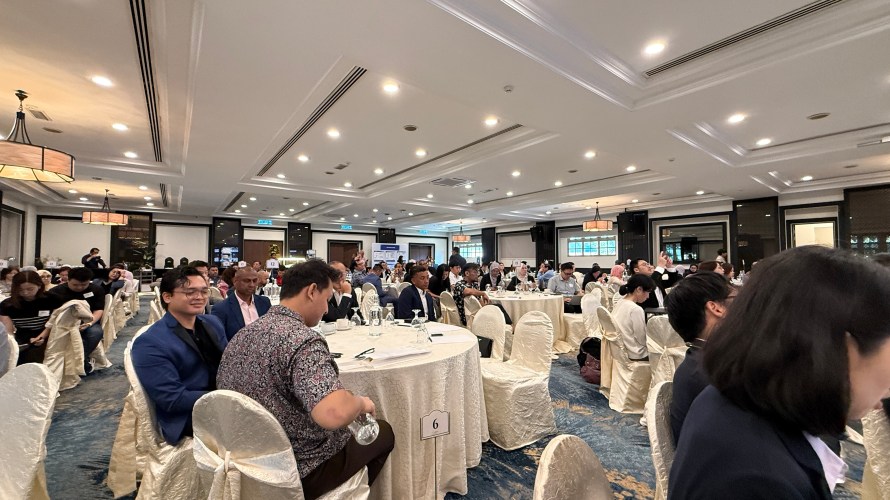
This conference saw the attendance of over 180 participants. The delegation from JAMECA comprised of Chief Executives, Managing Directors and Corporate Leaders of Japanese corporations from Japan, supported by their respective offices in Malaysia and across ASEAN was led by its President, Mr Tsuyoshi Nagano, Senior Executive Advisor, Tokio Marine & Nichido Fire Insurance Co., Ltd. The delegation from MAJECA was led by its President, Tan Sri Azman Hashim, Emeritus Chairman of AmBank Group. The MAJECA delegation comprised of Chief Executives, Managing Directors and Corporate Leaders of Malaysian companies including a strong delegation from the ASEAN Council of Japan Alumni (ASCOJA), led by Malaysia Governor and President of the Japan Graduates’ Association of Malaysia (JAGAM), Mr Gary Tang, cum Hon. Secretary of MAJECA.
The Conference highlighted Malaysia’s industrial base, efforts in attracting high-quality foreign direct investment, and accelerating digital and green transformation. The Conference discussed how Malaysia and Japan can jointly advance and deepen partnership across key sectors, including advanced manufacturing, semiconductors, renewable energy, critical minerals, artificial intelligence, and sustainable supply chains. This Joint Conference convenes at a critical juncture in the global economic order, where geopolitical conflict and fragmentation, geoeconomic realignments, and rapid technological disruption are reshaping regional production, trade, and investment patterns. The Joint Conference showcased Malaysia, who remains one of the most compelling destinations for growth and investment in the region, and that Japan remains the partner of depth, trust, and long-term orientation that Malaysian industry continues to value and choose.
The 43rd MAJECA-JAMECA Joint Conference was made possible through the extensive efforts and cooperation from our co-host, Japan-Malaysia Economic Association (JAMECA), the role-players, the able team of Dinmaz Audio Visual Services, EQ Hotel & the interpreters, participants and especially our partners namely:
- Silverlake Axis Sdn Bhd
- Press Metal Aluminium Holdings Bhd
- the AmBank Group
- Scientex Berhad
- Eco World Development Group Bhd
- Pan Sarawak Holdings Bhd
- IJM Corporation Bhd
- TG Worldwide Sdn Bhd
- Farlim Group (Malaysia) Bhd
- YTL Corporation Bhd
- Hotel Equatorial (M) Sdn Bhd
- MAQO Engineering Sdn Bhd
The Programme of the 43rd MAJECA-JAMECA Joint Conference can also be accessed by clicking here.
Opening Ceremony
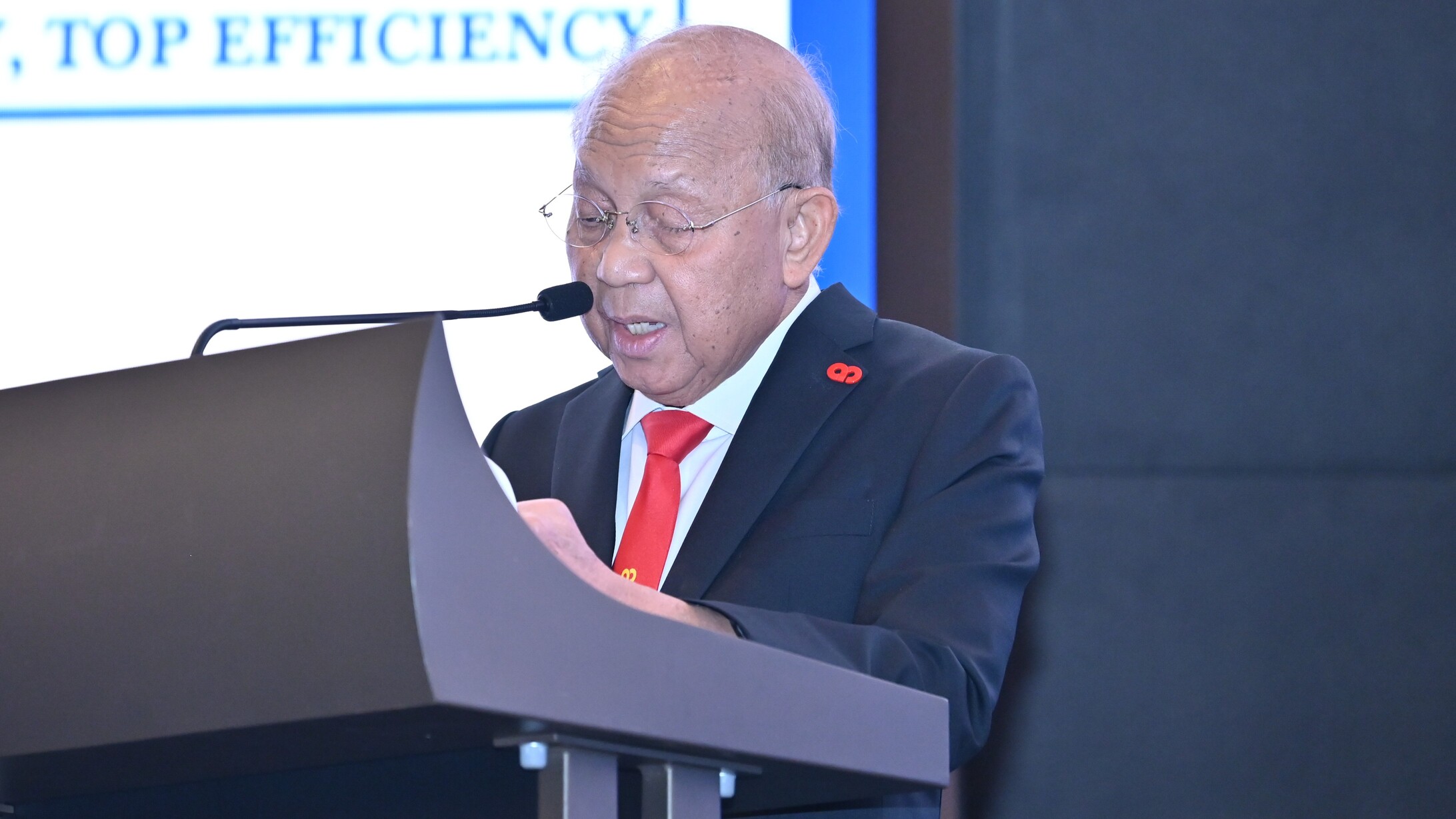
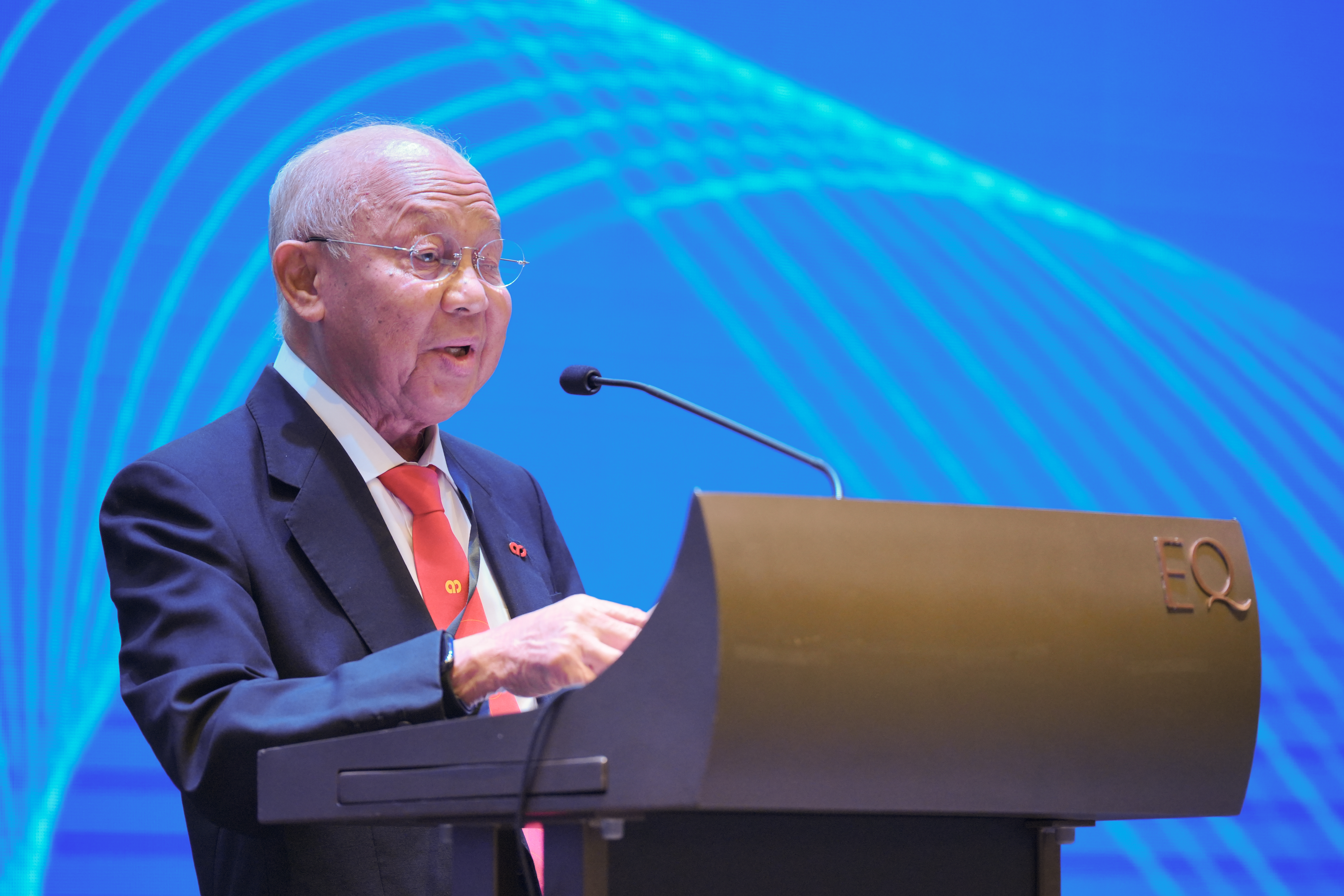
Tan Sri Azman Hashim,
President of Malaysia-Japan Economic Association (MAJECA) and
Chairman of the 43rd MAJECA Joint Conference delivered his opening remarks.
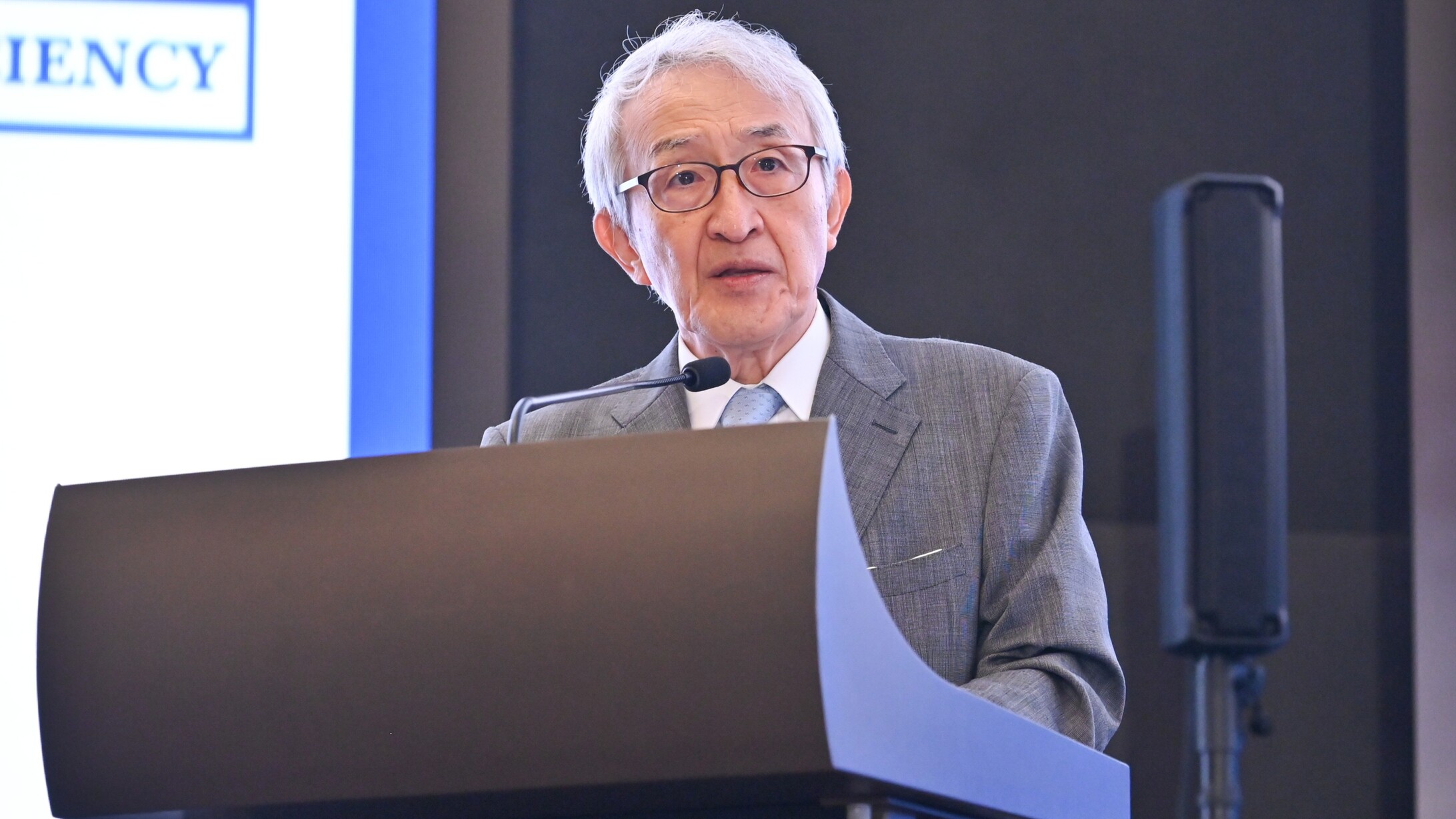
Mr Tsuyoshi Nagano,
President of Japan-Malaysia Economic Association (JAMECA) and
Co-Chairman of the 43rd MAJECA Joint Conference delivered his opening remarks.
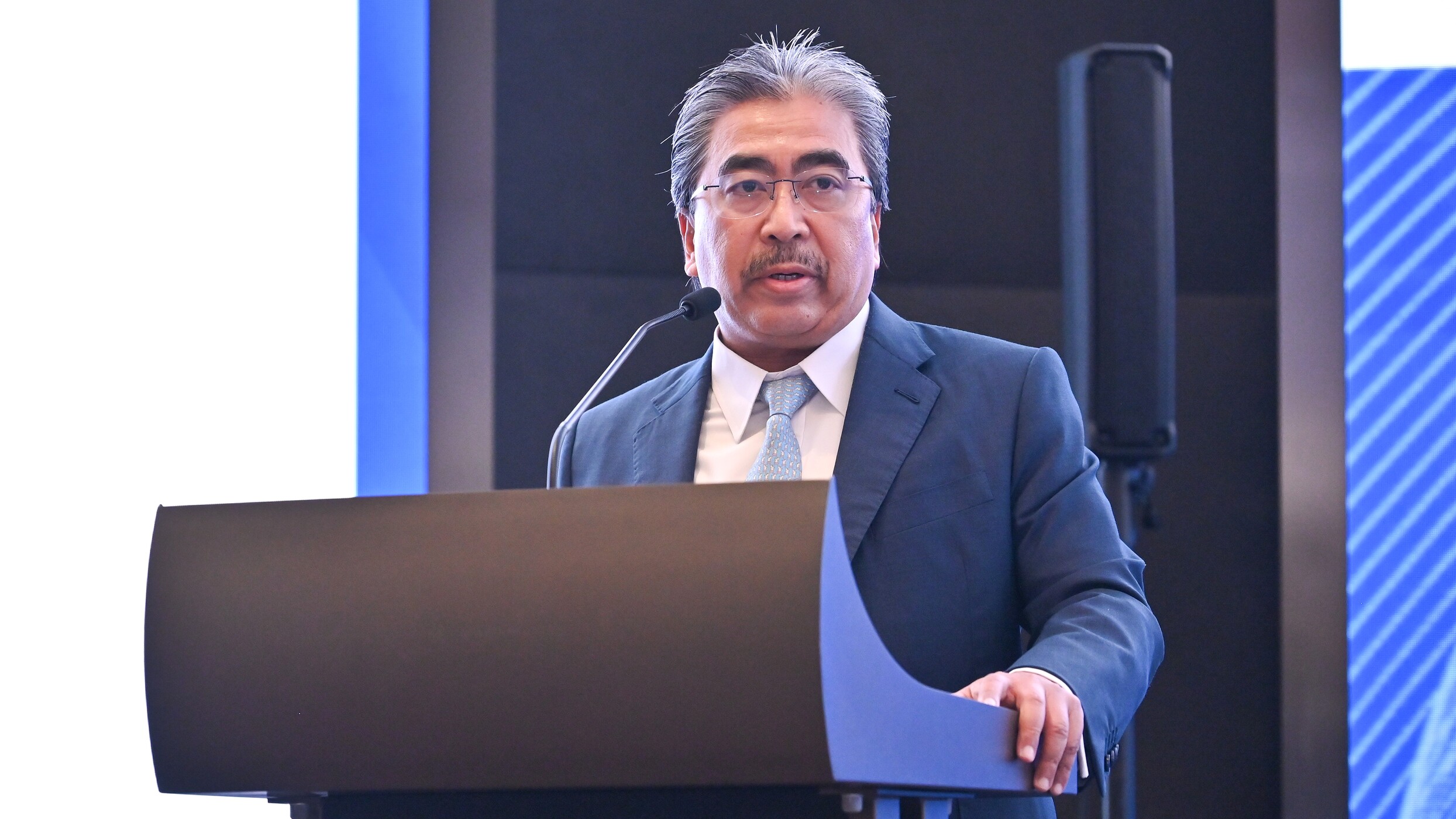
YB Datuk Seri Johari Abdul Ghani,
Minister, Ministry of Investment, Trade and Industry (MITI) Malaysia delivered his Keynote Address and then read the congratulatory message by YAB Dato’ Seri Anwar bin Ibrahim, Prime Minister of Malaysia.
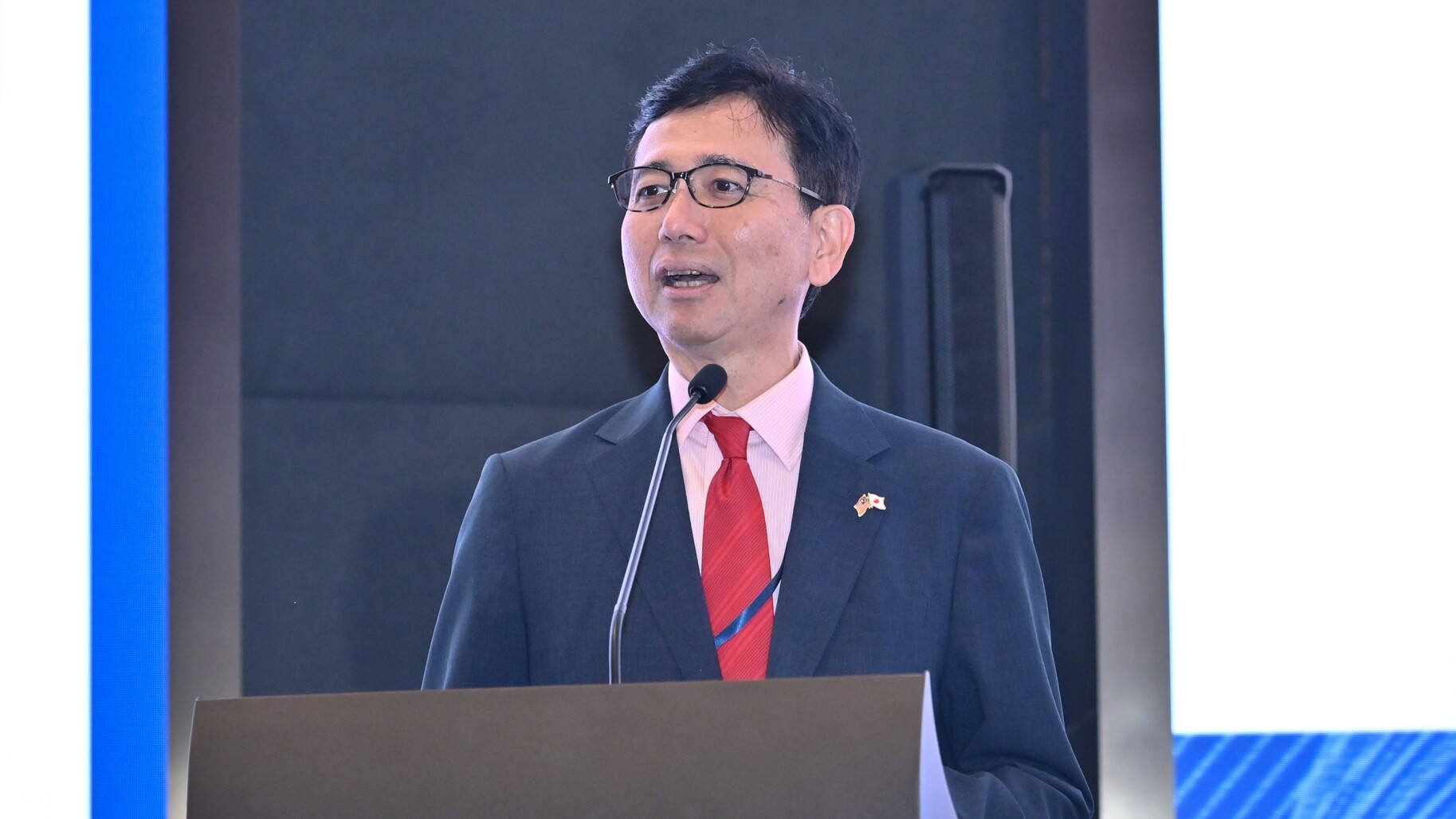
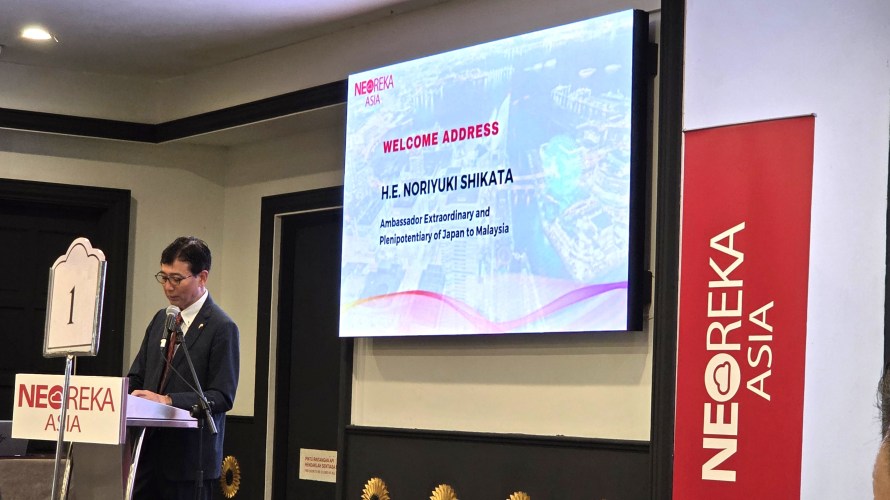
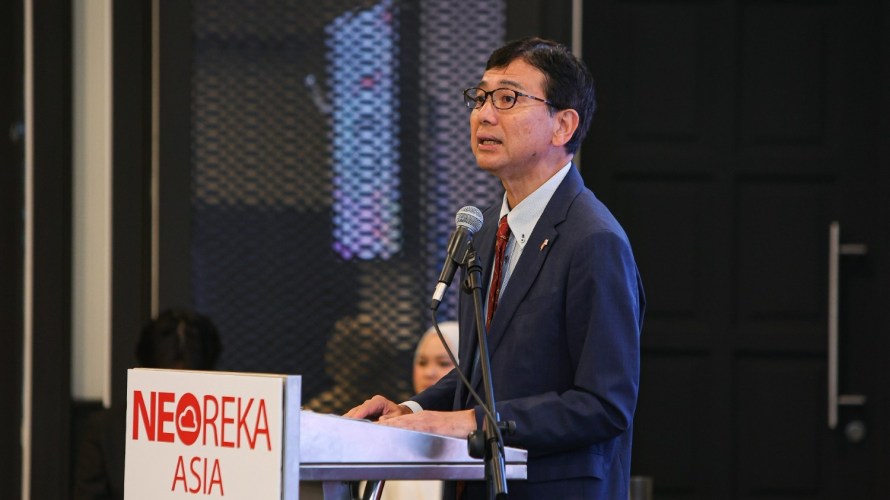
H.E. Noriyuki Shikata,
Ambassador of Japan to Malaysia delivered his greetings to participants of the Joint Conference and read the congratulatory message by H.E. Ms Sanae Takaichi, the Prime Minister of Japan.
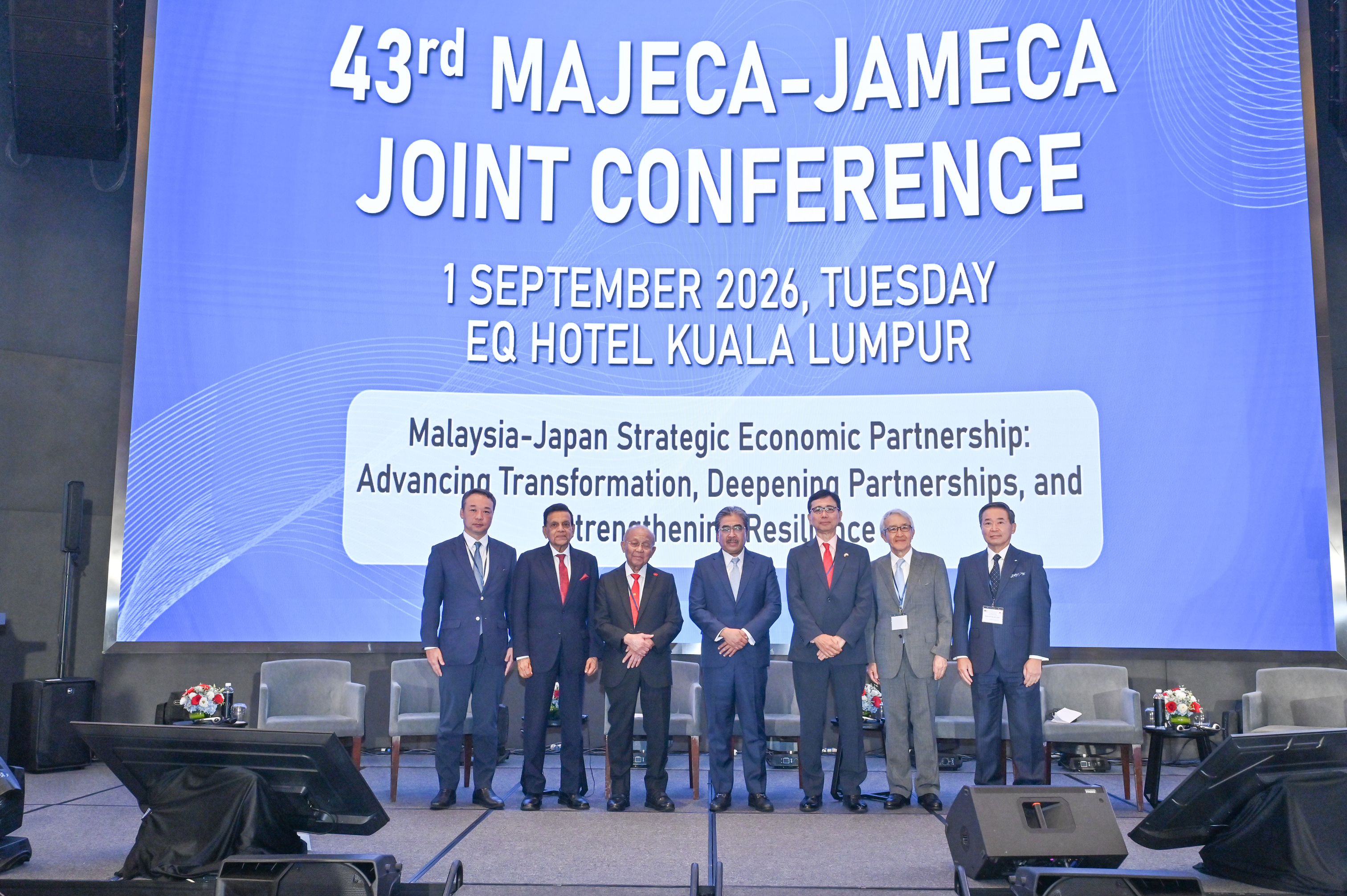
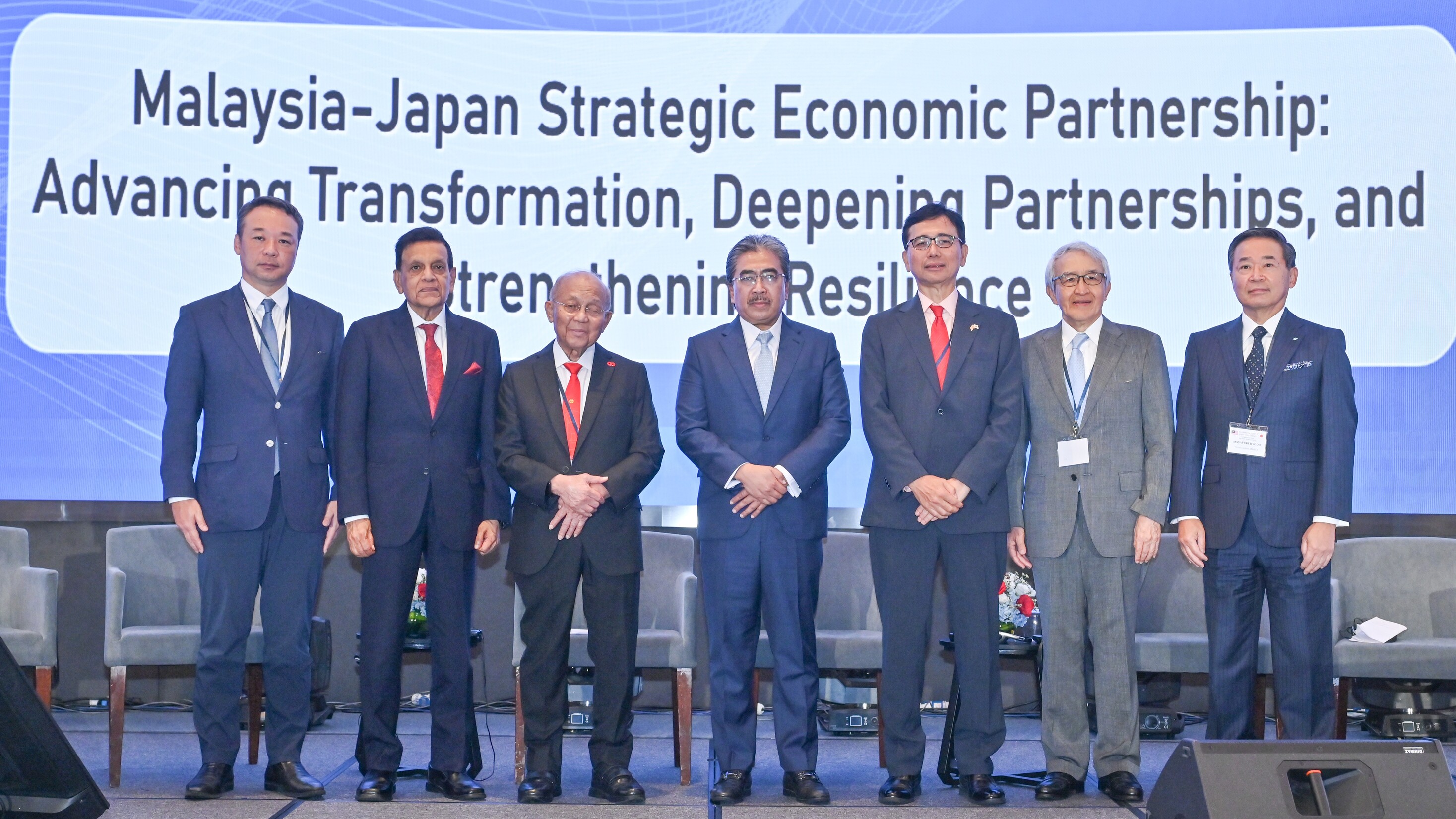
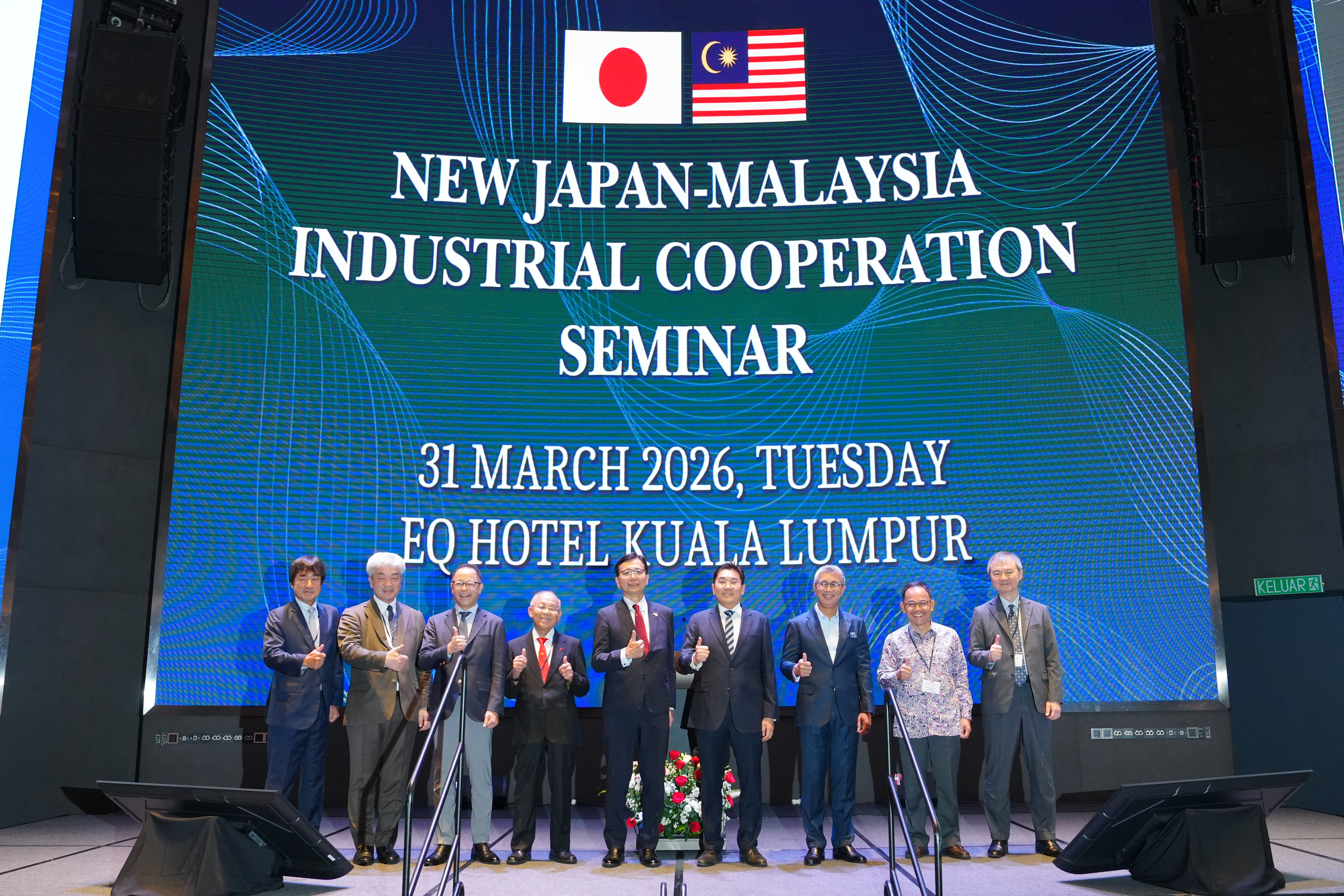
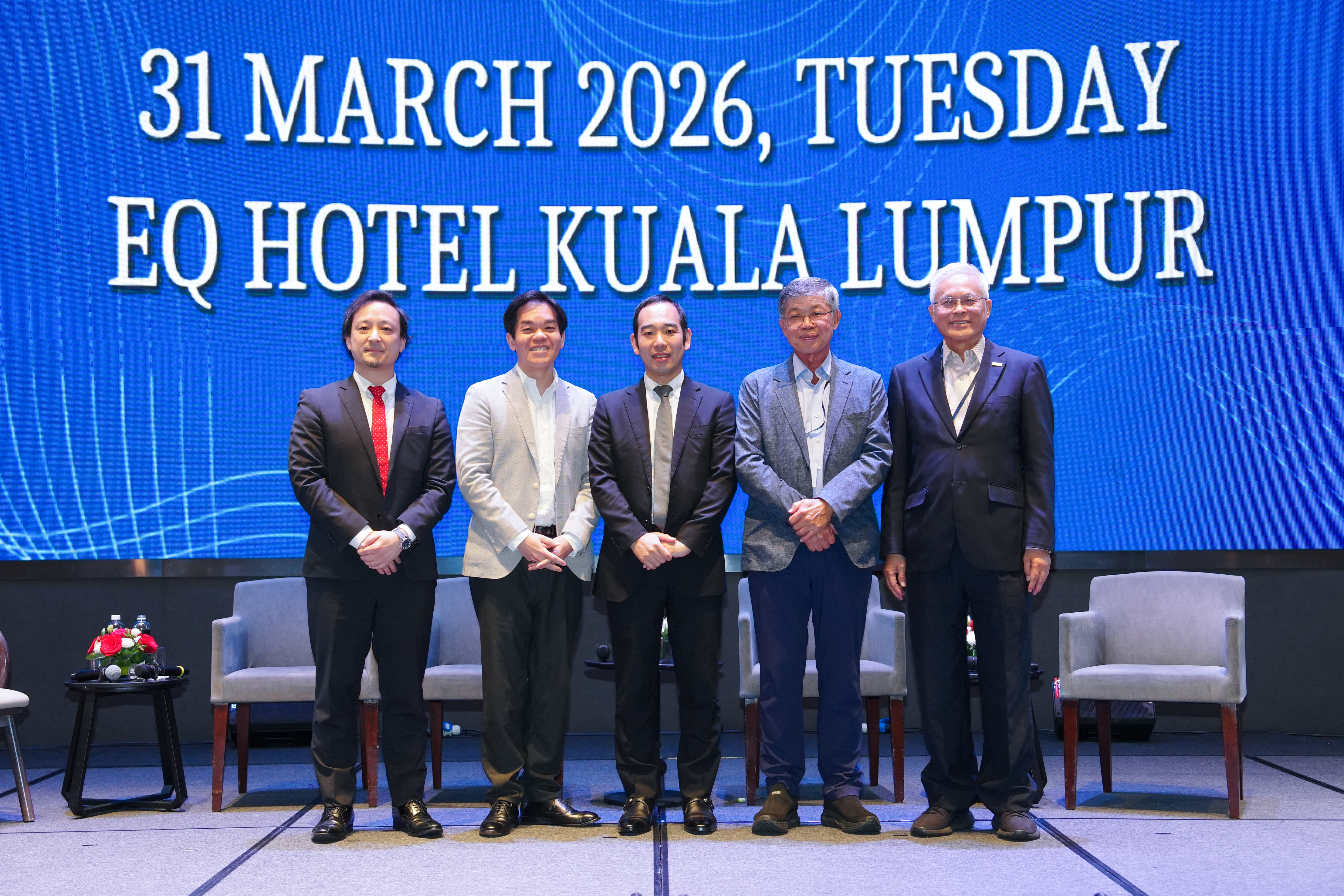
Opening Ceremony Group Photo (from left-to-right):
Mr Masuo Kuremura, Special Advisor to the Minister, Ministry of Economy, Trade and Industry (METI) Japan, Regional Head, Asia-Pacific, Datuk Seri Mohamed Iqbal, Vice-President, MAJECA, Tan Sri Azman Hashim, President, MAJECA, YB Datuk Seri Johari Abdul Ghani, Minister, Ministry of Investment, Trade and Industry (MITI) Malaysia, H.E. Noriyuki Shikata, Ambassador of Japan to Malaysia, Mr Tsuyoshi Nagano, President, JAMECA, Mr Masayuki Hyodo, Vice-President, JAMECA.
Special Session
Japan’s Growth Strategy
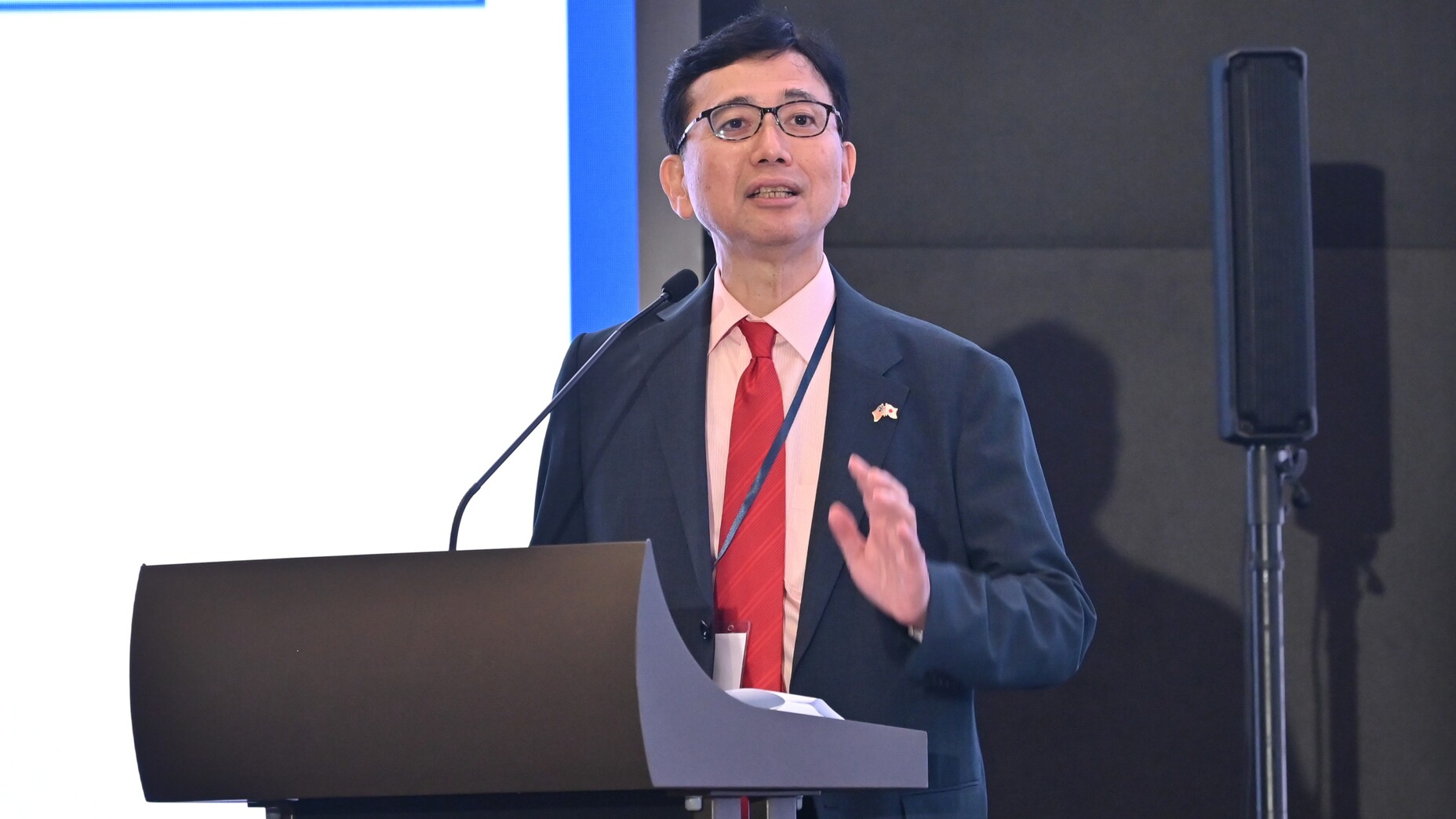
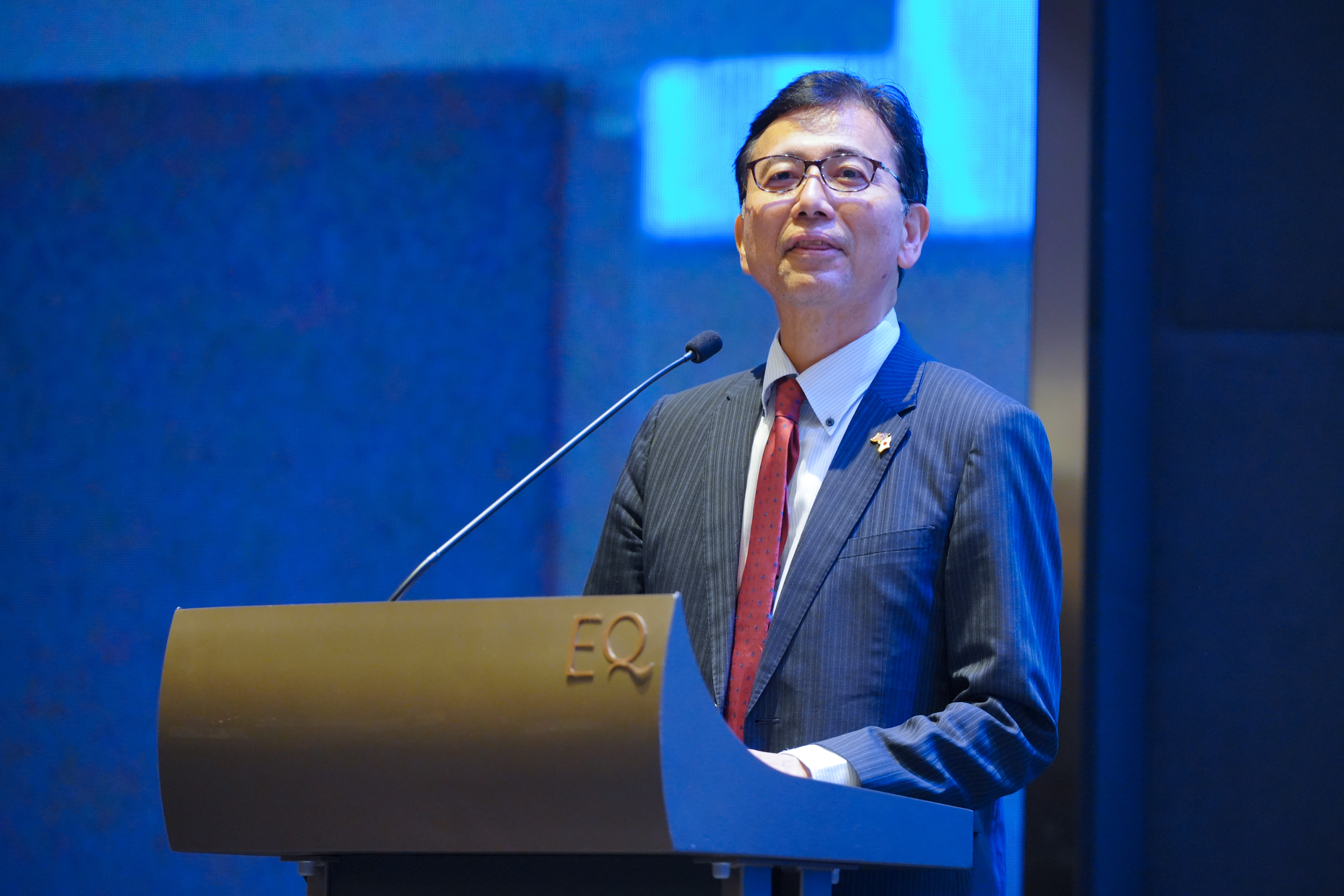
H.E. Noriyuki Shikata,
Ambassador of Japan to Malaysia delivered a presentation.
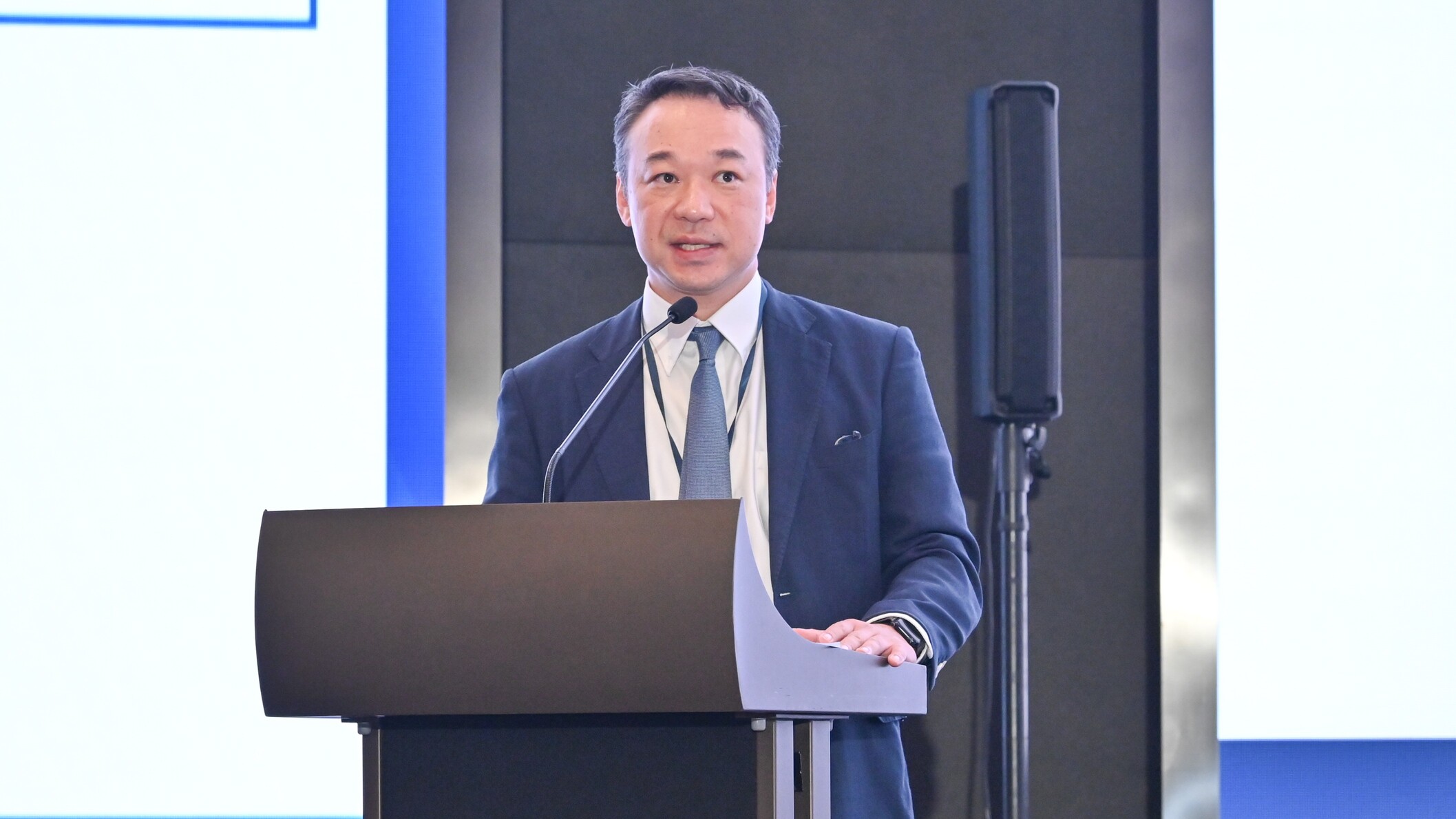
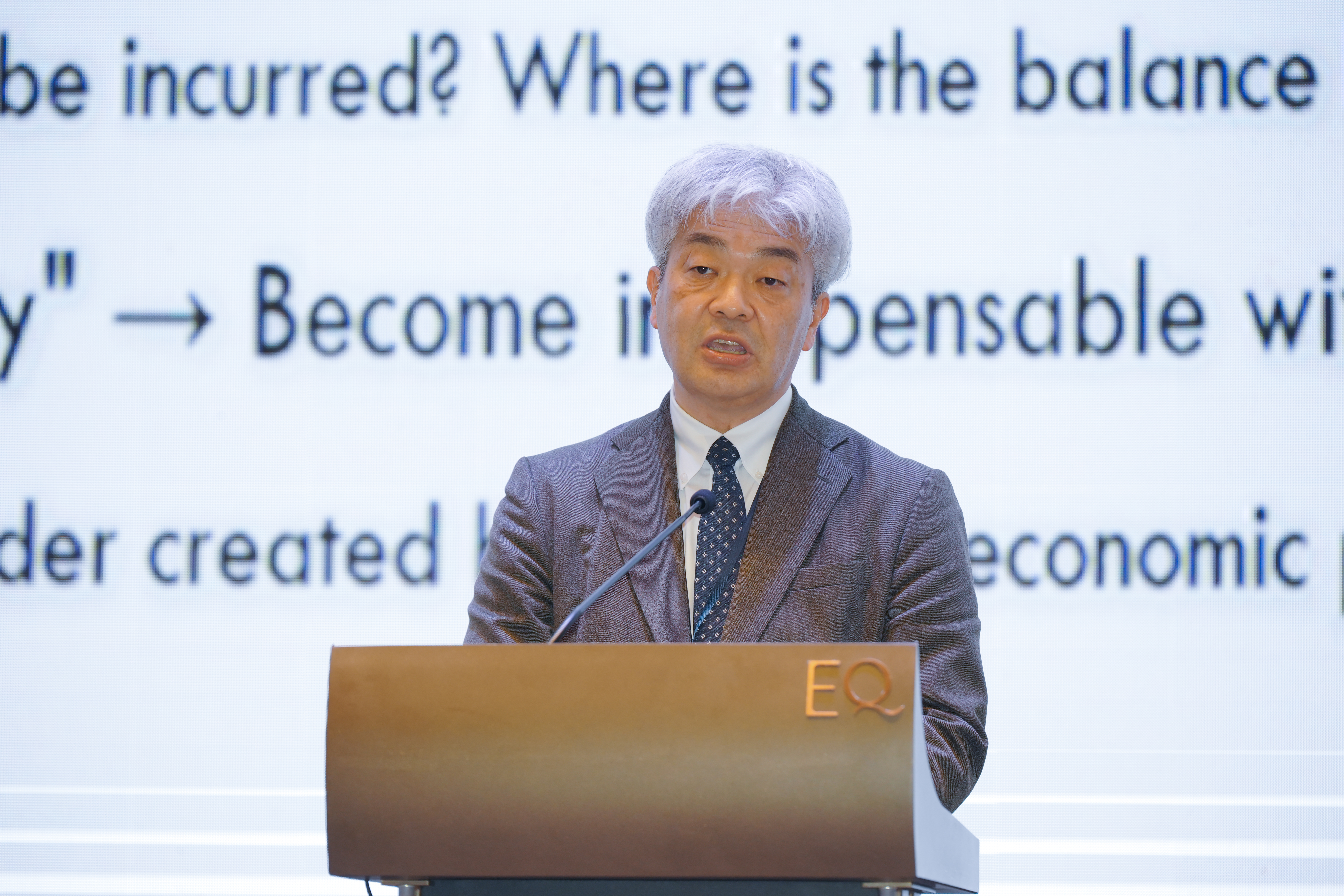
Mr Masuo Kuremura,
Special Advisor to the Minister, Ministry of Economy, Trade and Industry (METI) Japan, Regional Head, Asia-Pacific delivered his presentation.
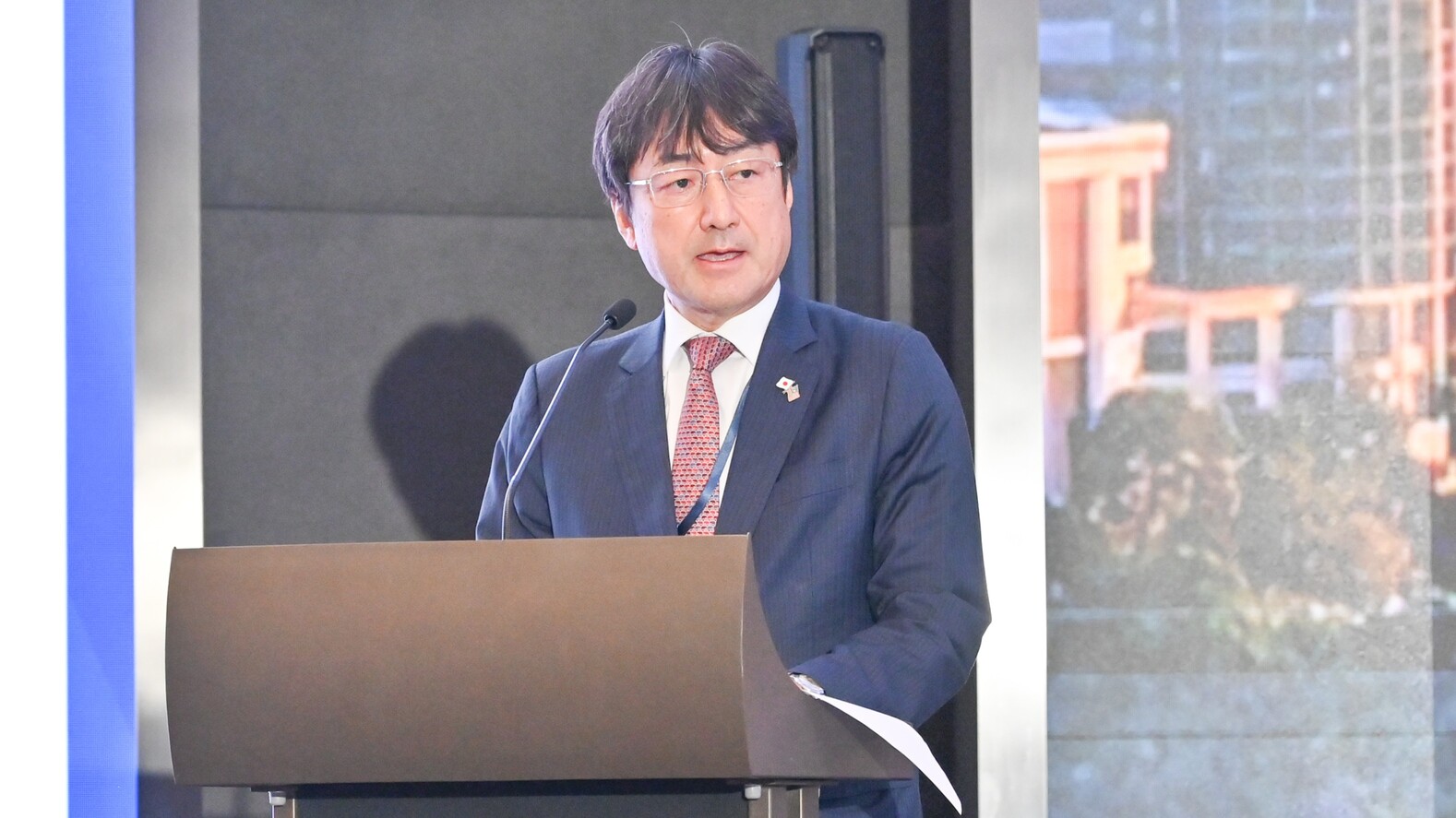
Mr Hiromitsu Narukama, President, Japanese Chamber of Trade and Industry, Malaysia (JACTIM) delivered his presentation.
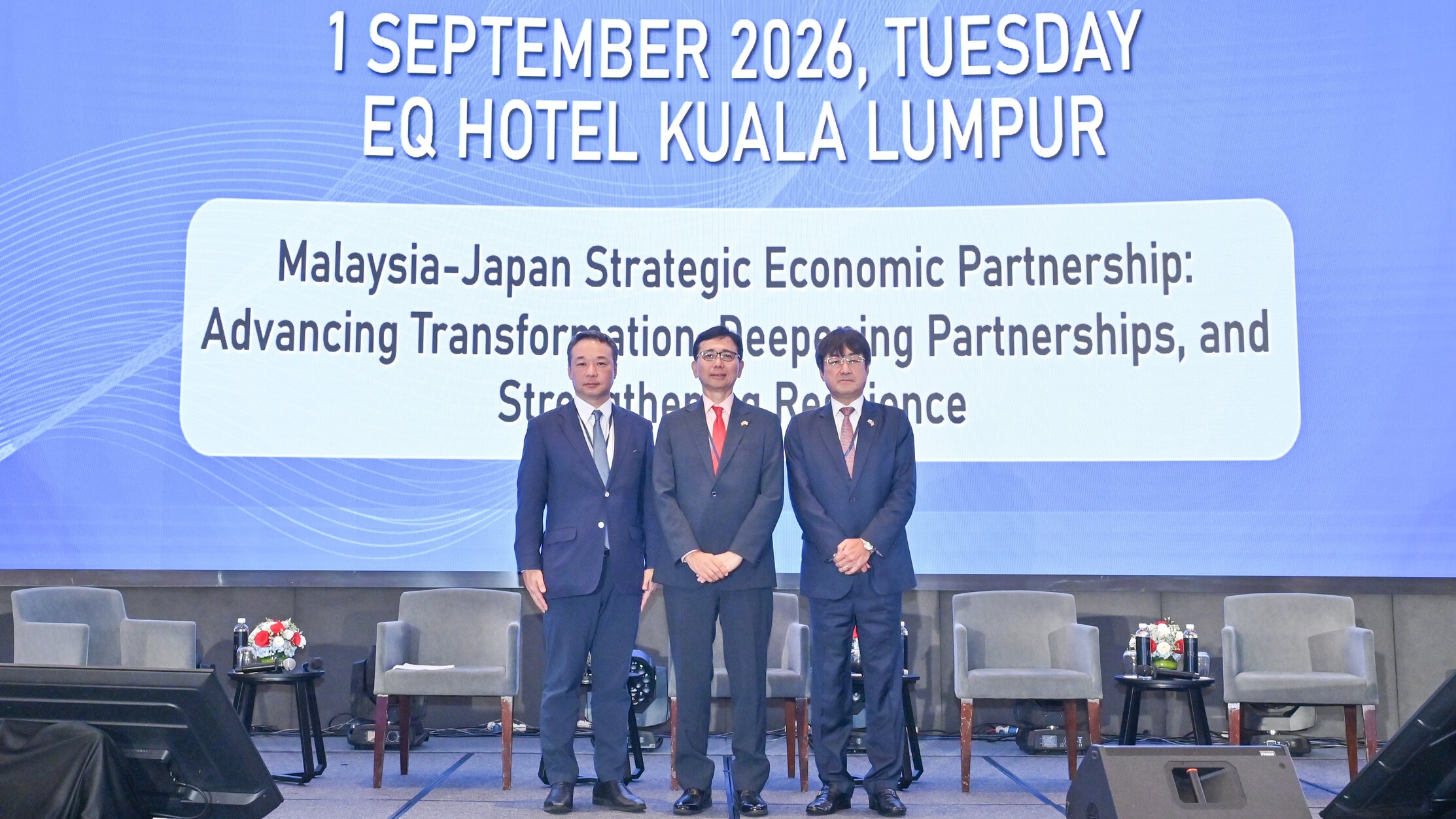
Special Session Group Photo (from left-to-right):
Mr Masuo Kuremura, Special Advisor to the Minister, Ministry of Economy, Trade and Industry (METI) Japan, Regional Head, Asia-Pacific, H.E. Noriyuki Shikata, Ambassador of Japan to Malaysia, and Mr Hiromitsu Narukama, President, Japanese Chamber of Trade and Industry, Malaysia (JACTIM).
Plenary Session 1
Advancing Technology & Industrial Transformation
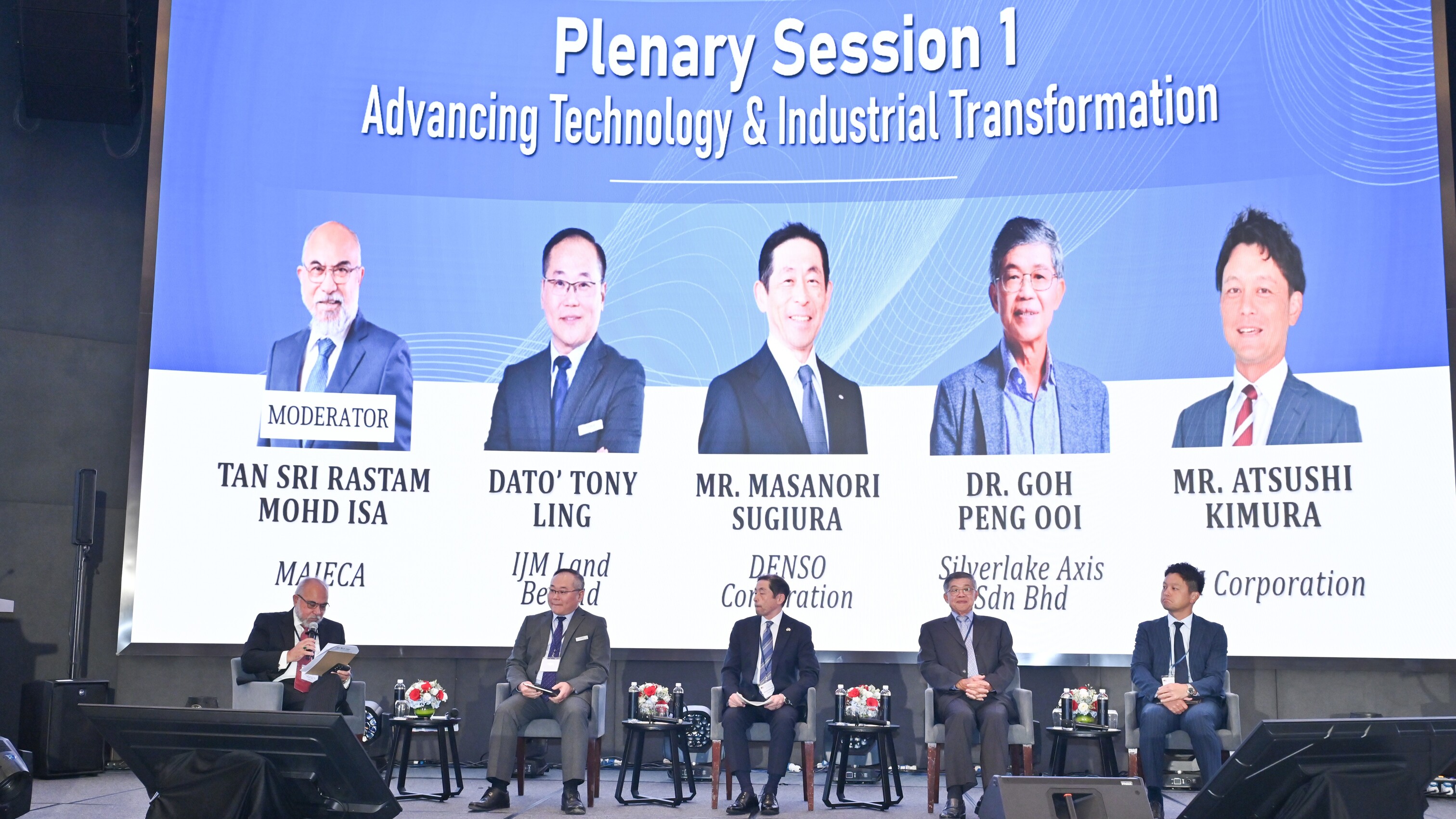
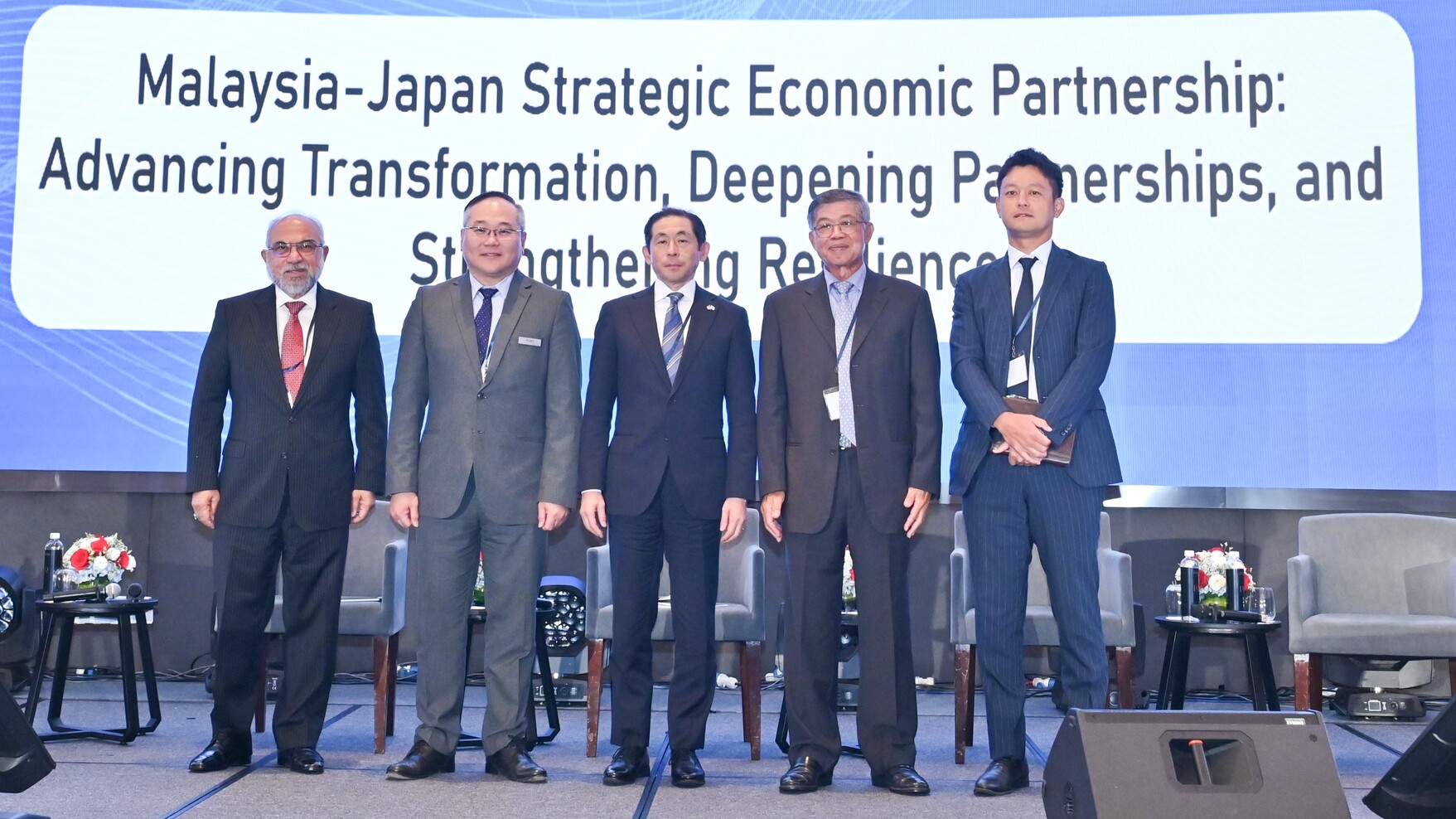
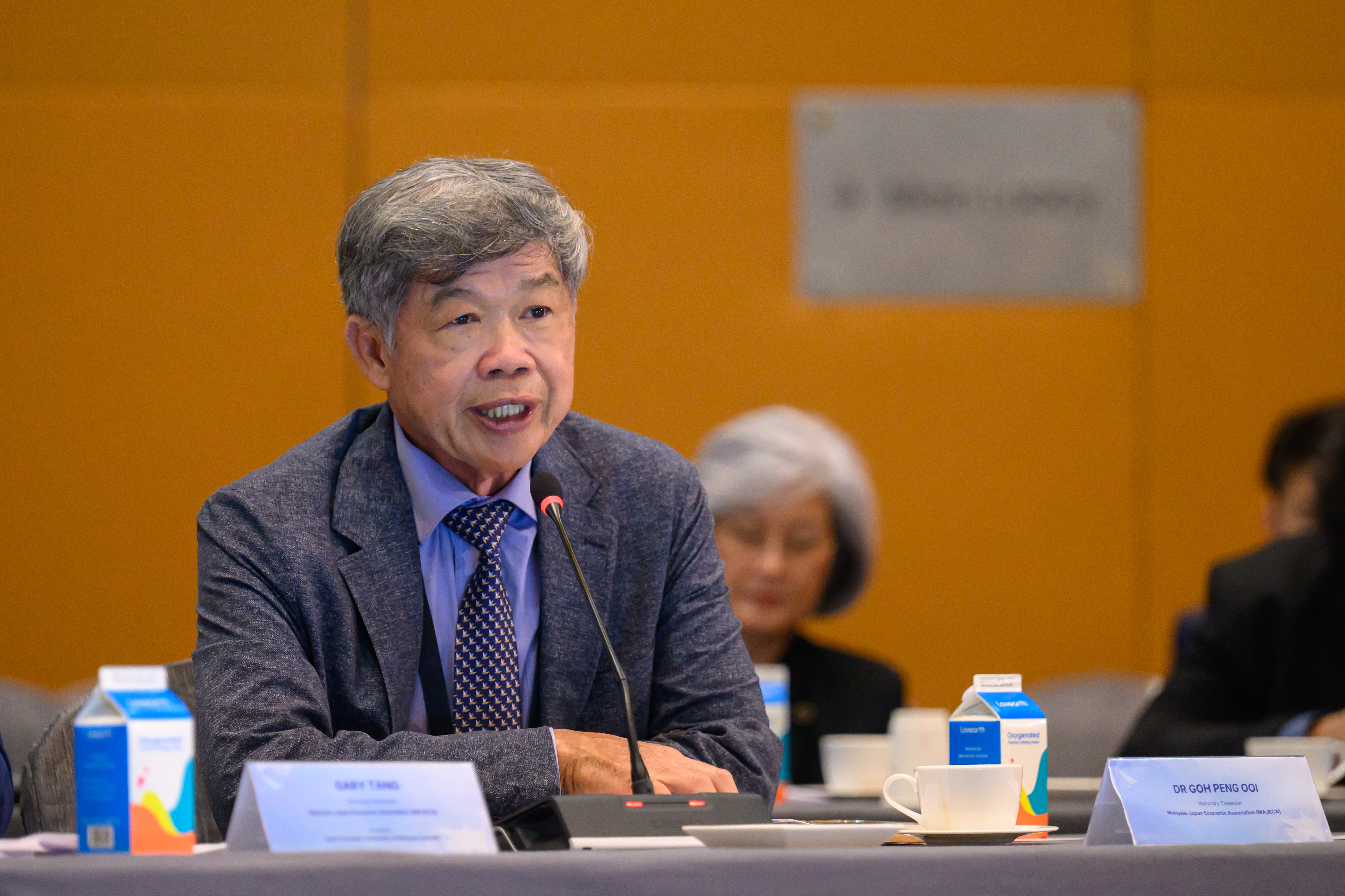
(from left-to-right) Tan Sri Rastam Mohd Isa, Executive Committee Member of MAJECA, Dato’ Tony Ling, Chief Executive Officer, IJM Land Berhad, Mr Masanori Sugiura, Operating Executive Officer, Head of Corporate Legal, IP & Public Affairs Headquarters, Audit Dept., DENSO Corporation, Dr Goh Peng Ooi, Founder & Executive Chairman, Silverlake Axis Sdn Bhd & President of AI Malaysia, and Mr Atsushi Kimura, Business Development Division, Country Manager, Malaysia, IHI Corporation.
Plenary Session 2
Deepening New Value Chain Partnerships
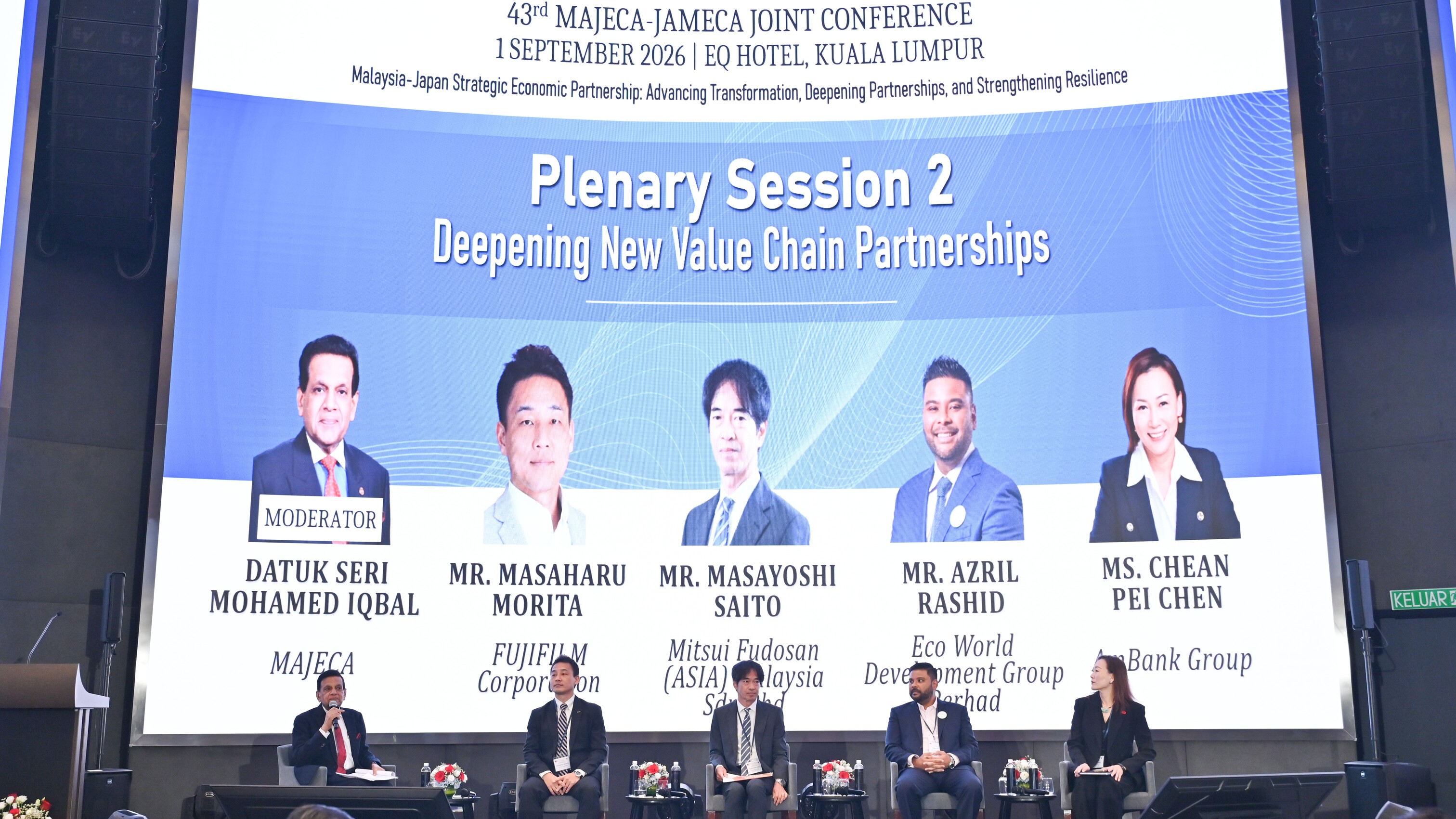
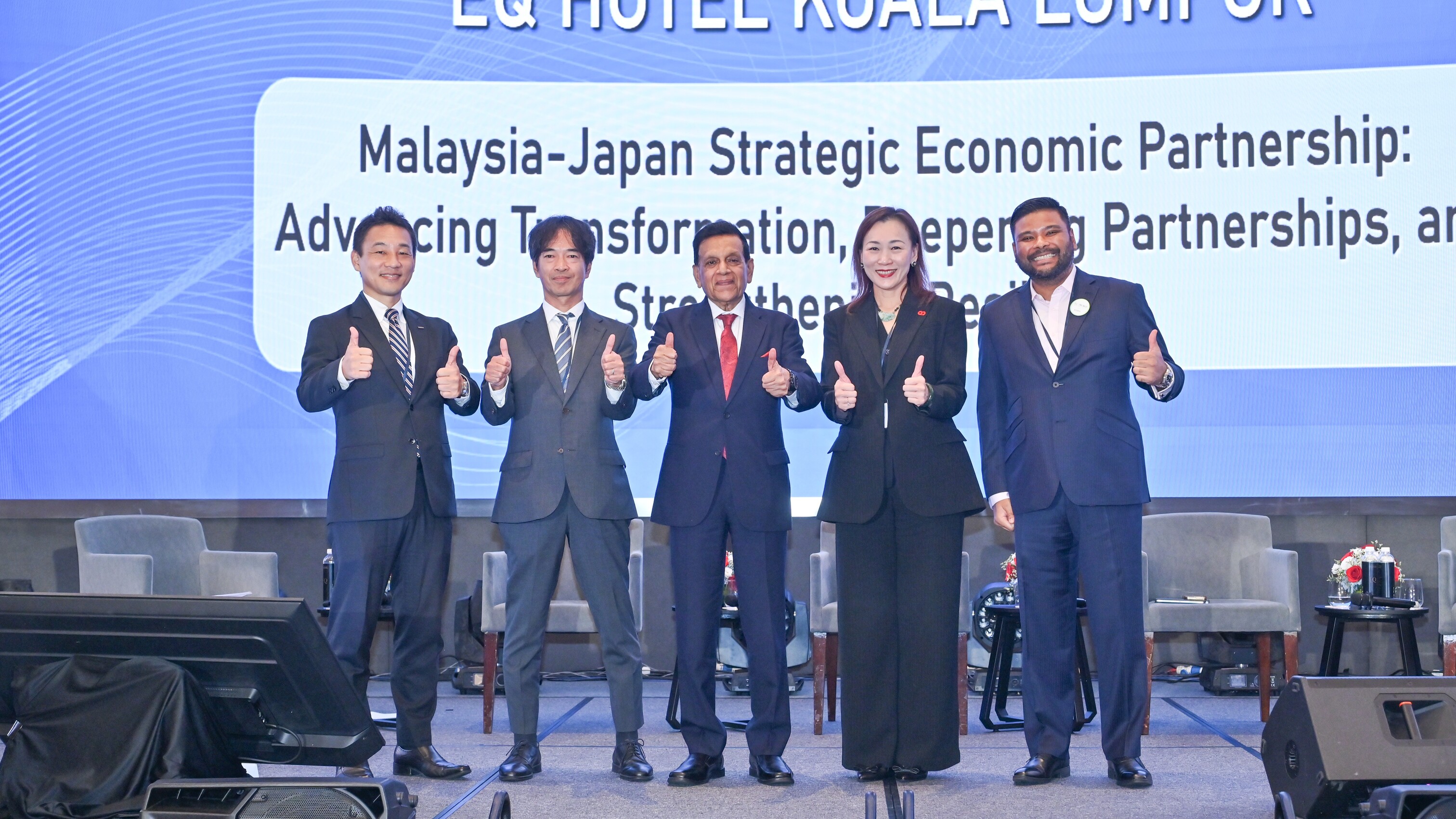
(from left-to-right) Mr Masaharu Morita, Head of New Business, Medical Div., FUJIFILM Corporation, Mr Masayoshi Saito, Managing Director, Mitsui Fudosan (ASIA) Malaysia Sdn Bhd, Datuk Seri Mohamed Iqbal, Vice-President, MAJECA, Ms Chean Pei Chen, Head, Wholesale Banking Coverage, Financial Institutions Group & Supply Chain Finance, AmBank Group, and Mr Azril Rashid, Chief Operating Officer, Bukit Bintang City Centre, cum Head, Integrated & Eco Hubs, Eco World Development Group Berhad.
Plenary Session 3
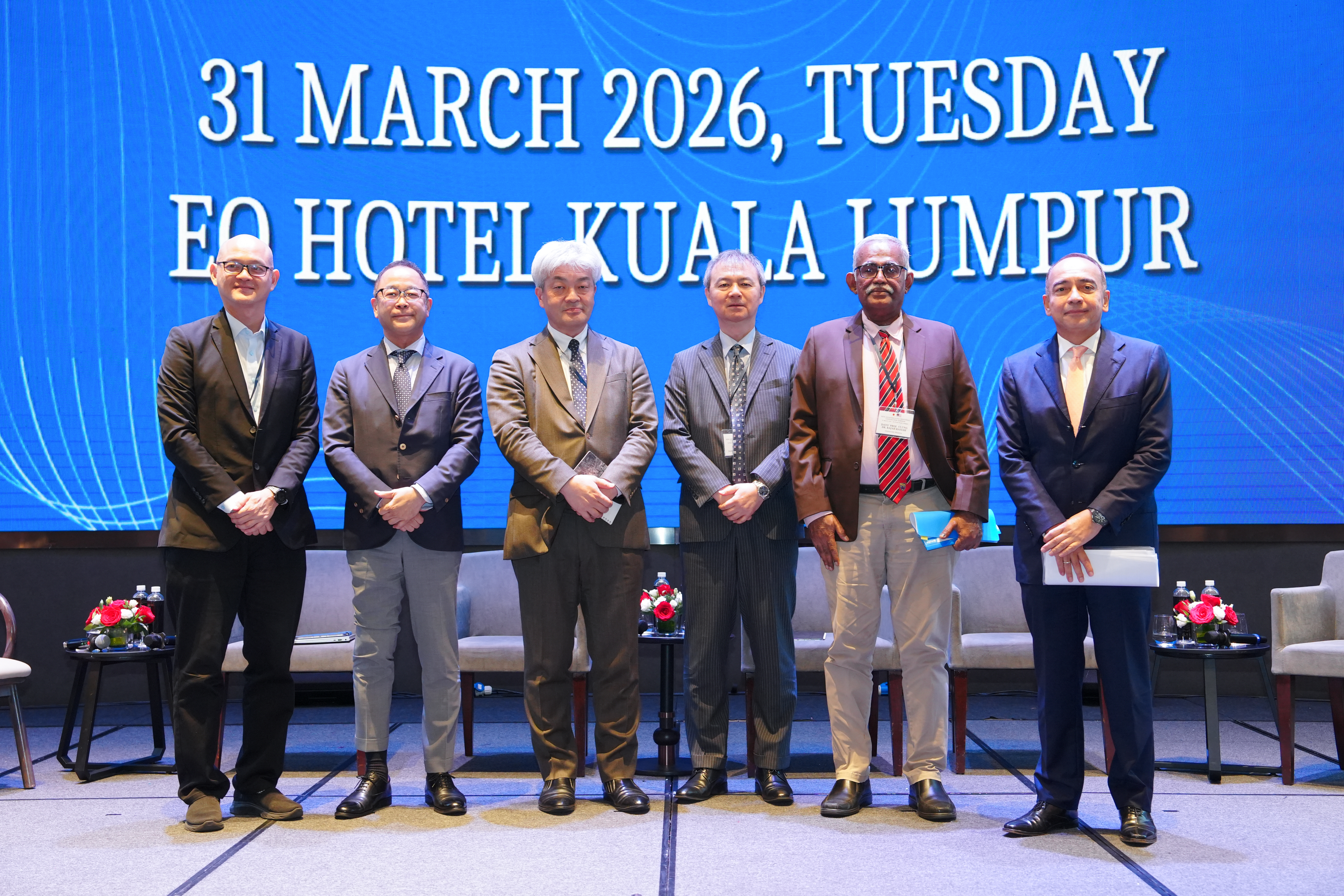
Strengthening Supply Chain Resilience
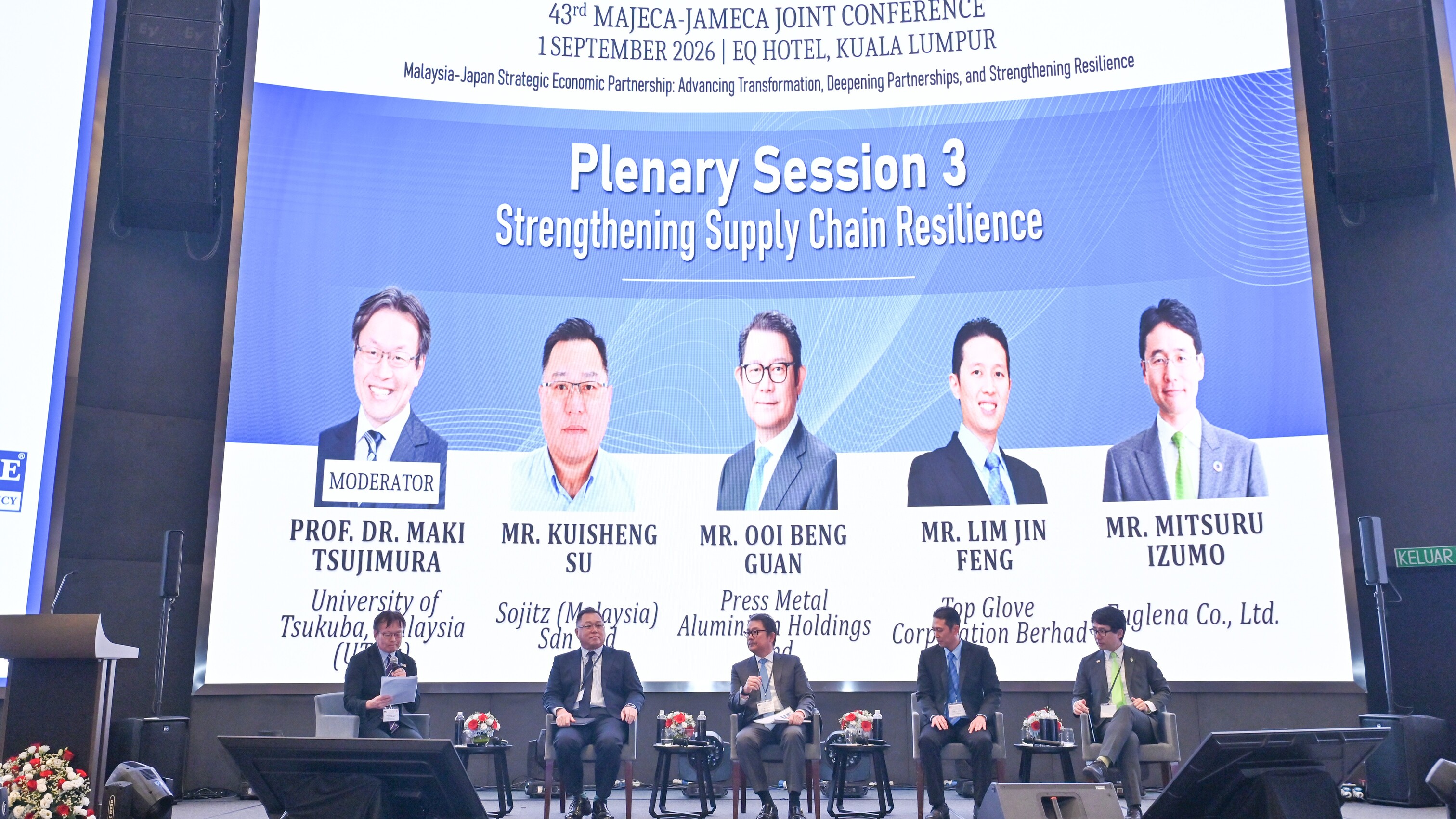
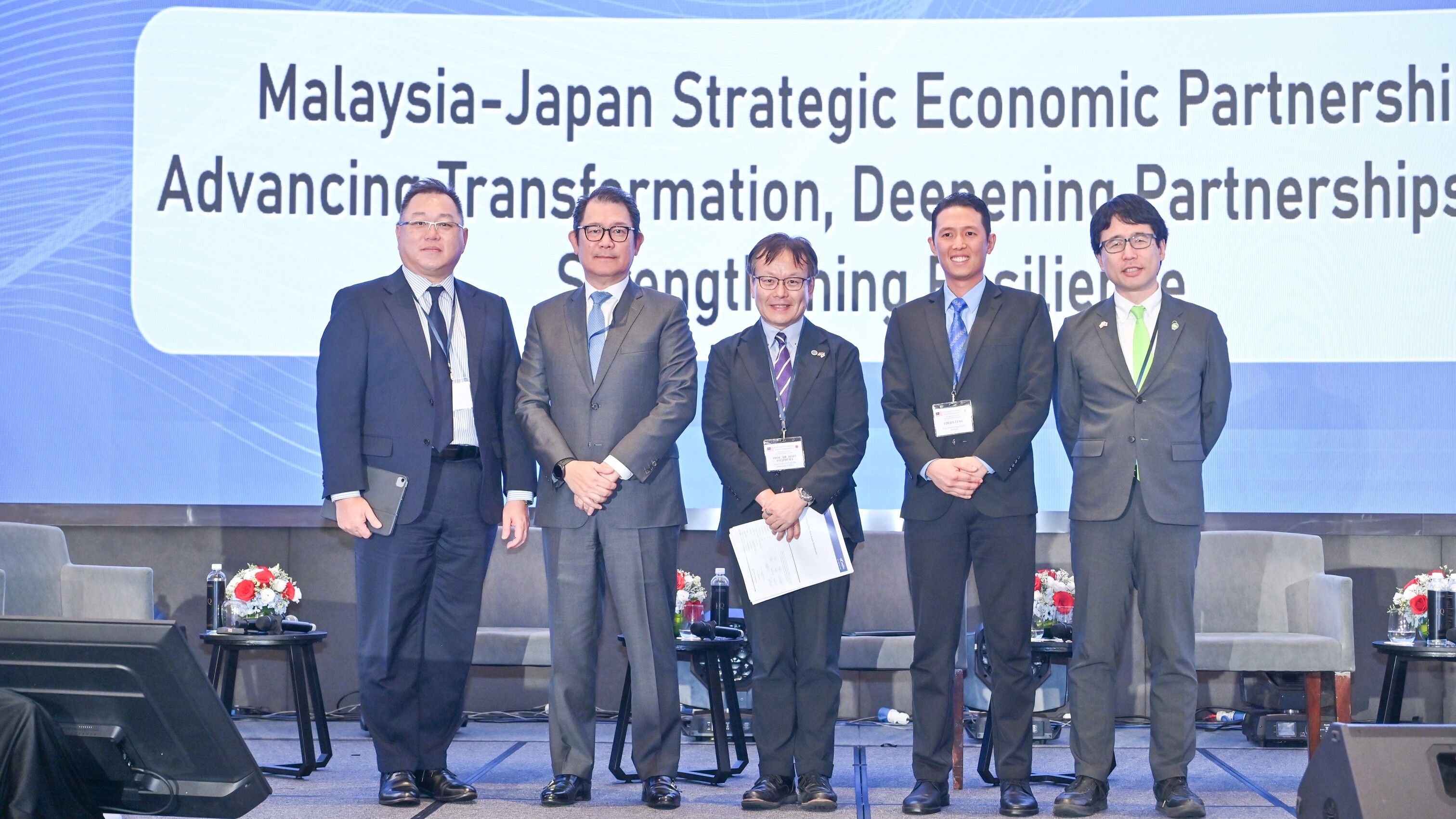
(from left-to-right) Mr KuiSheng Su, President, Sojitz (Malaysia) Sdn. Bhd., Mr Ooi Beng Guan, Deputy CEO, Press Metal Aluminium Holdings Bhd, Prof. Dr. Maki Tsujimura, Dean, School of Transdisciplinary Science and Design, University of Tsukuba, Malaysia (UTMy), Mr Lim Jin Feng, Joint Managing Director, Top Glove Corporation Berhad, and Mr Mitsuru Izumo, President and Representative Director, Euglena Co., Ltd.
Closing Ceremony
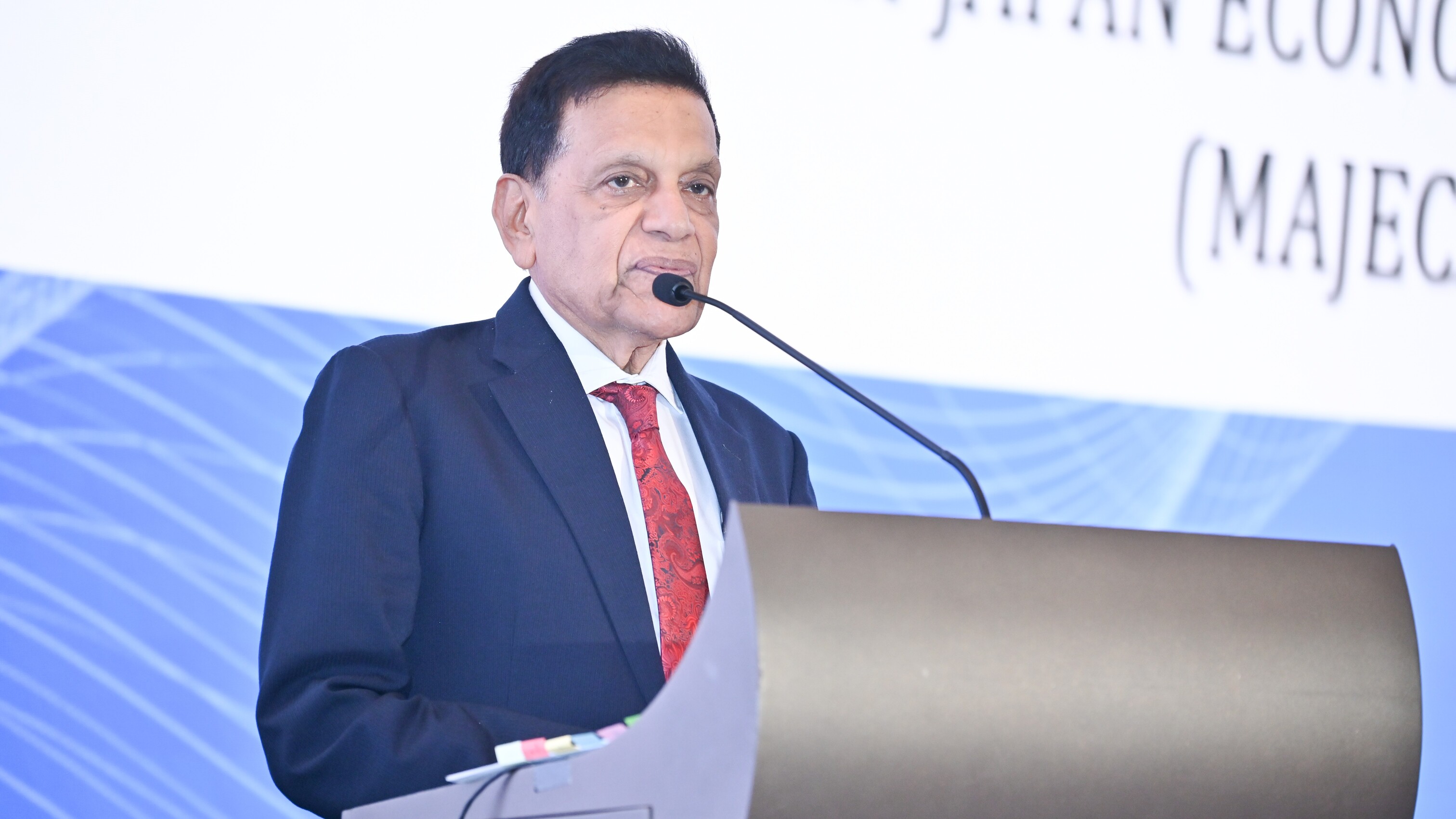
Datuk Seri Mohamed Iqbal, Vice-President, MAJECA delivered the Closing Remarks.
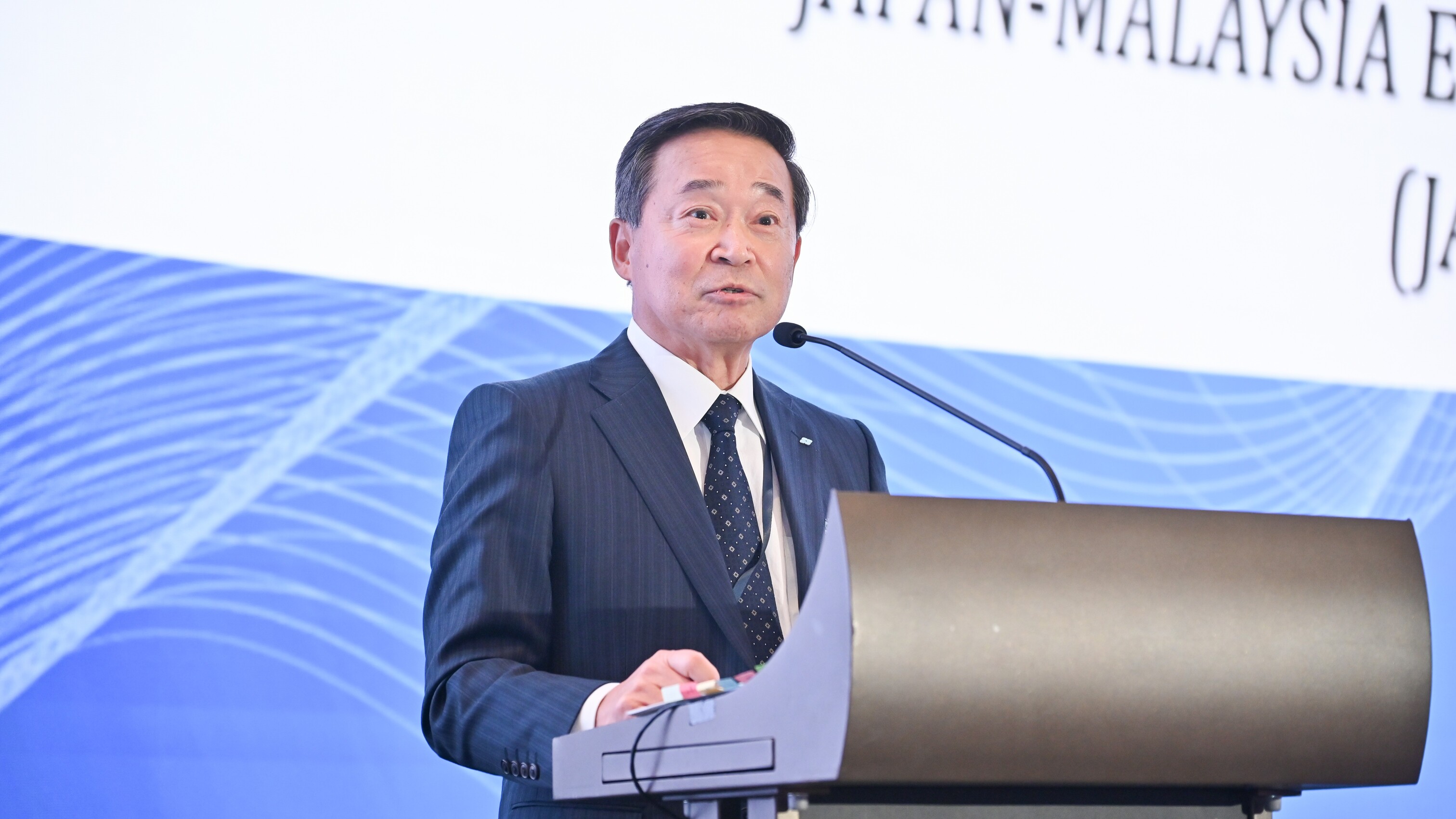
Mr Masayuki Hyodo, Vice-President, JAMECA delivered the Closing Remarks and announced the 44th JAMECA-MAJECA Joint Conference in Japan in 2027.
Dinner
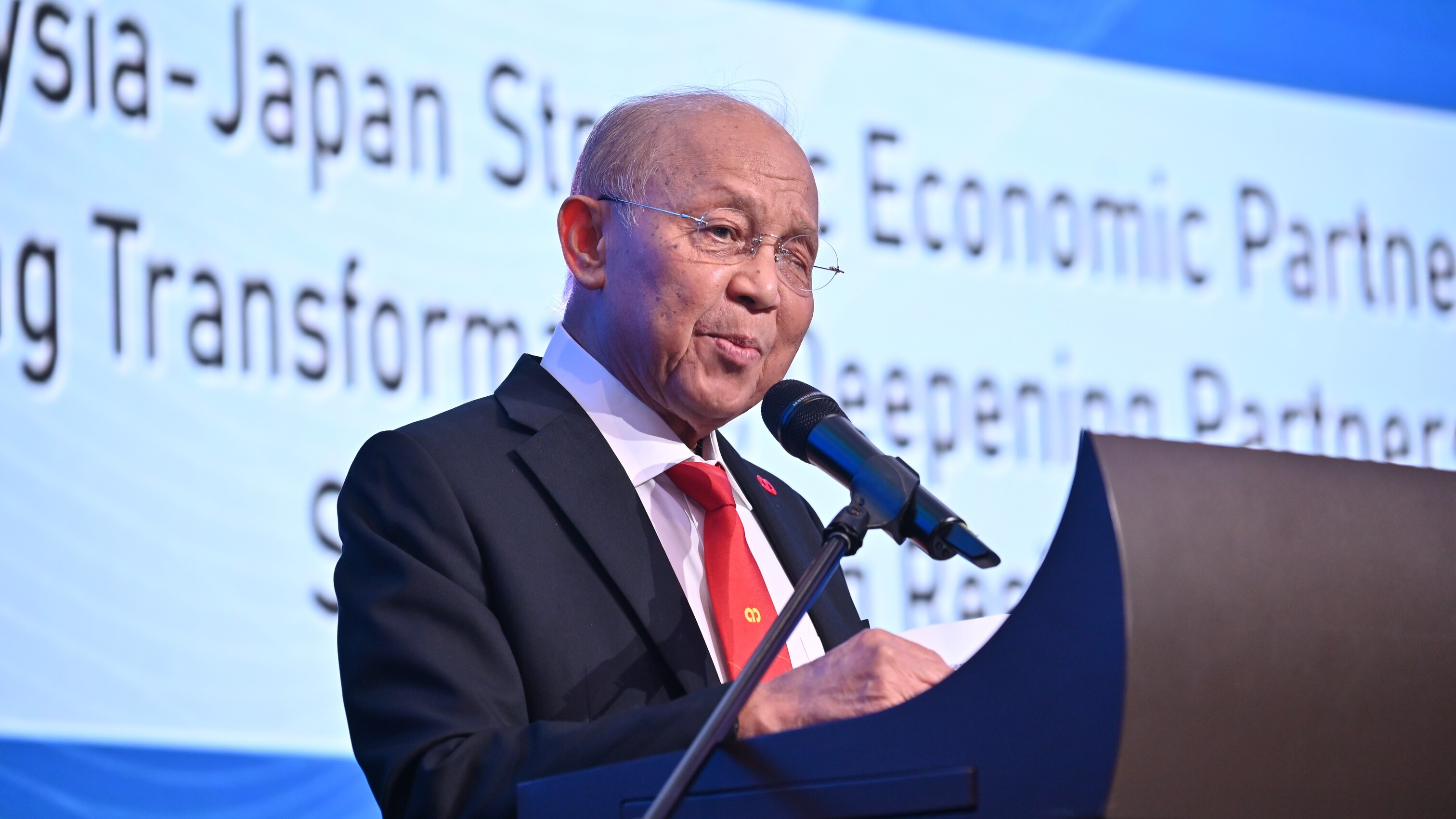
Tan Sri Azman Hashim, President, MAJECA delivered the Welcome Remarks for the Dinner and hosted the entertainment by the University of Malaya Orchestra, led by Prof. Nasir.
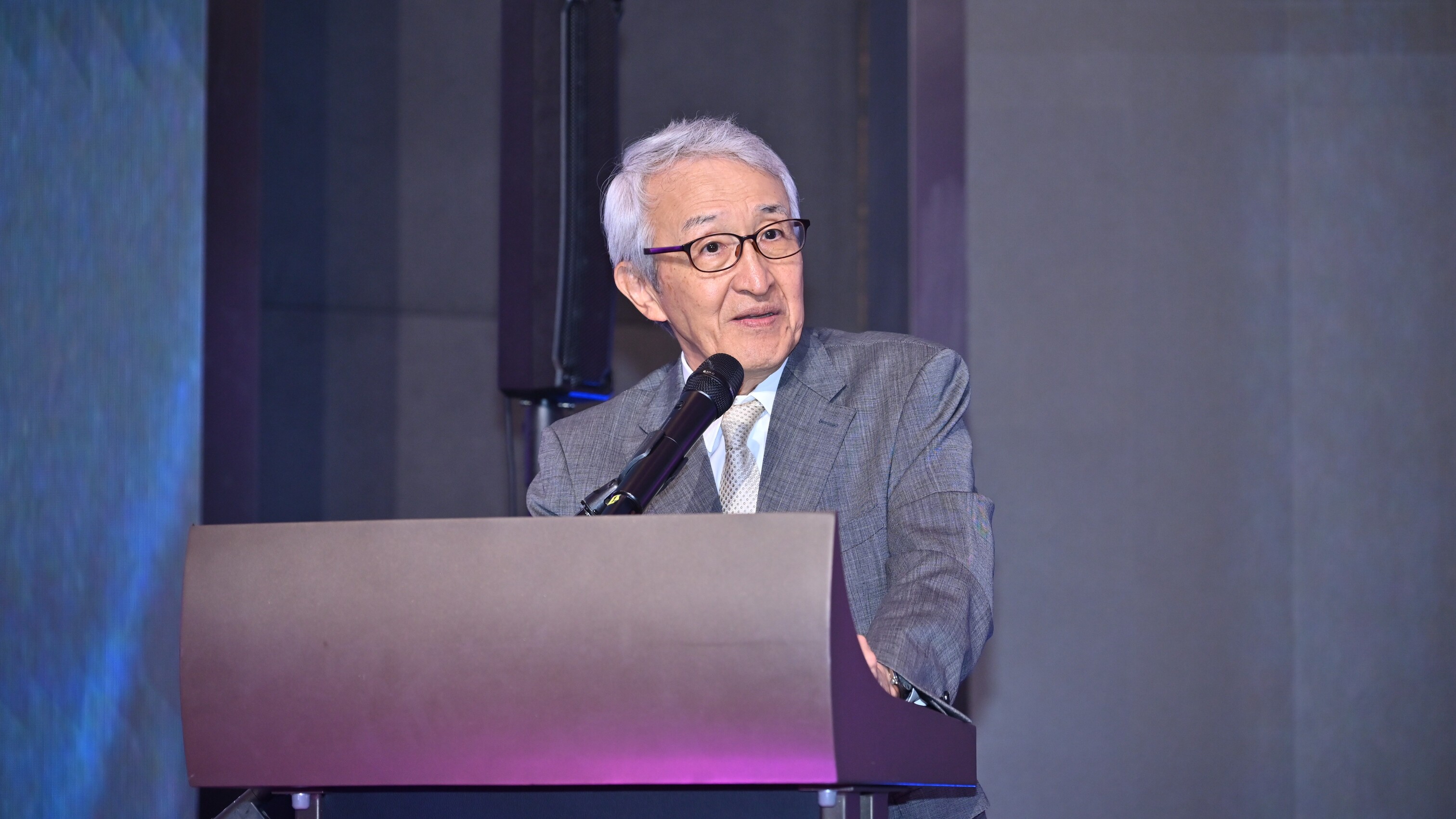
Mr Tsuyoshi Nagano, President, JAMECA delivered the Thank You Speech at the end of the Dinner.
PHOTO GALLERY
NEWSPAPER ARTICLES
The 43rd MAJECA – JAMECA Joint Conference has been covered in the following:
- Kerjasama Malaysia-Jepun semakin penting, di sebalik dominasi kuasa besar dunia, Buletin TV3, https://www.buletintv3.my/nasional/kerjasama-malaysia-jepun-semakin-penting-di-sebalik-dominasi-kuasa-besar-dunia/
- AS Dijangka Umum Hasil Siasatan Lebihan Kapasiti Dalam Tempoh Empat Minggu – Johari, BernamaBiz, https://www.bernamabiz.com/news-bm.php?id=2601585
- Dijangka umum hasil siasatan lebihan kapasiti dalam tempoh 4 minggu, Berita Harian, https://www.bharian.com.my/berita/nasional/2026/09/1614215/dijangka-umum-hasil-siasatan-lebihan-kapasiti-dalam-tempoh-4-minggu
- Malaysia-Japan trade rises 12pc, New Straits Times, https://www.nst.com.my/business/economy/2026/09/1523333/malaysia-japan-trade-rises-12pc
- Malaysia-Japan trade up 11.8% to US$23.3 bil in January-July 2026, says minister, The Edge Malaysia, https://theedgemalaysia.com/node/816395
- Johari Ghani: US forced labour issue resolved, excess capacity still pending, Malay Mail, https://www.malaymail.com/news/malaysia/2026/09/01/johari-ghani-us-forced-labour-issue-resolved-excess-capacity-still-pending/233510
- Ambassador Shikata Attends the 43rd MAJECA-JAMECA Joint Conference, Embassy of Japan in Malaysia, https://www.my.emb-japan.go.jp/itpr_en/newinfo_09092026.html
In conjunction with the 43rd MAJECA-JAMECA Joint Conference, the Japan Graduates’ Association of Malaysia (JAGAM) had invited MAJECA to its JAGAM-ASCOJA Networking Dinner on 2 September 2026 at Zezz Residence hosted by JAGAM Hon. Patron, Dr Goh Peng Ooi, Vice-President, MAJECA. The Dinner was graced by H.E. Noriyuki Shikata, Ambassador of Japan to Malaysia.
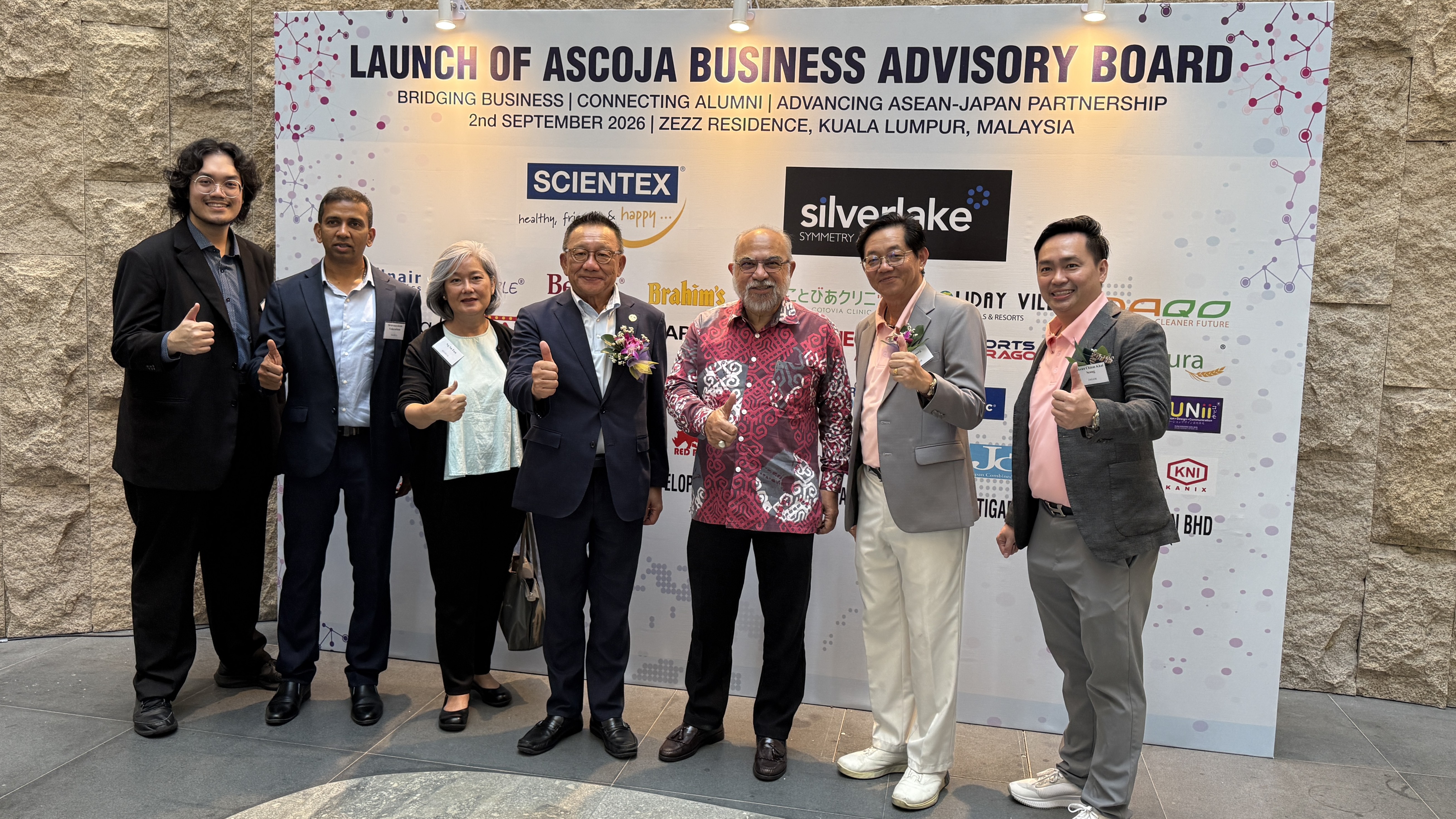
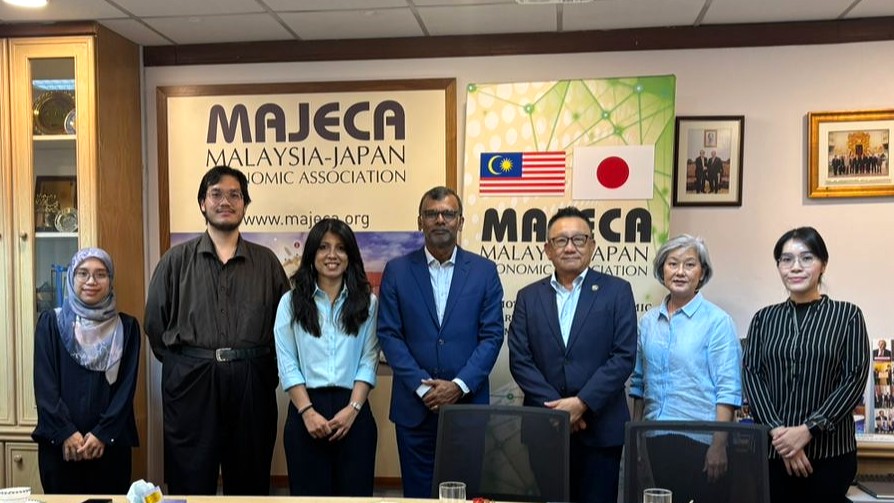
(from left-to-right) Mr Samuel Loh, Programme Executive, MAJECA, Mr Sivavenayakam Velayutham, Executive Committee Member of MAJECA, Ms Ng Su Fun, Executive Secretary, MAJECA, Mr Gary Tang, Hon. Secretary, MAJECA and President of JAGAM, Tan Sri Rastam Mohd Isa, Executive Committee Member of MAJECA, Mr John Leong, Chairman of JAGAM Southern Branch, and Mr Shaun Chiam Khai Seong, Chairman of JAGAM Northern Branch.