
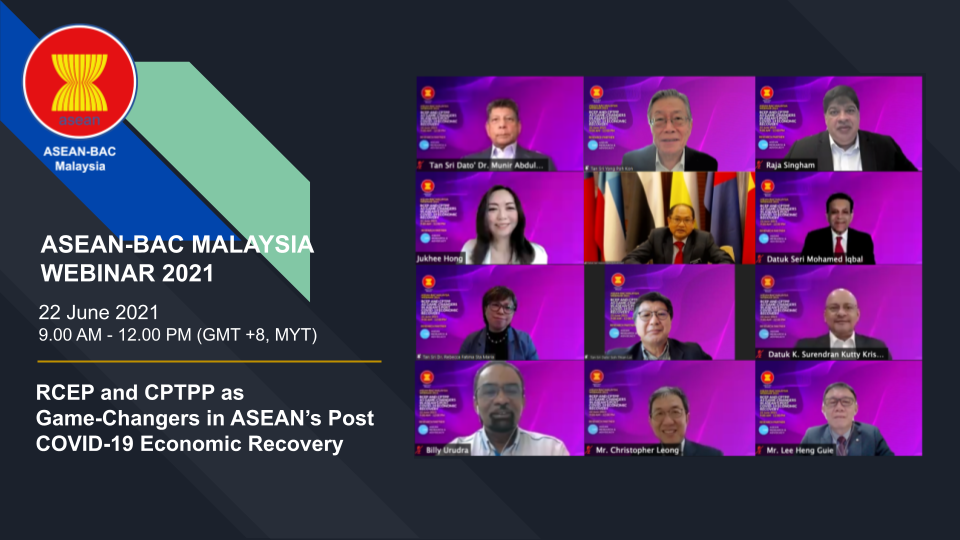
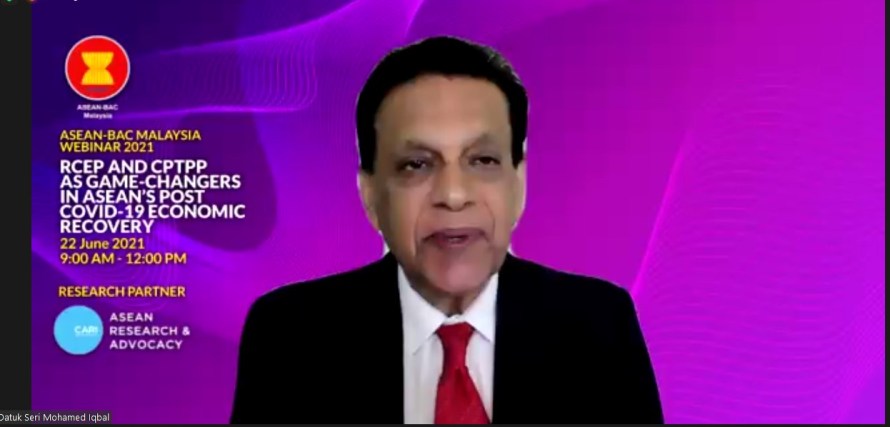
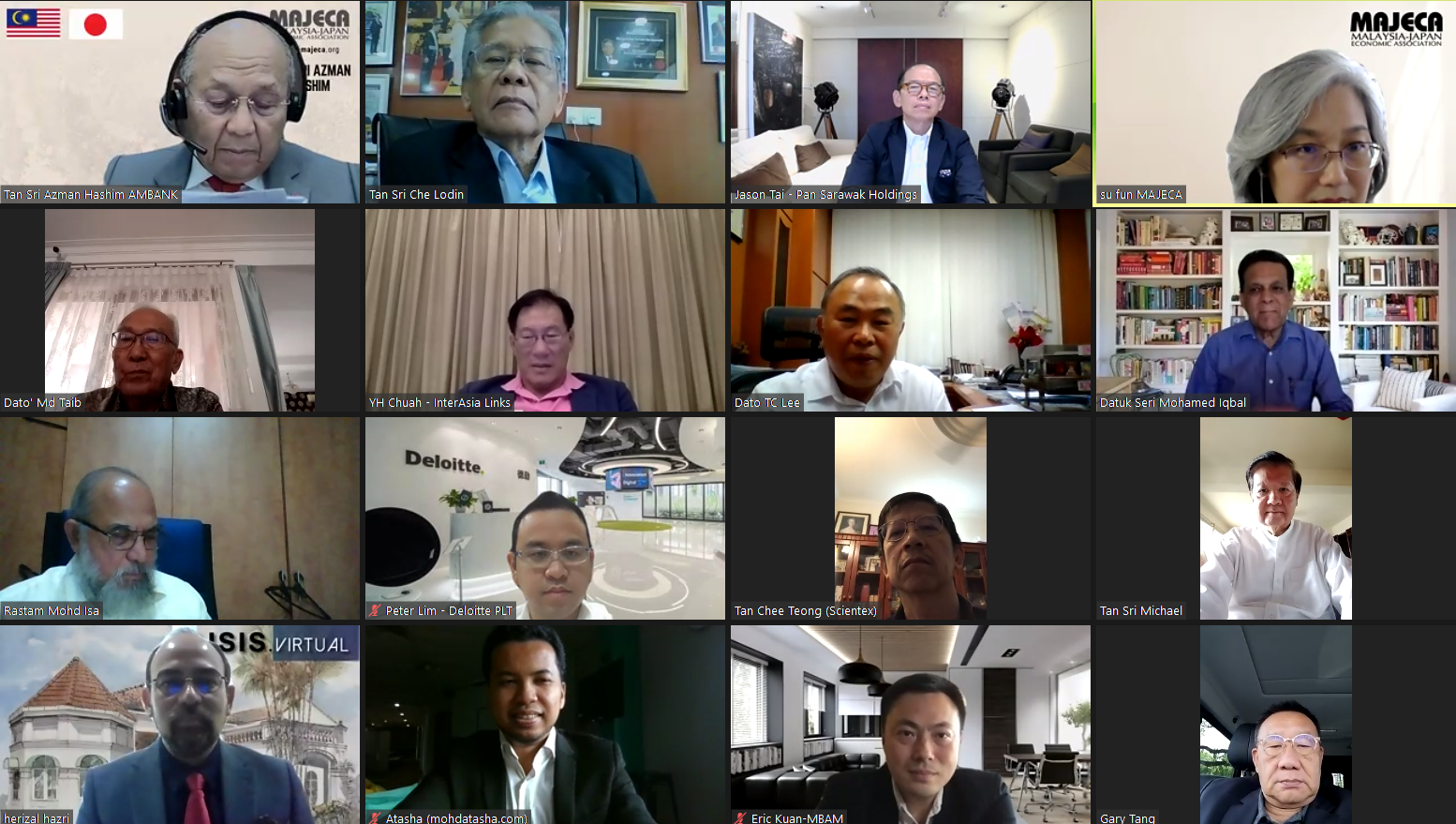
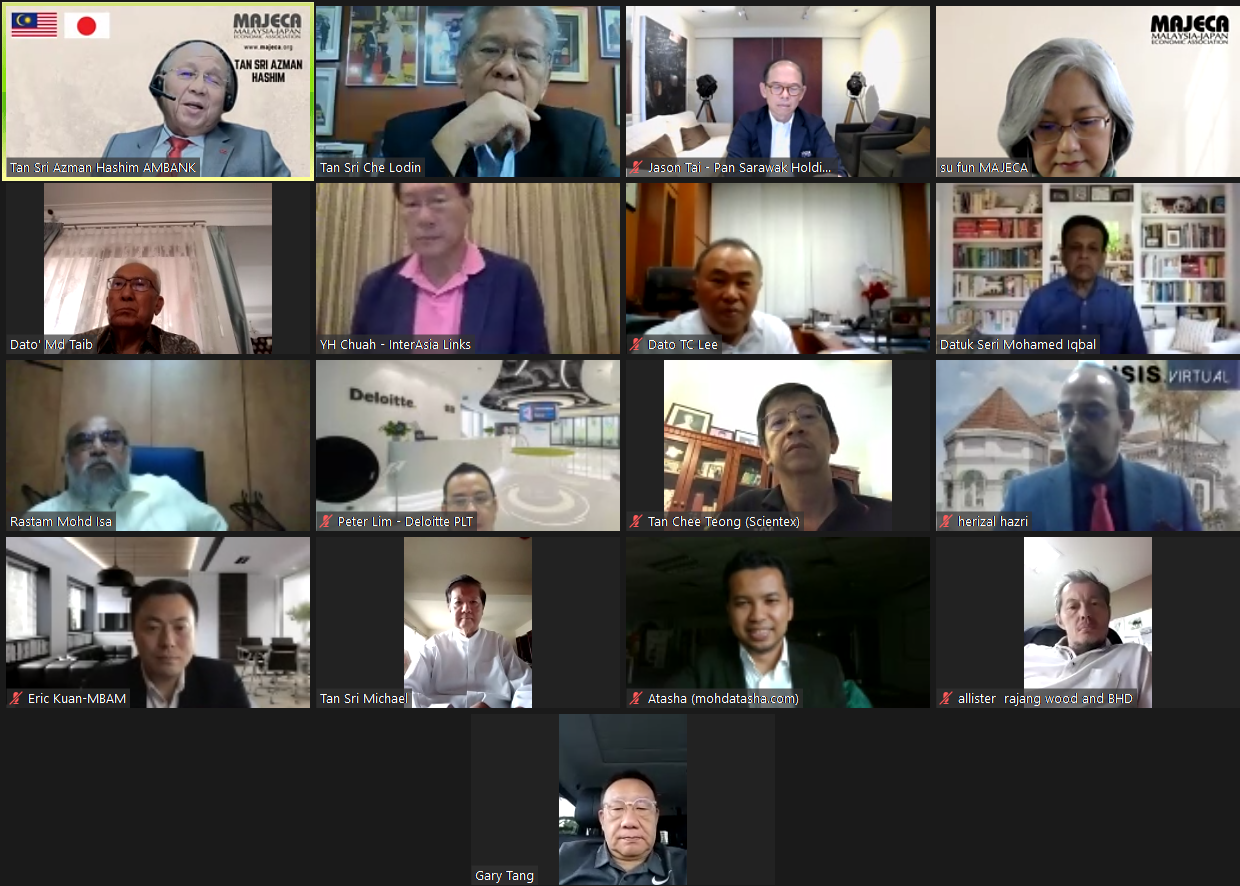
The ASEAN-BAC Malaysia Webinar was held on 22 June 2021 titled “RCEP and CPTPP as Game-Changers in ASEAN’s Post COVID-19 Economic Recovery” involved a private sector bodies such as representatives of Malaysian trade associations, chambers of commerce, professional bodies, and foreign business associations and business councils. MAJECA, represented by Datuk Seri Mohamed Iqbal was a speaker in Panel 1 of the webinar to discuss “How can Malaysia capitalise on RCEP to reduce the trade deficit between Malaysia-Japan?”.
The following is the media release provided by ASEAN Business Advisory Council Malaysia, titled ‘Private Sector in Malaysia led by the ASEAN Business Advisory Council Malaysia calls for RCEP and CPTPP to be Ratified by end-2021’. For more information please visit http://aseanbac.com.my/
MEDIA RELEASE: Private Sector in Malaysia led by ASEAN Business Advisory Council Malaysia calls for RCEP and CPTPP to be ratified by end-2021
Kuala Lumpur, 22 June 2021 — A large group of private sector bodies led by the ASEAN Business Advisory Council (ASEAN-BAC) Malaysia released a joint memorandum urging the government to ratify the Regional Comprehensive Economic Partnership (RCEP) and Comprehensive and Progressive Agreement for Trans-Pacific Partnership (CPTPP) by the end of 2021 to allow Malaysia to gain an early mover’s advantage in positioning itself as a gateway to nearly a third of the world’s population through the ASEAN, RCEP, and CPTPP markets.
According to the memorandum, early ratification of the RCEP and CPTPP would enable Malaysian businesses to gain market access, to better source for raw materials and integrate their supply chains with other RCEP and CPTPP markets, derive greater certainty concerning intellectual property rights, as well as promote greater transparency, information sharing, trade facilitation, economic cooperation, and coherence in e-commerce regulations.
The memorandum of support was signed by representatives of Malaysian trade associations, chambers of commerce, professional bodies, and foreign business associations and business councils on the occasion of the ASEAN-BAC Malaysia webinar on 22 June 2021 titled “RCEP and CPTPP as Game-Changers in ASEAN’s Post COVID-19 Economic Recovery.”
Click here to view the Memorandum of Support video (above).
Click here to view the Memorandum of Support.
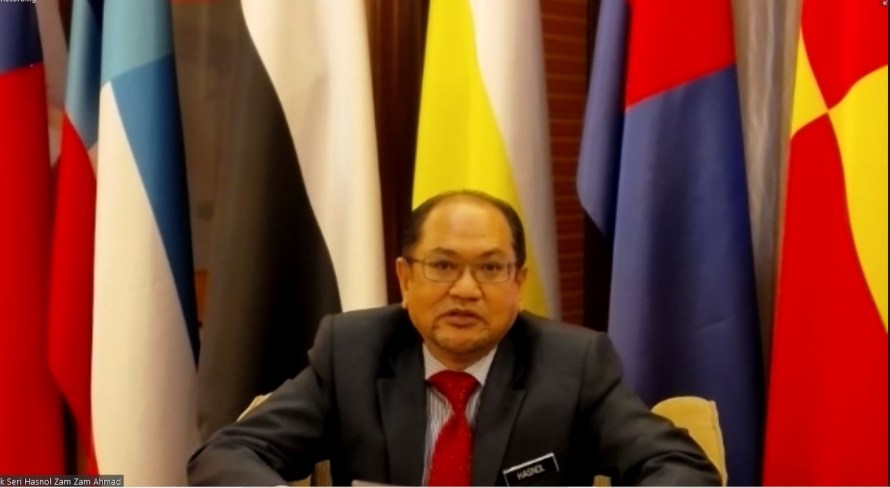
Ministry of Domestic Trade and Consumer Affairs (DTCA) Secretary-General Datuk Seri Hasnol Zam Zam Ahmad, for his special address said, “The government is committed to ensuring that the post-pandemic economic recovery process is implemented in a structured and timely manner and that free trade agreements such as the RCEP will certainly help in the recovery of domestic businesses.”
ASEAN-BAC Malaysia Chairman Tan Sri Dato’ Dr. Munir Majid noted that political uncertainties are unconducive for business and the economy causing key strategic decisions such as ratifying the RCEP and CPTPP to be delayed and Malaysia losing its first-mover advantage.
“Greater dependence is now on the civil service to be professional to drive home the point the country cannot be falling back. Businesses too, particularly the SMEs, should be well prepared to seize the opportunities and to face challenges in a highly competitive global environment,” said Tan Sri Dr. Munir Majid.
1. Ratify the RCEP and CPTPP at the soonest to accelerate Malaysia’s post-pandemic recovery
Ratification of the RCEP and CPTPP remains one of the private sector’s top recommendations to help businesses bounce back from the impact of the COVID-19 pandemic, according to the ASEAN-BAC Malaysia’s Pathway for Malaysia 2021 report which contains 137 recommendations for economic recovery from the private sector.
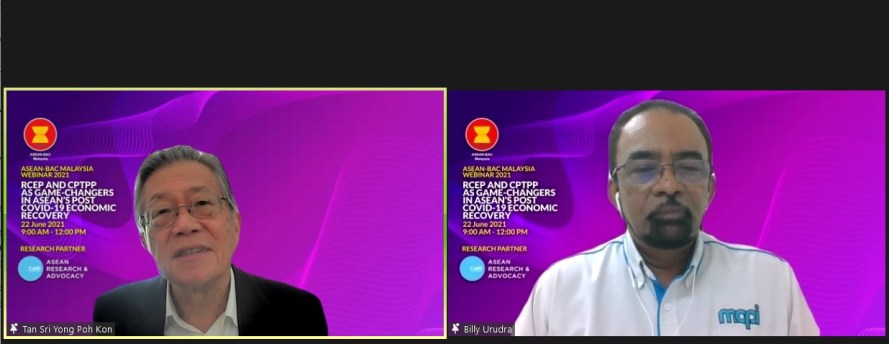
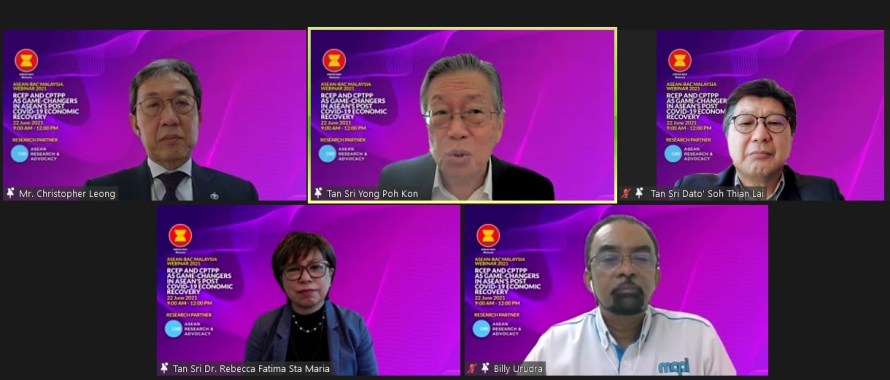
“Malaysia has spent many years negotiating these landmark agreements and should therefore ratify them quickly to take advantage of the opportunities they present, especially for our post-pandemic recovery,” said ASEAN-BAC Malaysia Council Member Tan Sri Yong Poh Kon.
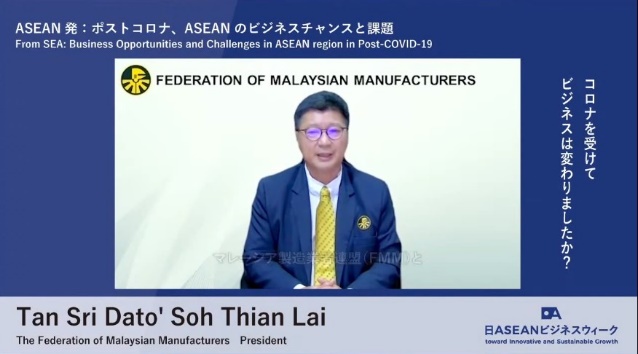
Supporting this view, the Federation of Malaysian Manufacturers (FMM) President Tan Sri Dato’ Soh Thian Lai said that, “While the signing of the RCEP and CPTPP was a significant achievement for the country, the government must hasten to ratify them to stabilize manufacturing activities and rebuild supply chain connectivity in the region.”
The Socio-Economic Research Centre (SERC) of ACCCIM’s Executive Director Lee Heng Guie concurs, saying that the country is counting on the speedy implementation of this mega trade deal to secure a strong export-led economic recovery. “The tariff reductions that the RCEP promises are important, so too are the other non-tariff benefits such as enhanced trade, services and investment facilitation, including the easing of trade procedures,” added the economist.
Such benefits would be particularly beneficial in the supply chain industry, according to ASEAN-BAC Malaysia Council Member Raja Singham, since these trade deals would allow Malaysia to further integrate Malaysia’s border trades and expand the country’s access to trade and investment opportunities.
2. RCEP and CPTPP membership will bolster Malaysia’s reputation as a pro-business economy
“What will Malaysia lose from not ratifying the CPTPP, which potentially sets the standard for international trade rules going forward?” asks Asia-Pacific Economic Cooperation (APEC) Secretariat Executive Director and former MITI Secretary-General Tan Sri Dr. Rebecca Fatima Sta Maria.
“Malaysia will eventually be subjected to such rules as it is an open economy and CPTPP members who have committed to rules and disciplines will be seen to be more attractive and business-friendly,” she said.
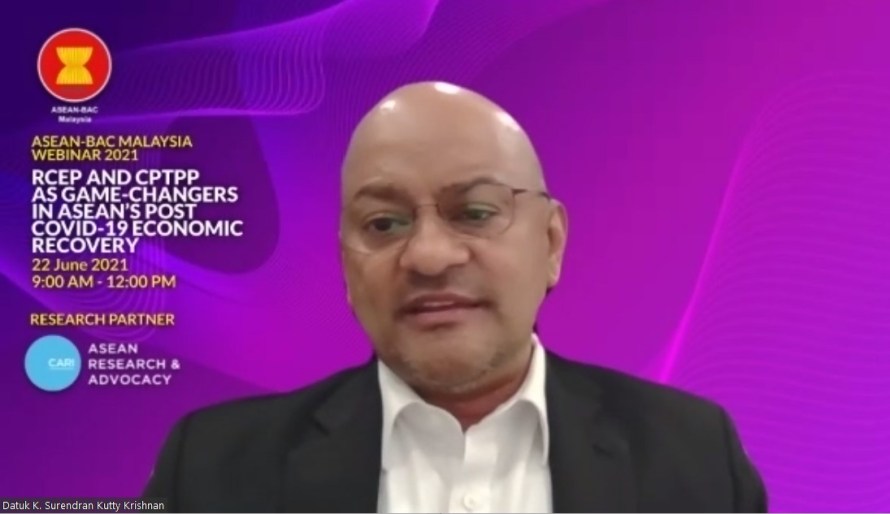
Malaysia-India Business Council (MIBC) Honorary Secretary Datuk K. Surendran Kutty Krishnan, opined that bold economic reforms were needed to entice new investors since other markets in the region are also becoming increasingly competitive. He also noted that the RCEP and CPTPP were only two of the 16 free trade agreements that Malaysia has signed but has yet to ratify and enforce.
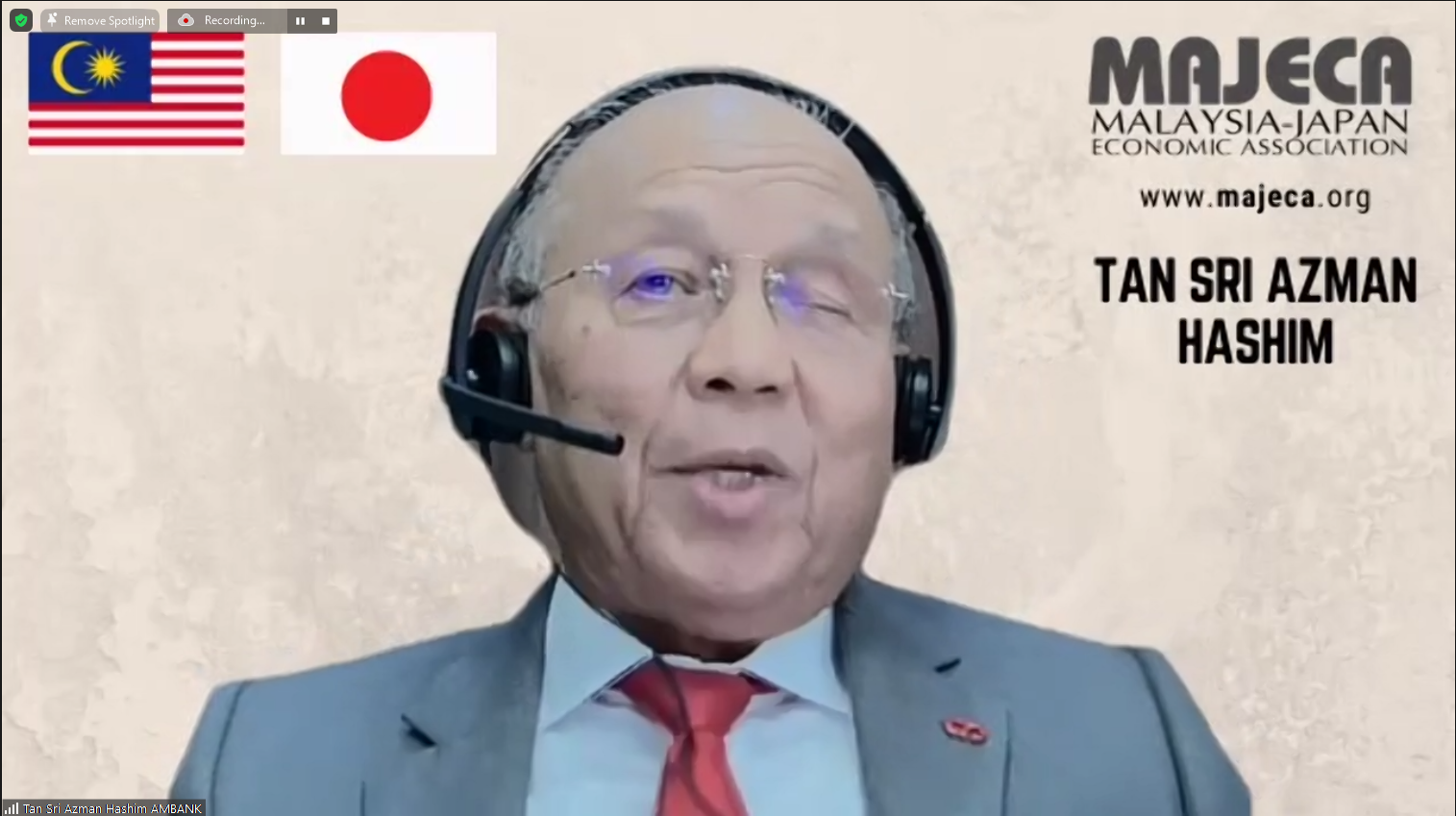
While Malaysia and Japan have had a bilateral free trade agreement for over a decade, the Malaysia-Japan Economic Association (MAJECA) nevertheless urges the government to proceed with the ratification of the RCEP and CPTPP without further delay, as they could serve as a conduit for an even wider range of collaborations and trade flows between the two countries, according to MAJECA vice president Datuk Seri Mohamed Iqbal.
3. Regulatory frameworks should be harmonized to complete free trade agreements
The RCEP is the world’s largest trading bloc with 15 member countries representing around 30 percent of global GDP, while the CPTPP is a free trade agreement among 11 countries representing approximately 13.5 percent of global GDP.
Malaysian Organisation of Pharmaceutical Industries (MOPI) president, Billy Urudra remarked that once ratified, the prices of generic drugs are expected to drop due to increased competition. In highly regulated industries such as the pharmaceutical industry, it is imperative that the FTAs are accompanied by a harmonized regulatory framework for the FTAs to be meaningful.
As for avenues for dispute resolution, LAWASIA and Bar Council Malaysia past president, Christopher Leong believes that the Investor-State Dispute Settlement provisions in the CPTPP provides for the well-developed and recognised dispute resolution mechanism by way of international arbitration. According to him, the mechanism is transparent and open to development, and as such should not be a reason for a country to not ratify the agreement.
APPENDICES
Printed Materials (click below)
- RCEP & CPTPP Projections and Opportunities 2021 Report
- Memorandum of Support
- Event Slides
- Press Release
Recordings (click below)
- YBhg. Datuk Seri Hasnol Zam Zam Ahmad opening address
- RCEP Panel Discussion
- CPTPP Panel Discussion
- Memorandum of Support
News Coverage (click below)
- Astro Awani
- BERNAMA (1)
- BERNAMA (2)
- BERNAMA (3)
- Berita Harian (1)
- Berita Harian (2)
- DagangNews
- New Straits Times (1)
- New Straits Times (2)
- New Straits Times (3)
- The Star
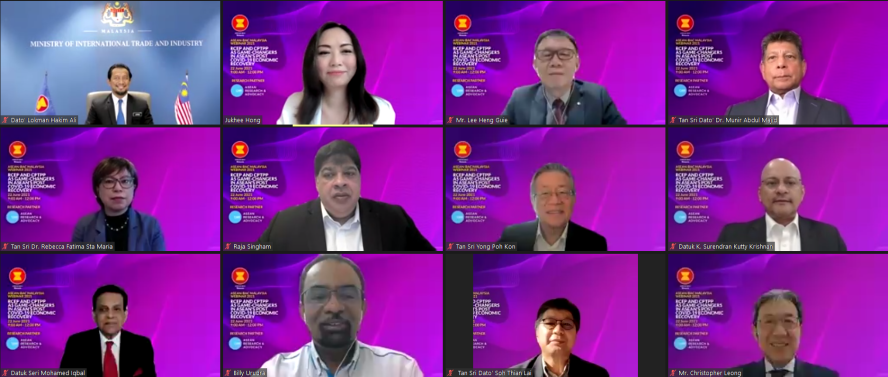
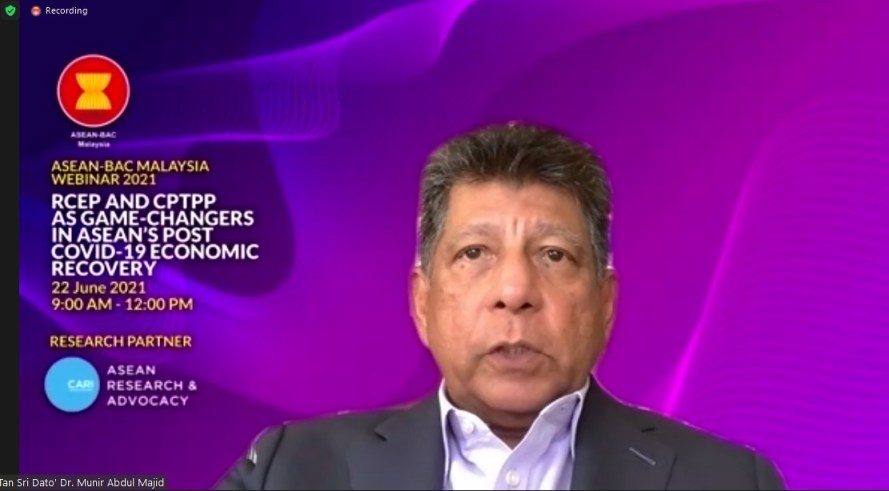
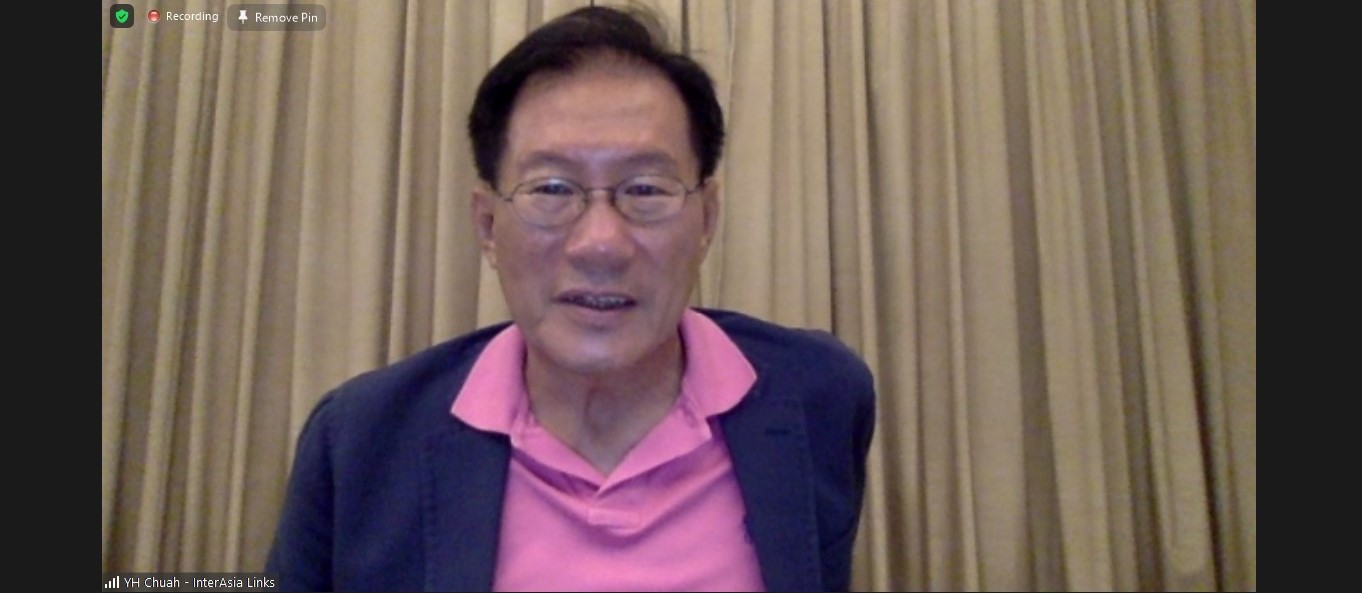
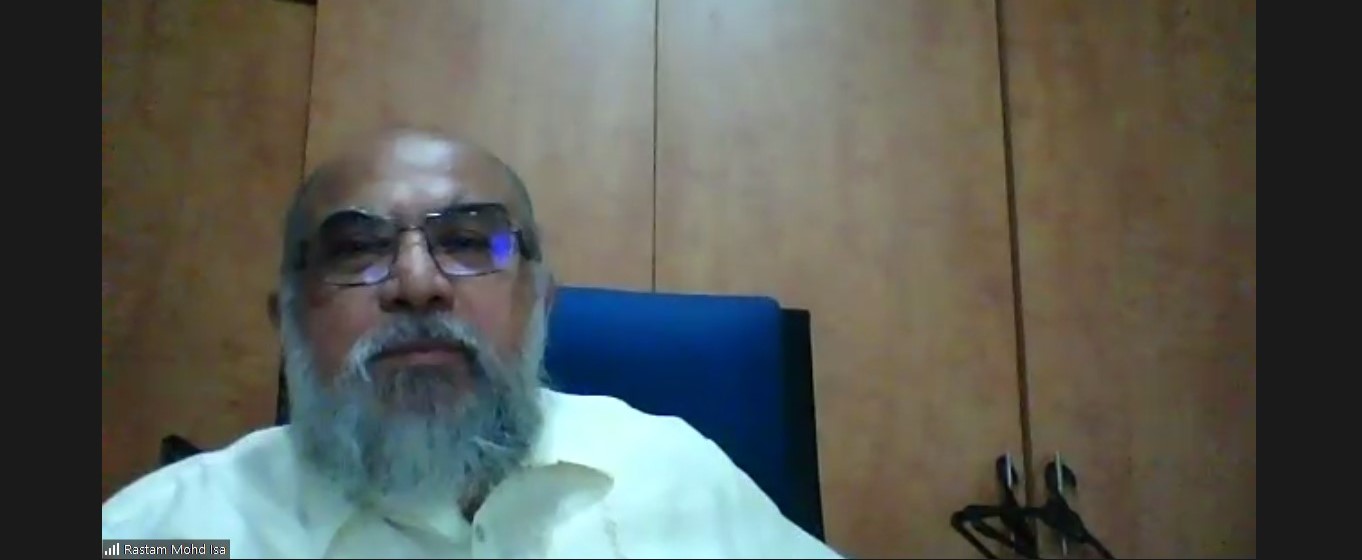
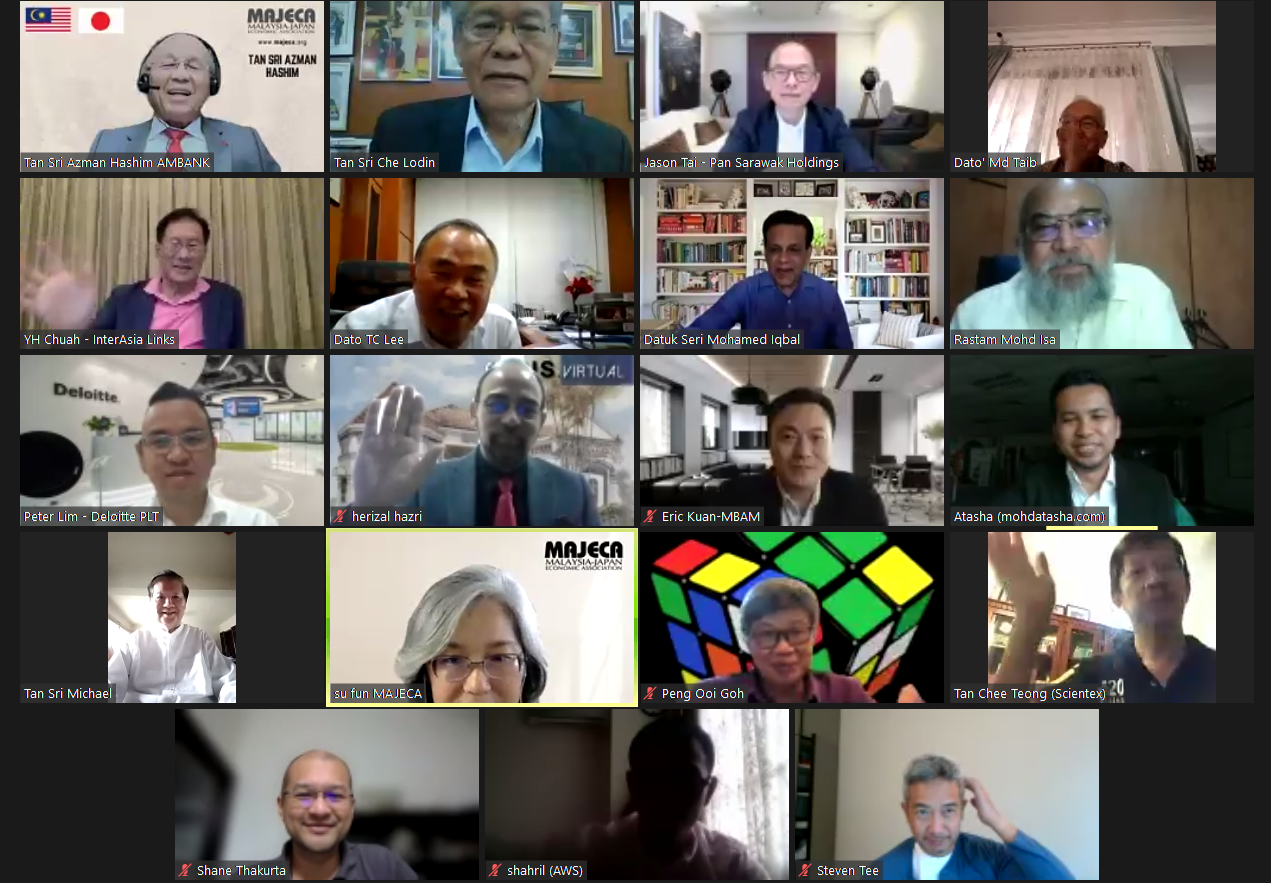
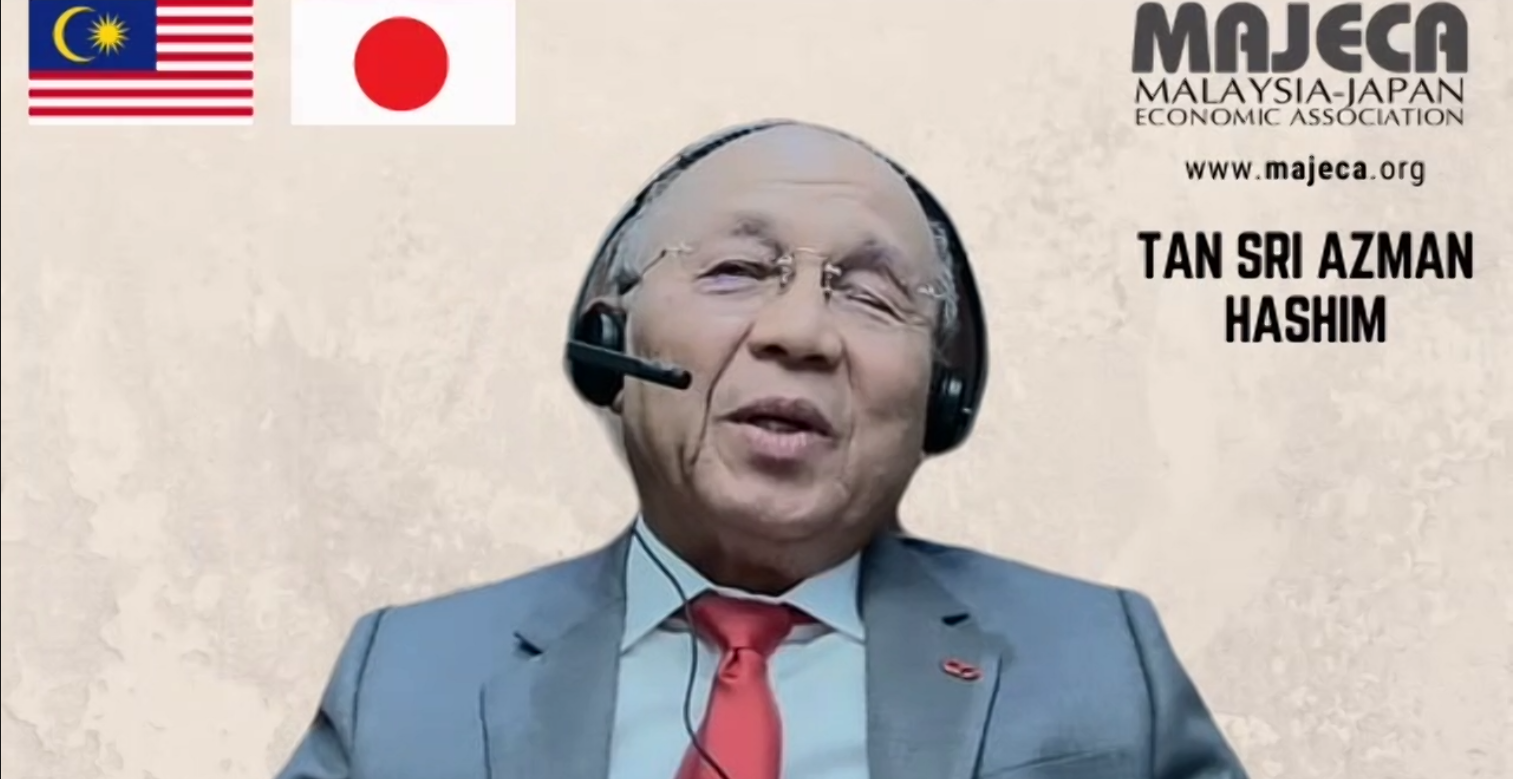
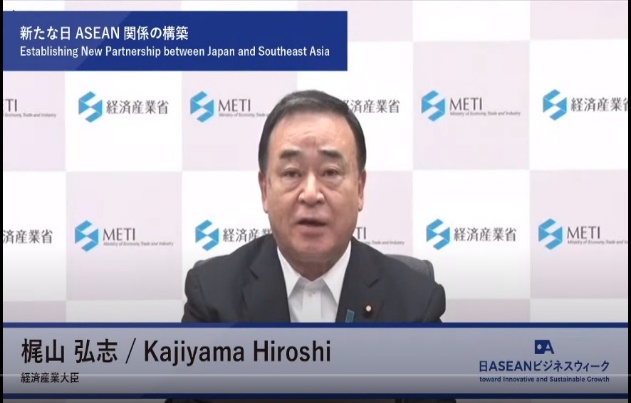
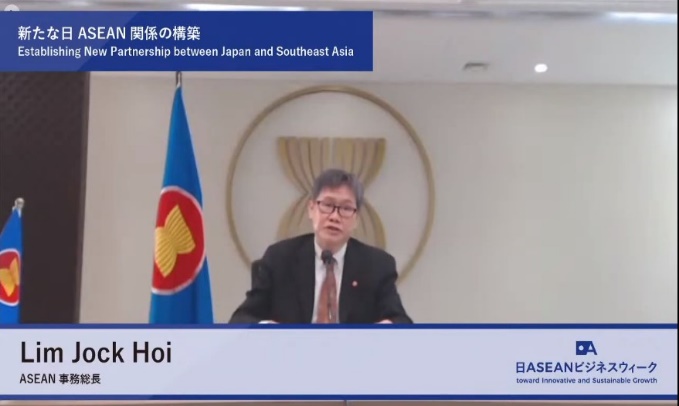
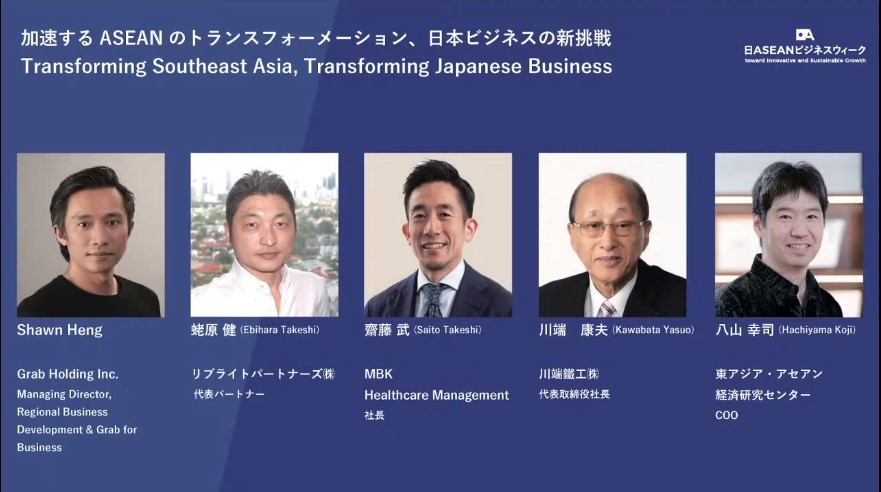
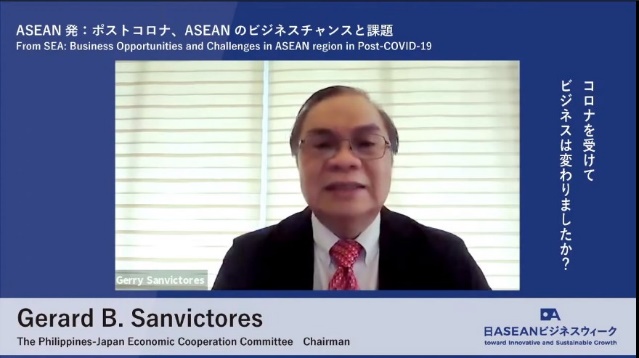
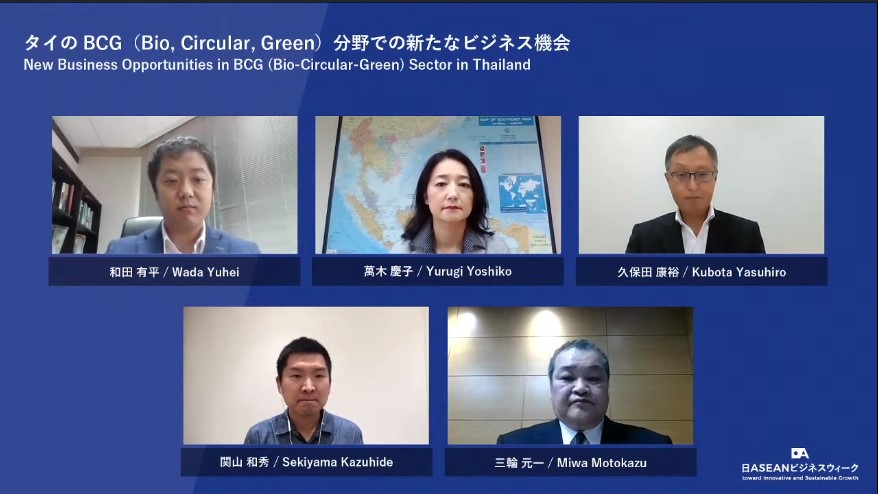
Below are some photos taken by the MAJECA Secretariat during the webinar:








 MAJECA